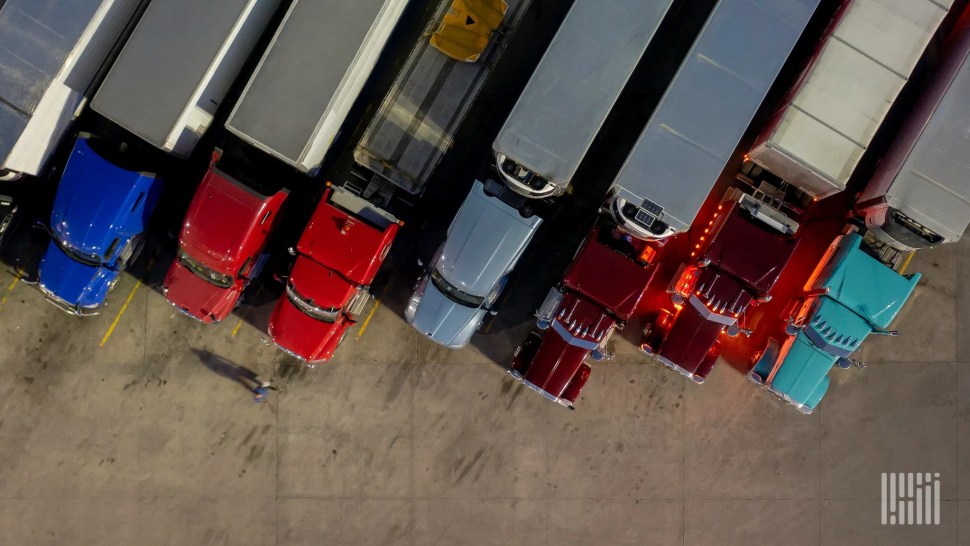

Trade between the U.S. and Mexico continues to surge, fueled in large part by nearshoring trends and tighter regional supply chains. In May, U.S.-Mexico trade volumes reached an impressive $74 billion, according to the latest data from the U.S. Census Bureau. That figure marks a 2.64% increase from the same time last year, with key growth areas in automotive parts, computers, agricultural products, and electronics.
Laredo, Texas, once again stood out as the busiest international gateway for trade, processing over $27.6 billion in total imports and exports. Much of that movement was truck-based, with the port recording nearly 300,000 commercial crossings in May alone. This sustained growth signals continued opportunity, but looming trade tensions could complicate the road ahead.
The Trump Administration recently announced a proposal to reinstate broad tariffs on Mexican imports if re-elected, calling for a 30% tariff on all goods coming from Mexico. Tariffs at this scale would likely introduce volatility into what has recently been one of the most stable growth areas for freight.
A fresh ruling by the U.S. Commerce Department in late June reinstated a 17.56% tariff on Mexican fresh tomatoes, a staple in U.S. grocery imports. Produce industry experts warn that prices could jump 30% or more in the coming months, especially as buyers seek alternative sources. Any cost shift like this could ripple across reefer capacity and affect seasonal planning for brokers that move perishable goods.
Despite this uncertainty, nearshoring remains a long-term force reshaping North American freight. As more companies relocate manufacturing from Asia to Mexico, cross-border freight continues to solidify its importance. But the prospect of sweeping tariffs injects a new layer of unpredictability that supply chains must be prepared for.
With U.S.-Mexico trade showing no signs of slowing, watching regulatory developments while reinforcing their relationships on both sides of the border will become paramount.
Get the full edition of the newsletter in your inbox every Tuesday
Brokerage Compliance Symposium
The day before F3. Every compliance issue you face - fraud exposure, carrier liability, FMCSA rules, cargo theft, insurance gaps - navigated by attorneys and operators defining best practices in a changing industry.
F3 Awards Dinner
The night before F3. FreightTech100 companies honored. FreightTech 25 and Shipper of Choice winners revealed live. Cocktail reception into dinner and live music - 300 industry leaders in one purpose-built room.
F3: Future of Freight Festival
Industry-defining keynotes, rapid-fire technology demos, and industry leaders networking in experiences across Chattanooga - plus the inaugural F3 Awards Dinner featuring the FreightTech and Shipper of Choice reveals.
The day before F3. Every compliance issue you face - fraud exposure, carrier liability, FMCSA rules, cargo theft, insurance gaps - navigated by attorneys and operators defining best practices in a changing industry.
The Signal at Chattanooga Choo Choo • Chattanooga, TN Register NowThe night before F3. FreightTech100 companies honored. FreightTech 25 and Shipper of Choice winners revealed live. Cocktail reception into dinner and live music - 300 industry leaders in one purpose-built room.
The Signal at Chattanooga Choo Choo • Chattanooga, TN Register NowIndustry-defining keynotes, rapid-fire technology demos, and industry leaders networking in experiences across Chattanooga - plus the inaugural F3 Awards Dinner featuring the FreightTech and Shipper of Choice reveals.
The Signal at Chattanooga Choo Choo • Chattanooga, TN Register Now