




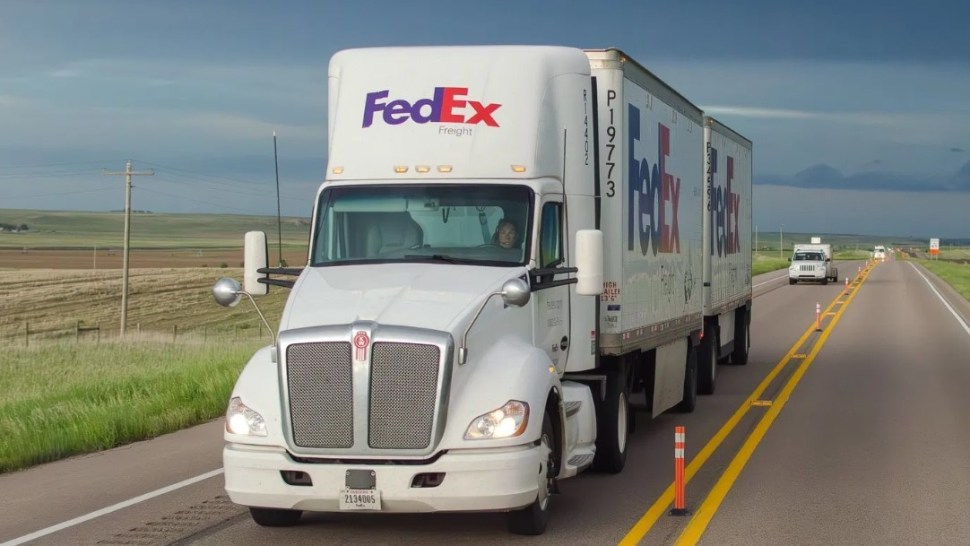
The nation’s largest less-than-truckload carrier, FedEx Freight, is delaying enforcement of a new set of freight classification rules until Dec. 1.
The National Motor Freight Traffic Association (NMFTA), a nonprofit trade group, rolled out final updates to its decades-old freight classification ratings on Saturday. The revisions are moving the industry toward a density-based coding system that is expected to more accurately align actual carrier costs with pricing.
For months, the NMFTA, carriers and 3PLs have been working to help shippers prepare for the changes to the 90-year-old National Motor Freight Classification (NMFC) system. The advice to shippers has been: “know your freight.”
Shippers are now tasked with better understanding the full dimensions of their shipments, not just the weights. The more information provided upfront, the more accurate shipment pricing is likely to be, experts say.
However, FedEx Freight (NYSE: FDX) said it is giving its customers “more time to adjust.”
“Since several commodities are moving to density-based classification, it’s more important than ever for shippers to accurately record shipments’ density, weight, and dimensions. If you ship these types of commodities, the density will determine the classification,” a statement on the company’s website said.
The carrier also cautioned that future charges may apply for incomplete details on a bill of lading.
“Once the changes are fully adopted, FedEx Freight may apply an inspection surcharge (Item 980, Item 981) for shipments with incomplete or inaccurate information listed on the BOL.”
The company, however, is encouraging customers to start using the updated class rules now.
“We have delayed enforcement to help our customers adapt and ensure a smooth transition to the new, streamlined NMFC classes,” a spokesperson with FedEx told FreightWaves. “Customers who want to begin using the new classes now are welcome and encouraged to do so; there is no requirement to wait until December 1.”
Brokerage Compliance Symposium
The day before F3. Every compliance issue you face - fraud exposure, carrier liability, FMCSA rules, cargo theft, insurance gaps - navigated by attorneys and operators defining best practices in a changing industry.
F3 Awards Dinner
The night before F3. FreightTech100 companies honored. FreightTech 25 and Shipper of Choice winners revealed live. Cocktail reception into dinner and live music - 300 industry leaders in one purpose-built room.
F3: Future of Freight Festival
Industry-defining keynotes, rapid-fire technology demos, and industry leaders networking in experiences across Chattanooga - plus the inaugural F3 Awards Dinner featuring the FreightTech and Shipper of Choice reveals.
The day before F3. Every compliance issue you face - fraud exposure, carrier liability, FMCSA rules, cargo theft, insurance gaps - navigated by attorneys and operators defining best practices in a changing industry.
The Signal at Chattanooga Choo Choo • Chattanooga, TN Register NowThe night before F3. FreightTech100 companies honored. FreightTech 25 and Shipper of Choice winners revealed live. Cocktail reception into dinner and live music - 300 industry leaders in one purpose-built room.
The Signal at Chattanooga Choo Choo • Chattanooga, TN Register NowIndustry-defining keynotes, rapid-fire technology demos, and industry leaders networking in experiences across Chattanooga - plus the inaugural F3 Awards Dinner featuring the FreightTech and Shipper of Choice reveals.
The Signal at Chattanooga Choo Choo • Chattanooga, TN Register Now