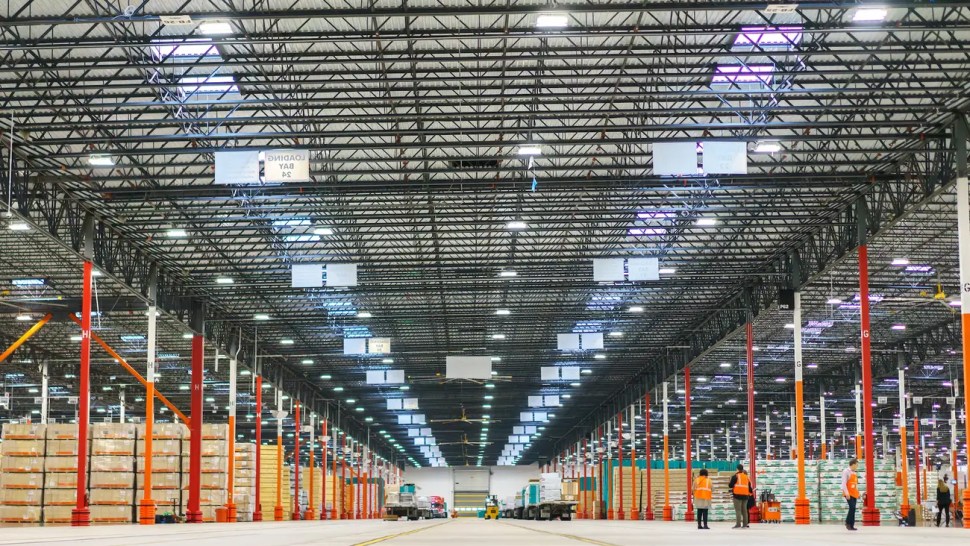
A $1 million shipment of LEGO sets was recovered this week in California, and on the surface it looks like a win. Arrests were made, freight was found, and it feels like the system worked. But the reality is different. That freight was only recovered because someone noticed suspicious activity and made a call. It was not stopped by a system and it was not caught through a verification step. By the time law enforcement got involved, the load was already in motion and close to disappearing. That is the part that should stand out.
Cargo theft is no longer starting with clear warning signs. It is happening inside normal operations where everything appears to check out. The carrier looks legitimate, the rate confirmation is signed, and the pickup is scheduled without issue. Nothing raises concern early because the process allows it to move forward. Control shifts in the gap between what looks right and what has actually been confirmed, and that gap is where most of the risk now sits.
This same pattern is showing up across multiple incidents right now. In Texas, nearly $470,000 in stolen vehicles were moving through standard freight channels before being stopped. In another case last week, more than 400,000 units of consumer goods were taken during transit with no signs of forced entry. These events are connected by how they start and how they move. The issue is not at pickup locations. It begins when responsibility changes hands and no one confirms who is actually in control.
Once the wrong party takes over, the shipment continues like any other load. Pickup happens on time, transit updates come through, and nothing appears out of place. By the time a problem is noticed, the freight has already moved too far to easily recover. At that point, it becomes a timing issue. The first day or two matters most, and after that the chances of recovery drop as the load moves farther away.
Recovered freight can give the wrong impression. It suggests the process is working, when in reality it shows how dependent outcomes still are on chance. If that call in California does not happen, that shipment is gone. The larger issue is that these moves are still passing through standard workflows without being challenged.
The industry has built around trust in what looks correct instead of confirming what is true. That is where organized groups operate. The answer is not adding more steps for the sake of it. It is putting control at the right points. Verification during pickup, checks during transit, and confirmation at delivery. Each step needs to confirm who is involved, not just accept the information provided.
Once control is lost, the rest is just movement, and by then the outcome is already set.
Click here for more articles on cargo theft and freight fraud by Phillip Brink.
Brokerage Compliance Symposium
The day before F3. Every compliance issue you face - fraud exposure, carrier liability, FMCSA rules, cargo theft, insurance gaps - navigated by attorneys and operators defining best practices in a changing industry.
F3 Awards Dinner
The night before F3. FreightTech100 companies honored. FreightTech 25 and Shipper of Choice winners revealed live. Cocktail reception into dinner and live music - 300 industry leaders in one purpose-built room.
F3: Future of Freight Festival
Industry-defining keynotes, rapid-fire technology demos, and industry leaders networking in experiences across Chattanooga - plus the inaugural F3 Awards Dinner featuring the FreightTech and Shipper of Choice reveals.
The day before F3. Every compliance issue you face - fraud exposure, carrier liability, FMCSA rules, cargo theft, insurance gaps - navigated by attorneys and operators defining best practices in a changing industry.
The Signal at Chattanooga Choo Choo • Chattanooga, TN Register NowThe night before F3. FreightTech100 companies honored. FreightTech 25 and Shipper of Choice winners revealed live. Cocktail reception into dinner and live music - 300 industry leaders in one purpose-built room.
The Signal at Chattanooga Choo Choo • Chattanooga, TN Register NowIndustry-defining keynotes, rapid-fire technology demos, and industry leaders networking in experiences across Chattanooga - plus the inaugural F3 Awards Dinner featuring the FreightTech and Shipper of Choice reveals.
The Signal at Chattanooga Choo Choo • Chattanooga, TN Register Now