SMC³ aims to further simplify LTL freight with technology enhancements
SMC³ has fully embraced the FreightTech age and plans to continue innovating its LTL pricing and bidding tools in 2022.


“Our company vision is: ‘To create the ultimate freight shipping experience by operating at the optimal intersection of people and tech.’ This is our first step towards making that vision a reality for our customers,” says the founder and CEO of Ally Logistics.
When shippers are using several cobbled-together solutions with hit-or-miss integrations, they miss out on opportunities to optimize their business practices and workflows.
“Amazon Web Services makes it easy to host web applications for scalable solutions. We are looking to do the same thing for supply chain software by breaking down the data barriers that stop anyone from building the tools they need to offer better services.”
The two companies are joining forces to provide a tech-powered, eco-friendly alternative to a wasteful supply chain.
CalAmp’s new temperature sensor operates under extreme conditions for enhanced cold chain visibility.
Earlier this month, RoadSync announced it has partnered with the truck stop and service center network AMBEST to help get trucks serviced and back on the road faster.
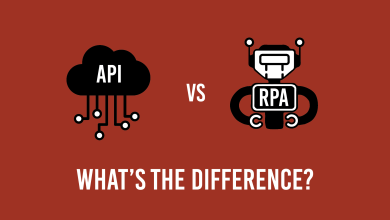
One works inside your system while the other works as an outside guest user.
“The first step to optimizing your capacity is to start with your network. … Step two is optimizing across multiple networks.”
This integration will allow McLeod customers to leverage Maven’s driver workflow solutions.
In an environment as hands-on as trucking, bridging the gap between the digital and physical worlds can prove challenging.
The Home Depot, a current customer of Loadsmart, was happy to see the brokerage continue its commitment to bring freight optimization to its supply chain.
The connection of these two platforms will empower Redwood customers with the ability to quote and book shipments in seconds, with reliable capacity.
“The longer it takes for us to communicate to each other … the longer the end customer, who we are all focused on at the end of the day, has to wait for information.”
A TMS catering to everyone is simply landing somewhere in the middle, and very likely a better solution exists for any of those given parties.
While EDI is a standardized way of data transfer, API provides flexibility and allows companies to customize and call the data sets that they want whenever they want.
API use continues to grow within businesses, and XPO is leveraging the potential to streamline XPO Connect and improve the overall customer experience.
The combination of artificial intelligence and machine learning are allowing XPO’s brokerage operation to offer more visibility into pricing, capacity and tracking.
API, or application programming interface, may soon become a common three-letter word in the air cargo space by making the booking experience similar to shopping on Amazon.
API, EDI platforms can work together. Singles Day parcel tsunami; Oh, those last 50 feet!