Tender rejections moving atypically prior to holiday
Unlike freight demand, the typical things we see play out on the capacity side of the equation prior to a holiday have not (at least to this point).

are pumping across the country, but it seems routing guides have finally shown signs of improvement. Pair the declining electronic tenders with declining tender rejections, fewer spot volumes, and both contract and spot rates headed lower, the picture of an improving environment can be visualized.
There may not be an end in sight for the driver shortage, but holistic supply chain solutions are well-positioned to help shippers and carriers alike weather the storm.
Freight demand is not going to abate in the next few months, and there will not be any meaningful addition to fleet capacity in the meantime.
This white paper explores the challenges presented by the RFP process.
Consumer spending tapered off this week, but the savings rate is so high, Americans have a war chest unlike in any recent period. And, inventories remain depleted across many segments, so the freight industry won’t feel the direct brunt of any shift back to services anytime soon.
Schneider, a premier provider of trucking, intermodal and logistics services, has expanded its digital marketplace – Schneider FreightPower® – to shippers of all sizes.
Service-based spending categories like airlines, lodging and restaurants all were positively impacted by the stimulus, but the top 5 biggest growth segments came in goods. With the roaring consumer economy, blossoming industrial recovery, white-hot housing market and historically depleted inventories, there’s very little outside of severe inflation that could derail this trucking market.
TriumphPay is acquiring HubTran to integrate machine-learning capabilities for a fully integrated payments network for its customers.
The stimulus is providing a huge boost to Americans, who by and large, still remain unable to spend on big-ticket services like concerts, sporting events or amusement parks. The recent stimulus has created the strongest spending gains in furniture, online electronics and clothing.
If you look at the weekly Outbound Tender Volume Index (OTVI) map, you might think freight markets have reversed course and are retreating significantly. But this line of thinking is misguided. Tender volumes are coming down, but off an unnaturally high base. Volumes in most major markets remain above pre-storm levels.
The freight markets have reentered “chaos is business as usual” territory. All the major indices have been eerily calm since the winter storm disruption. Yearly comps are becoming more difficult given the panic buying that shot volumes and rejections up this time last year. Don’t let the weakening comps distract you, this market can’t get much better.
There are many variables converging that will keep upward pressure on spot rates and tender rejections for the coming weeks. Carriers will be able to squeeze extra cents per mile over the next couple of weeks. Assets will come back online sooner rather than later, but volumes are beginning to pick up both seasonally and due to a whipsaw effect from the storm.
We believe the winter storms tip the scales in carriers’ favor ever so slightly. Freight markets were already imbalanced with seemingly insatiable demand overwhelming already strained carriers, and it’s only February.
“We rely on our drivers to tell us when the roads are not safe.” One carrier lets its drivers use common sense when deciding whether to proceed through winter storms.
Without much volatility in volumes and rejections over the past three weeks, freight markets have seemingly found their groove. The tune is akin to Berlin techno. To some, its pace is smooth and machine like. To others, its pure chaos.
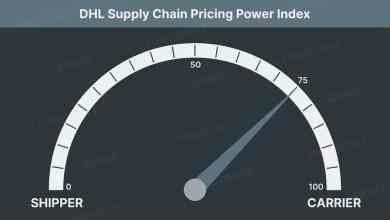
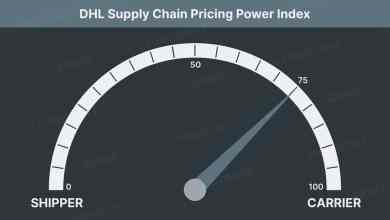
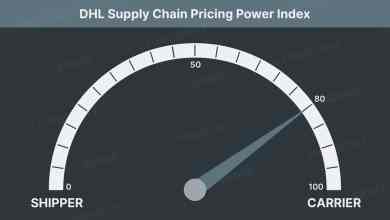
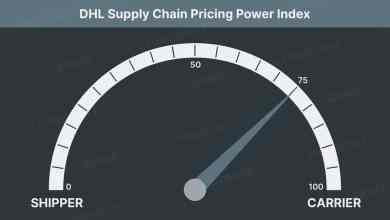
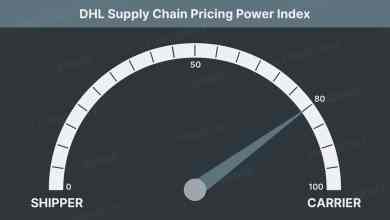
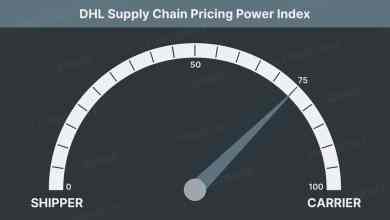
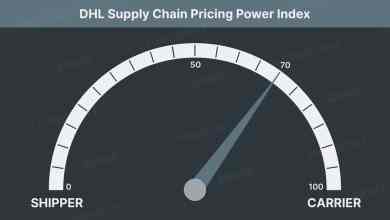
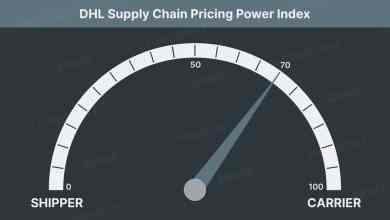
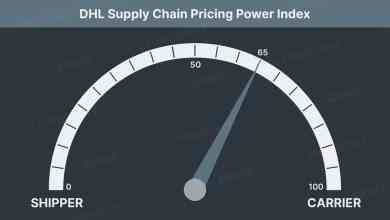
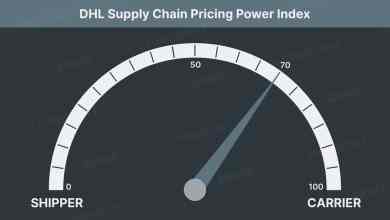
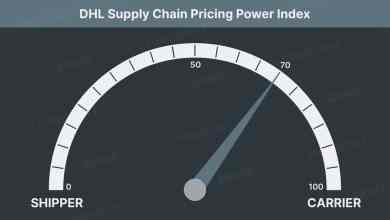
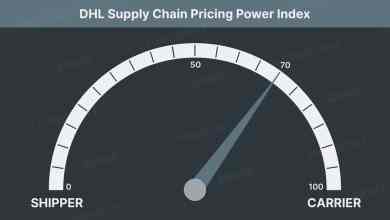
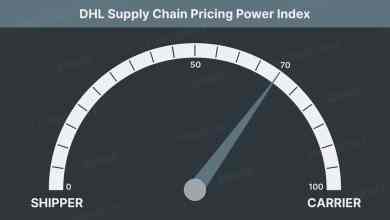
This week’s DHL Supply Chain Pricing Power Index: 70 (Carriers) Last week’s DHL Supply Chain Pricing Power Index: 65 (Carriers) Three-month DHL Supply Chain Pricing Power Index Outlook: 75 (Carriers) The DHL Supply Chain Pricing Power Index uses the analytics and data in FreightWaves SONAR to analyze the market and estimate the negotiating power for […]
We may be seeing signs of a traditional January lull, but at a much higher level than years past. On a rejection-adjusted basis, tender volumes are running up 23% yoy versus 20% last week. Tender rejections continue to decline modestly, but carriers are still rejecting more than 1-in-5 contracted tenders. Stimulus can only carry the freight markets so long. Fortunately, the industrial economy is revving up and retailers have significant restocking ahead.
The Outbound Tender Reject Index has declined substantially since the beginning of the year. This shouldn’t be seen as a sign of a material capacity loosening, rather an effect of the ongoing rebid season pushing contract rates higher.
The stage is set for a historically strong Q1 for freight with a slow vaccine rollout keeping a lid on services spending, and consumers are flush with recent stimulus as well as the hopes for more to come. The freight bull market rages on to start 2021.