“Hope is not a strategy” –‘the pulse of truckload’ at TCA
Panelists discussed current market data and how the TCA educates its members to operationalize data in their businesses.
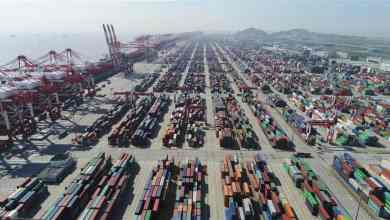
Down, down, down – freight rates are down, nearly across the board, on export and import routes to and from China, according to indices published by the Shanghai Shipping Exchange.
Marseille, France-based maritime container shipping giant CMA CGM generated record revenues of over USD$23 billion but suffered a huge 91 percent slump in profitability after the group experienced several massive cost increases.
Wharfies are eyeing strikes at DP World Australia in pursuit of better terms and conditions in their next collective employment contract. Asian maritime shipping schedules and landside Australian logistics timetables could be thrown into disarray.
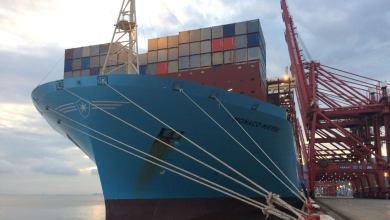
Container shipping line Maersk will move 16 containers on river Ganges (National Waterway-1) from Varanasi to Kolkata in India on February 12, marking the entry of commercial shipping players in India’s nascent inland water transport network.
Capacity constraints, strong demand, and chaotic tariff-related traffic pushed transpacific containers rates to new heights, but the current inbound container surge, unrelated to consumer demand, will create a steeper drop off in Q1 2019.
West Coast ports post strongest volumes ever; Norfolk Southern is moving to Atlanta; flatbed tender rejections stay down; expect electric trucks in 2020; pregnant XPO Logistics warehouse workers suffer miscarriages; E2open buys Inttra; Iraq produces more oil but can’t rebuild.
SONAR’s signature index has a birthday; Ocean Network Express to lose $600M; oilfield service companies guide for tight margins in Q3; President Trump bails on coal industry incentives; pros and cons of blockchain in container shipping; spending 60,000 hours reverse-engineering a Tesla Model 3.
Oil Major Shell has announced upcoming availability its newly developed Very Low Sulphur Fuel Oil (VLSFO) ahead of the IMO 2020 – 0.50% global sulphur limit for marine fuels. FreightWaves has the charts.
UN trade and development body UNCTAD has outlined seven key challenges to maintain a positive momentum for the freight markets in global trade.
UNCTAD expects volumes across all maritime segments to grow in 2018. However, it warns that trade wars can disrupt the global trading system and there is a need to assess the implications of vertical integration within the industry, addressing any potential negative effects.
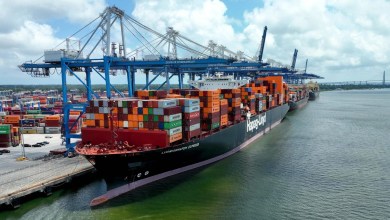
US East Coast ports such as Charleston are seeing double-digit growth.
State-backed Asian container lines have plans to rapidly expand their capacity; meanwhile Maersk cuts its guidance for 2018 by nearly a billion dollars in EBITDA.
Donald Broughton says that the oil boom and Trump tax cuts are driving a young industrial expansion cycle; shippers continue to adjust supply chains to minimize transport costs; Google invests $550M in Chinese e-commerce site JD.com; China may put a tariff on US oil imports; Brazil’s trucker strike shattered economic growth outlooks; Asia-North America container rates are softening.
Mexico, Canada, and the EU announce retaliatory tariffs; Dow Transports still above 200 day average; the US asks OPEC for a production hike; DHL remains largest air freight forwarder; containership loses 86 boxes in storm off Australia; how China beats US steel tariffs.
Fleet idle capacity is at 1% and rates to both US coasts are climbing week-over-week, but wait for the summer peak season for large container box rate increases.
Trucking contract rate increases tamp down volatility; Nikola Motor Company returns deposits on truck orders; Hunter Harrison was one of the highest paid CEOs in 2017; Xi Jinping takes the stage to defend Chinese trade practices; container lines enter bid season with a weak hand.
Container traffic into the Port of Seattle is down 22.6% YTD, starving the city of freight. Trucking spot rates have cratered, and turndowns have dropped 75% since their peak in October as carriers are forced to accept lower prices.
Geely, owner of Volvo Cars, has acquired a stake in Daimler AG and it has upset AB Volvo, which has decided not to put Volvo Cars’ chief executive up for re-election to its board.
The CEO of Maersk says that in 3-5 years, Maersk will be competing with UPS and FedEx, and recognized as one of their peers. But what’s the strategy?
2018’s unusually late Chinese New Year means that port traffic will normalize and then accelerate for pre-summer shipments at the same time as California’s March harvests, causing a truckload capacity crunch.
Yesterday Maersk Line announced that it joined the New York Shipping Exchange (NYSHEX), a new digital platform offering standardized contracts, locked-in prices, and space security for ocean container shipping.