





Greg Miller
Tuesday, April 25, 2023
Container shipping warning: Green shoots are ‘transitory illusion’
As new container ships flood the market amid weak demand, Drewry expects low freight rates to persist through 2024.
As new container ships flood the market amid weak demand, Drewry expects low freight rates to persist through 2024.

There is growing sentiment that higher trans-Pacific spot rates will not hold and prospects for shipping lines remain weak.

“We are starting to see ocean carriers systematically take geopolitical risk into consideration,” says Xeneta’s Erik Devetak.

Jefferies’ Omar Nokta believes container shipping investors are starting to look toward “the end of the destock and beginning of the restock.”

The Freightos Baltic Index (FBX) is the world’s leading—and most accurate—index of market rates for 40′ containers.

“Simply put, there’s no bigger priority right now than this contract agreement,” says Gene Seroka of the Port of Los Angeles.
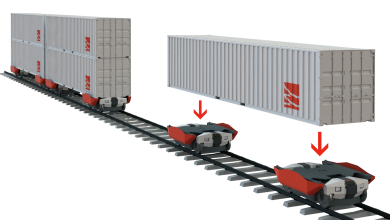
Parallel Systems is proceeding with the next step in its development of autonomous rail vehicles, which is to test having multiple vehicles strung together and see how these vehicles can integrate into the existing freight rail network.

Although import volumes show signs of a nascent recovery, the inventory overhang remains daunting.
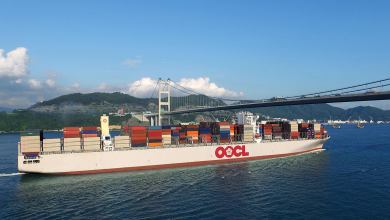
First-quarter numbers from container lines Cosco, OOCL and Evergreen show lingering upside from the tail end of the boom.

After labor unrest closed Los Angeles and Long Beach on Friday, ports on the East and Gulf coasts look even more attractive.

Worsening China-U.S. relations underscore how pivotal geopolitics has become to global shipping and trade.

Transportation Secretary Pete Buttigieg has been lambasted for his performance. Supply chain insiders don’t entirely agree with the criticism.
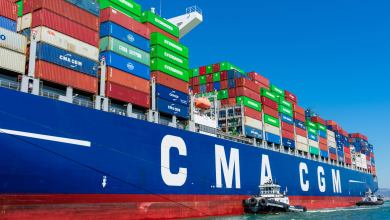
Despite a collapse in freight rates, container shipping is not behaving like an industry facing an imminent crisis.

The Freightos Baltic Index (FBX) is the world’s leading—and most accurate—index of market rates for 40′ containers.
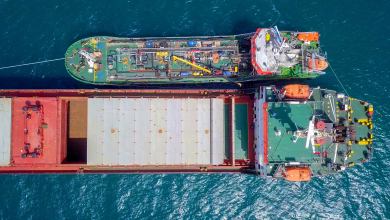
Surging costs after Russia’s invasion of Ukraine could be a taste of things to come as shipping transitions to more expensive “green” fuels.
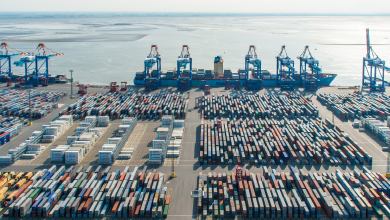
A fifth of U.S. containerized imports come from Europe. Shipping on this route remains much more expensive than it used to be.
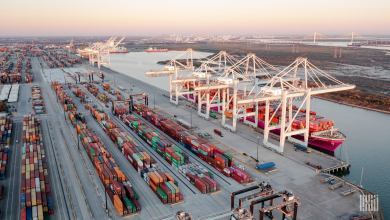
Ports in Houston and New Orleans reported strong cargo container flows during February, boosted by exports of plastics and chemicals.

Flexport projects trans-Pacific contract rates will decline around 70% from 2022 levels but still be around 30% above current spot rates.

U.S. importers have forsaken their traditional gateway in Southern California. Many may be gone for good.

The Freightos Baltic Index (FBX) is the world’s leading—and most accurate—index of market rates for 40′ containers.