




FBX Report: July 17, 2023
The Freightos Baltic Index (FBX) is the world’s leading—and most accurate—index of market rates for 40′ containers.
The Freightos Baltic Index (FBX) is the world’s leading—and most accurate—index of market rates for 40′ containers.
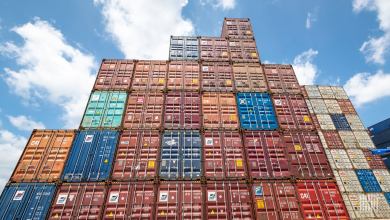
The National Defense Authorization Act amendment is aimed at blocking China’s ability to monitor U.S. container flows.
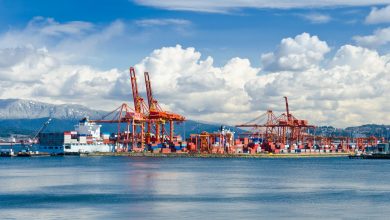
The extended strike in western Canada was beginning to affect U.S. supply chains. Its resolution limits the fallout.
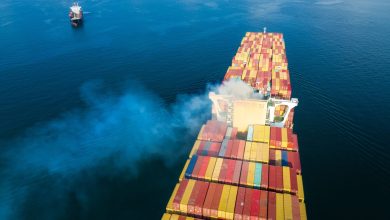
The agreement should keep tanker and bulker orders in check, while increasing the risk of a future carbon tax on container shippers.

Tive’s technology advancements allow customers to see blind spots in air and ocean cargo.
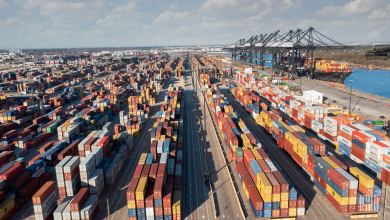
June volumes of containerized imports were higher than normal and the National Retail Federation predicts more gains ahead.
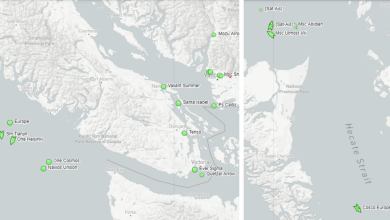
U.S. imports via Canadian ports face rising fallout as the war of words escalates between dockworkers and employers.

This report shares an in-depth overview across the trucking, maritime and intermodal markets.

The Freightos Baltic Index (FBX) is the world’s leading—and most accurate—index of market rates for 40′ containers.
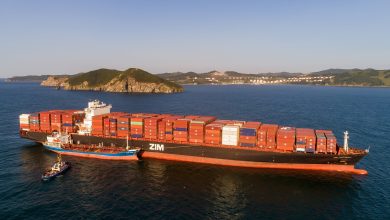
Sluggish demand is capping shipping lines’ income. In response, at least one carrier is reportedly moving to limit losses on legacy charters.
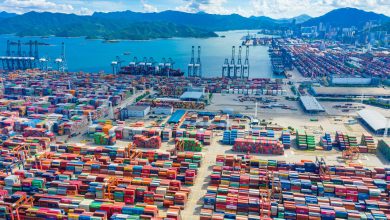
Declining demand for Chinese exports and reduced stimulus options threaten bulk commodity import prospects.
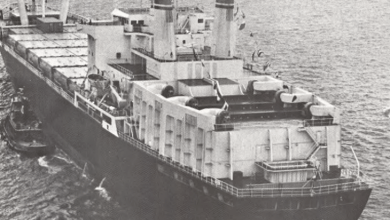
Two ships in 1975 traveled between Mediterranean and U.S. ports on a fixed 14-day schedule. But they also caught attention because they were able to carry different types of cargo, including containers as well as liquids.
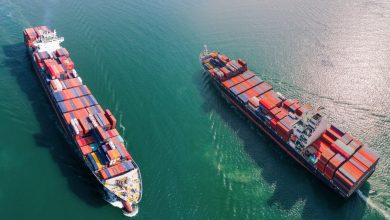
Trans-Pacific spot shipping rates remain under pressure, slumping back again as U.S. import demand comes up short.

The Freightos Baltic Index (FBX) is the world’s leading—and most accurate—index of market rates for 40′ containers.
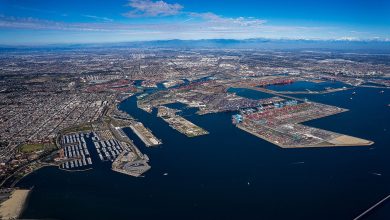
The U.S. supply chain has dodged a bullet. A new dockworker labor deal will keep the peace at West Coast ports.
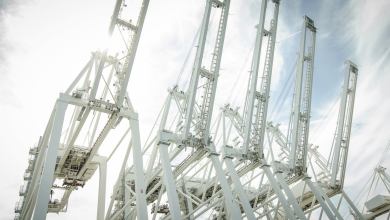
“Patience is wearing thin. Neither side imagined it would take this long,” says the head of the Port of LA on dockworker contract talks.
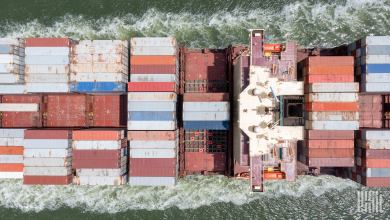
This year’s peak season could see West Coast labor disruptions coincide with Panama Canal water levels impeding cargo flows to the East Coast.
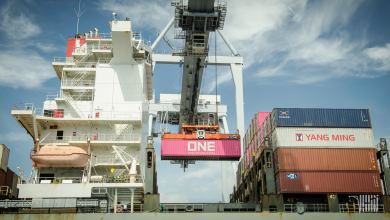
Dockworkers who keep West Coast cargo flowing are highly paid. Their bid for even higher pay is starting to affect the cargo flow.
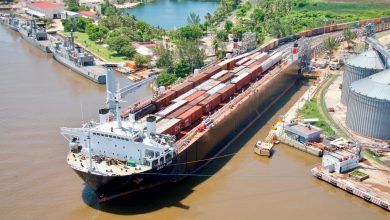
The Mexican government is offering incentives to attract investors to the Isthmus of Tehuantepec global trade hub project.
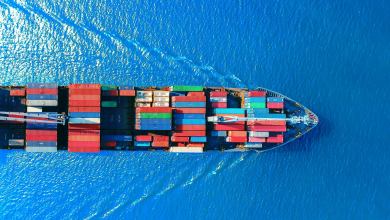
Demand remains tepid, yet shipping lines have pushed spot rates off the bottom and secured contract rates above spot levels.