Shorter RFPs gain ground as market softens
Shorter RFP cycles allow shippers to take advantage of market shifts in the short term, enabling them to maintain rates that are as close to real-time market offerings as possible.
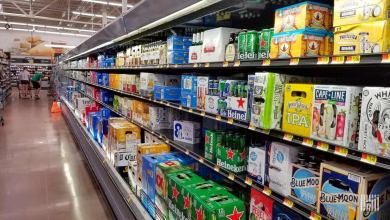

This year, American consumers are expected to spend $7.7 billion – a number that has climbed over $1 billion since 2019 – on food items leading up to the July 4 holiday.
La plataforma de adquisición de mercancías aprovecha SONAR para el análisis del proceso de licitación
“The cost of trucking is dramatically going down and we’re hitting a recession that is not going to get any better. It’s surprising how many shippers are running annual bids when they should be running three-month bid cycles on almost all of their lanes,” said Emerge founder and CEO Andrew Leto.
Partnering with the right carriers can be a complex decision, and making the wrong choice can easily threaten a shipper’s bottom line.
Agility is more important than ever, as pandemic-related headwinds continue to play out and new technologies strengthen competing companies by offering increased flexibility.
Building the most effective RFPs possible requires self-awareness, attention to detail, industry insights and a willingness to adopt new technologies.
Many shippers are now looking to shorten the duration of their bid contracts in order to take advantage of current capacity and avoid being locked into sky-high rates as the market shifts.
As farmers prepare for harvest, shippers should ready themselves for the seasonal rate increases and capacity shortages that accompany fresh fruits and veggies each year.
Consumers are becoming more aware of both the urgency of climate change and the complexities of the supply chain. Companies should be prepared for consumers to start calculating supply chain sustainability into their purchasing decisions.
Focusing on growing Emerge’s capacity, Ramsdell wants to offer Fortune 500 drop-drop freight to small and midsize carriers.
Weather disruptions have always been common across the supply chain. With climate change-induced severe weather conditions on the rise, logistics companies should expect – and plan for – even more challenging conditions in the future.
In order to take advantage of different RFP options, shippers must have access to the data they need to determine which lanes need to be repriced and when. Success requires coupling decision-making with efficient technology.
With experience from J.B. Hunt, Penske Logistics and Transplace, Mark McEntire looks forward to his new role at procurement and logistics platform Emerge.
Shippers may benefit from limiting the number of partners they work with in a loose market, but this exclusionary approach has become a serious — and seriously expensive — problem as capacity has tightened and rates have climbed to record highs.
Shippers are buoyed by the promise of falling rates in the coming months, but this optimistic outlook may put even more strain on rate negotiations in the meantime.
Players in the FreightTech space have continued to thrive despite challenging market conditions. Second-generation FreightTech startup Emerge led the pack in growth and ingenuity throughout 2021.
EDRAY’s global shippers reportedly have seen a 40% increase in drayage productivity, five times less rehandling and 25% less emissions.
After a couple of oddball years, shippers and carriers alike are anxious to see how the market rebalances — or doesn’t — after the new year.
Digital RFPs allow shippers to award bids faster and perform far less manual labor, bolstering their bottom lines and allowing them to repeat the RFP process more often.