




Emily Ricks
Tuesday, June 16, 2020
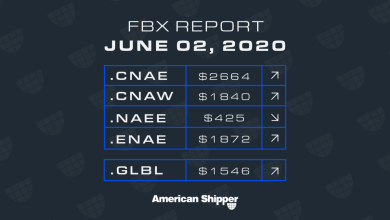
FBX Report: June 15, 2020
Learn more at SONAR.FreightWaves.com
Learn more at SONAR.FreightWaves.com
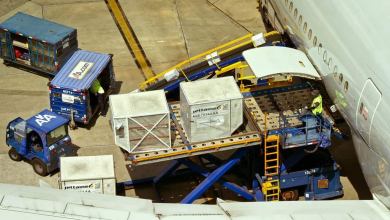
American Airlines Cargo has not slowed implementation of the IBS Software iCargo platform since last October, despite the upheaval from the COVID-19 pandemic.
Learn more at SONAR.FreightWaves.com

Learn more at SONAR.FreightWaves.com.

Here it comes: Ports will soon feel full force of canceled box-ship sailings.
Learn more at SONAR.FreightWaves.com.

No collapse yet for ocean container spot rates. In fact, they’re up.
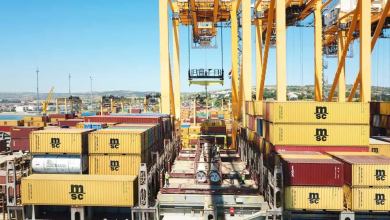
Canceled sailings surge, schedule reliability sinks and import demand evaporates.
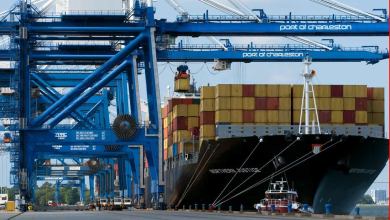
China-to-U.S. box rates are losing steam after last week’s rise.

Companies from all corners of the freight ecosystem are beginning to implement layoffs as an economic downturn starts to take hold.

As fewer ships arrive from China, there’s less capacity and equipment for U.S. and European container exports.
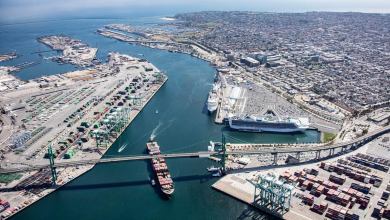
Ocean, intermodal and trucking data are flashing red. Don’t worry — DAT just made a bullish call on spot rates.
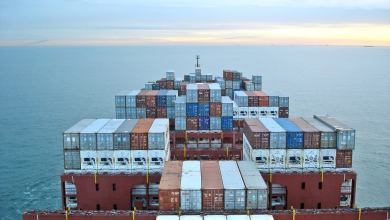
Cost to ship containers from China is down 6-8% but dearth of cargo may limit discounts.

No evidence yet of a rush to expedite exports ahead of feared price increase.
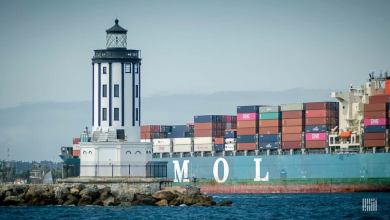
Coronavirus is not yet affecting rates, but it is influencing where U.S. importers look to source cargo.
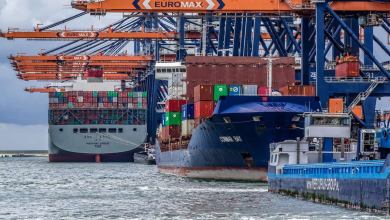
Big one-day drop comes on heels of more restrictions for vessel calls, and concerns about slower demand.

Eight-year-old company working with storied shipping group to make indices available for financial products

Pricing data implies pendulum is swinging even more toward East Coast ports at expense of West Coast.
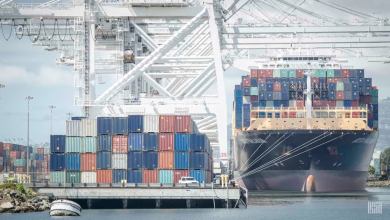
Still too early to confirm coronavirus fallout in trans-Pacific freight pricing data.