




FreightWaves Staff
Tuesday, February 4, 2020
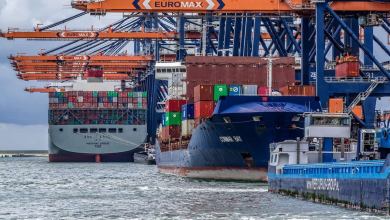
Asia-Europe container rates fall amid coronavirus threat
Big one-day drop comes on heels of more restrictions for vessel calls, and concerns about slower demand.
Big one-day drop comes on heels of more restrictions for vessel calls, and concerns about slower demand.

Eight-year-old company working with storied shipping group to make indices available for financial products

Pricing data implies pendulum is swinging even more toward East Coast ports at expense of West Coast.
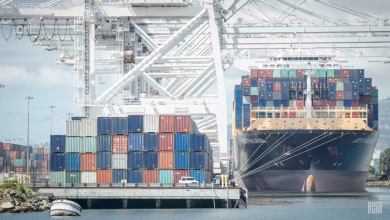
Still too early to confirm coronavirus fallout in trans-Pacific freight pricing data.
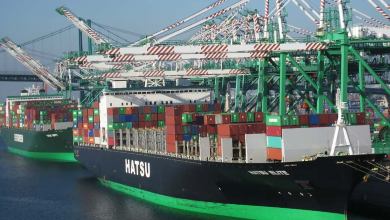
High number of canceled sailings butts up against post-holiday restocking demand in the U.S.
A global container index offers a big-picture perspective on the worldwide supply/demand balance.
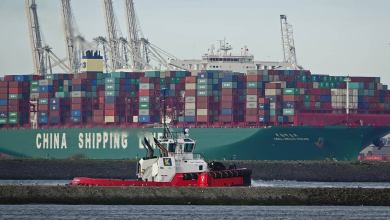
Despite all the mergers and all the alliances, ocean container rates are still lower than they were seven years ago.
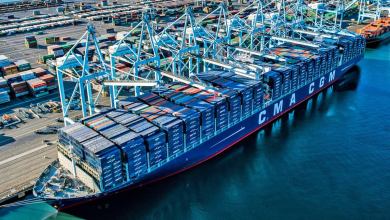
Traditional U.S. import rush prior to Chinese holiday is subdued in 2020.

But an undercover survey finds that traditional forwarders face increased pressure from container lines and digital forwarders.
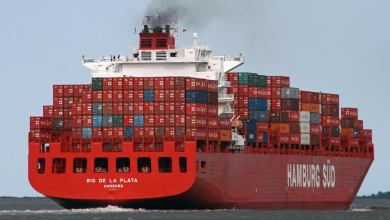
Index data appears to show that IMO 2020 fuel costs are being passed along to box shippers.

Carriers are “jacking up” spot rates to improve their negotiating hands with shippers as they agree pricing for IMO 2020 fuel bills and long-term Asia-Europe contracts.
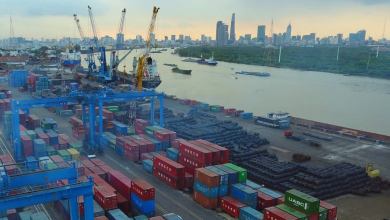
The shift of production from China to southeast Asia is unlikely to stop the trans-Pacific container market from declining this year.

Logging onto an air cargo web site to book space for your shipment is so 2010s. Forwarders and airlines looking for speed and efficiency are plugging directly into each other’s systems to match loads.
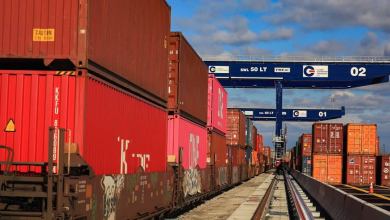
Freight data confirms that container lines are increasing their flows to the U.S. East Coast at the expense of California ports.

Data reveals how container pricing may have suffered collateral damage from the trade war.
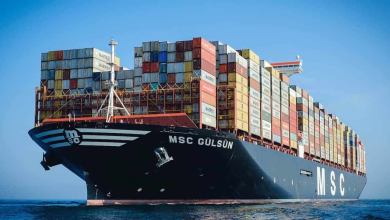
After first half surge, the back-end of November is weakening after the last U.S. freight surge.

Freightos, the world’s largest freight marketplace, sees transparent pricing of international freight benefiting shippers and forwarders alike.

China-to-California box rates are up 16% from October lows, but are still down 43% year-on-year.

The maritime sector, which is undergoing profound changes, will be spotlighted at the upcoming FreightWaves LIVE event.

With spot container freight rates continuing to tumble, carriers are forecast to withdraw more capacity ahead of annual contract negotiations with shippers.