




Greg Miller
Thursday, December 26, 2019
Ominous IMO 2020 signs for ocean shipping spot rates
Concerns rise that shipping can’t recoup cost of IMO 2020-compliant fuel.
Concerns rise that shipping can’t recoup cost of IMO 2020-compliant fuel.

An exclusive interview with Lois Zabrocky, CEO of tanker owner International Seaways.
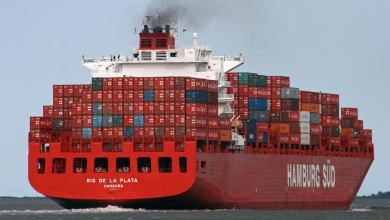
Index data appears to show that IMO 2020 fuel costs are being passed along to box shippers.
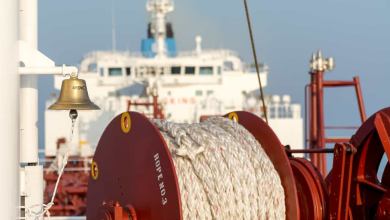
Ardmore Shipping execs predict the initial IMO 2020 phase will favor more expensive 0.1% MGO.
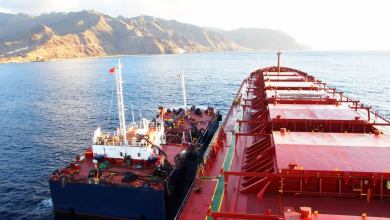
New freight indices provide visibility on potential earnings premiums of scrubber-equipped vessels.
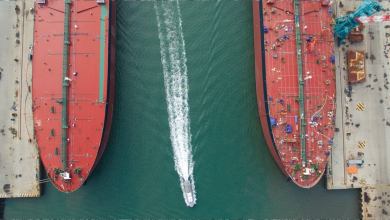
Floating storage, scrubbers delays and newbuilding unease should continue to squeeze crude-tanker capacity.

Headlines may proclaim “$300,000 per day” but most crude tankers are not making anything close to that.

If oil prices are going to start moving in reaction to IMO 2020, the last two weeks may have been the time with the first signs of that occurring. There were enough movements in the market – except for the overall outright price – that could at least lead market observers to speculate that something […]
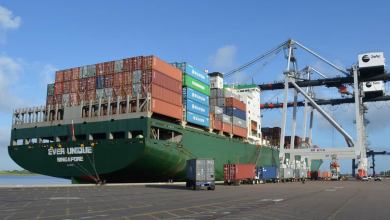
From Oct. 1 new low-sulfur fuel charges are being levied by some container lines with more to follow through Q4. Use of the fuels is not mandatory until January 1, 2020.

According to an MSI analyst, a key mainline container trade hardly bumped this summer – and the forward outlook for carriers is less than upbeat.
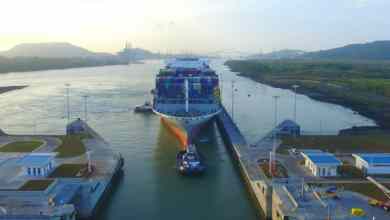
Data confirms that U.S. importers are increasingly opting to bring Asian cargoes into East Coast ports.

The International Energy Agency now believes implementation of the new fuel rule could be “much smoother than expected.”
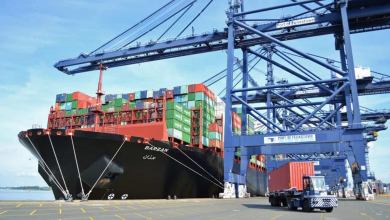
BIMCO, ICS, INTERCARGO and INTERTANKO call on charterers, bunker suppliers and nation states to “double their efforts” to ensure a smooth transition to low-sulfur fuel.

According to Euronav, the derivatives market in low sulfur fuel oil is not deep enough to provide a viable IMO 2020 hedge – but it will be soon.
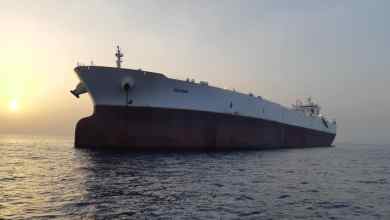
Tanker major Euronav has revealed new details on its strategy to counter IMO 2020 risks.
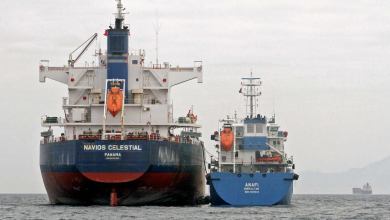
The price of new IMO 2020-compliant low-sulfur fuels is already 30% higher than fuels currently in use, but costs will rise further as the Jan. 1 deadline approaches, says consultant
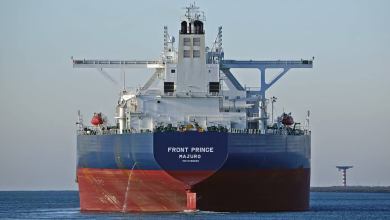
John Fredriksen’s shipping companies are increasing their exposure to IMO 2020 market effects.
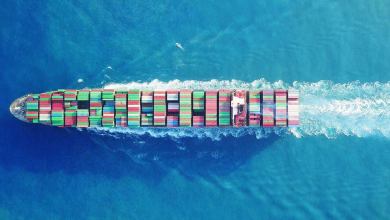
The new IMO regulation reducing ships’ sulfur oxide emissions aims to improve the health of the environment and human population, especially near coasts and ports. This also means increased costs and a shift in strategies for maritime shippers. A panel at the Edge 2019 conference will explore these regulations and their predicted effect on logistics.
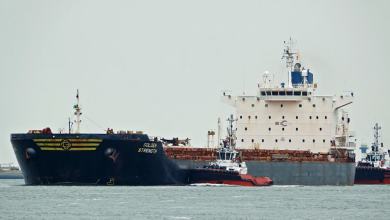
Golden Ocean could be a trendsetter, buying a stake in a marine-fuel operation to offset IMO 2020 price and availability risks.

As with product tanker rates, crude tanker rates show no sign yet of upside from IMO 2020 preparations.