East Coast vs. West Coast: More imports shift back to Pacific ports
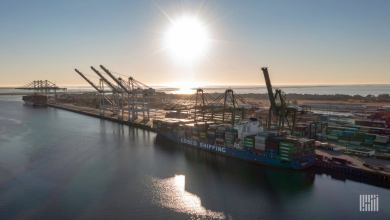
Now that port labor unrest is over, West Coast container terminals are starting to claw back some of their lost volumes.
Peak season demand propelled imports higher in September, although softening spot rates point to a fourth-quarter slowdown.
Now that supply chains are back to normal, the typical effects of seasonality have returned, bringing U.S. imports up.
Containerized imports are rising seasonally, as expected. This year is on track to top pre-pandemic volumes by low single digits.
June volumes of containerized imports were higher than normal and the National Retail Federation predicts more gains ahead.
To view more FreightWaves infographics, click here
America’s imports are not signaling a recession, at least not yet. Inbound volumes are rising from the bottom.
Inventory destocking is the biggest container shipping headwind, says Maersk. Its data shows no evidence of inventory pressures alleviating yet.
The Europe-U.S. trade held up a lot longer than the Asia-U.S. trade, but trans-Atlantic premiums are now fading away.
To view more FreightWaves infographics, click here
“Simply put, there’s no bigger priority right now than this contract agreement,” says Gene Seroka of the Port of Los Angeles.
Although import volumes show signs of a nascent recovery, the inventory overhang remains daunting.
U.S. importers have forsaken their traditional gateway in Southern California. Many may be gone for good.
U.S. businesses overshot in 2022, importing way more than they needed. The hangover is in full swing, depressing 2023 imports.
After a bounce in January, containerized imports could drop this month to the lowest level since May 2020.
Imports continue to decline and are close to where they were before COVID-19, but the coastal mix is very different.
November saw another double-digit drop in America’s containerized imports, driven by sinking volumes from Asia.
Drop in imports from China in recent months comes on the heels of years of gains by exporters in the rest of Asia.
Truckload volumes in Elizabeth, New Jersey, are still rising after a boost in imports last week, but that will likely change in the days ahead. Detroit’s volume boom went bust, bringing reactions to their lowest on record since 2018.
Rolf Habben Jansen, CEO of ocean carrier Hapag-Lloyd, gives his take on the “bullwhip effect,” rates and global trade.