




Greg Miller
Wednesday, October 19, 2022
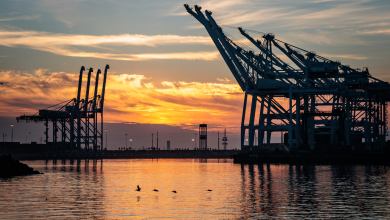
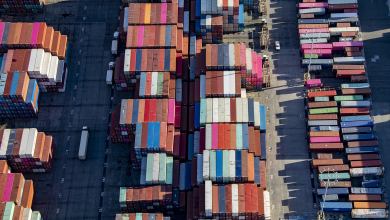
Container imports to Los Angeles and Long Beach are plummeting
Southern California ports are being hit by double-digit import drops as the COVID-19 cargo boom winds down.
Southern California ports are being hit by double-digit import drops as the COVID-19 cargo boom winds down.
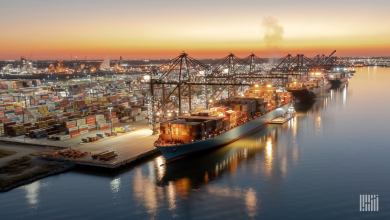
Demand for Asian goods began dropping earlier this year. This is now having a delayed — and highly negative — effect on U.S. imports.

Reefer volumes spike in Illinois, the port of Houston sees a record number of TEUs in August, and exports from China continue to slide worldwide.

Importers have been shifting to the East Coast since 2021, but the full realization of this has peaked over the summer. The shifting import pattern has strong downstream effects for surface transportation providers.

After 10 years of negotiations, the Mexican state of Jalisco recently received approval from the U.S. Department of Agriculture to begin exporting Hass avocados to America.
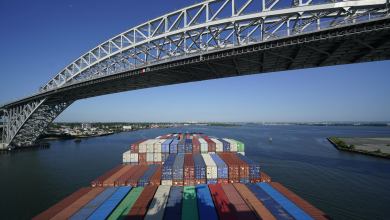
America’s goods imports hit a capacity ceiling during the COVID-era boom. Volumes are still bouncing around near the top.
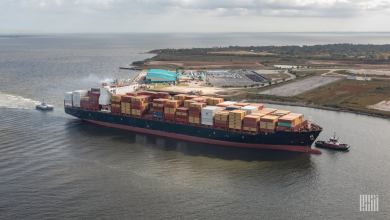
A shipping researcher dubbed July 1 “Bloody Friday” due to a large drop in stock prices for several shipping companies.
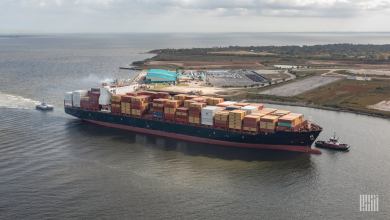
Import volumes have not realized the dip in shipping orders yet. What does this mean?
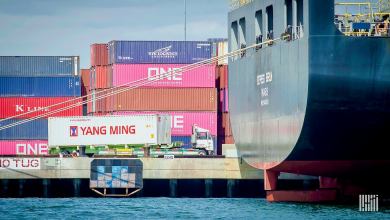
Analysts from J.P. Morgan and Bank of America warned of an impending disaster for U.S. imports.

The latest baby formula developments include relaxed regulations to support more imports, an air cargo pipeline and congressional scrutiny.

energy trade between the U.S. and Mexico reached a nine-year high

The United States has imported a relatively small share of crude oil from Russia, but U.S. imports of petroleum products from Russia — namely, unfinished oils and fuel oil.
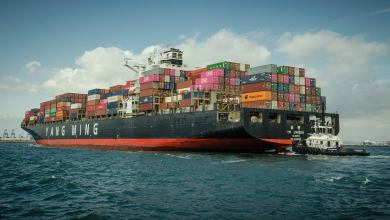
China’s biggest holiday used to have a dramatic impact on U.S. transportation and the flow of goods. Now it seems more of an afterthought.
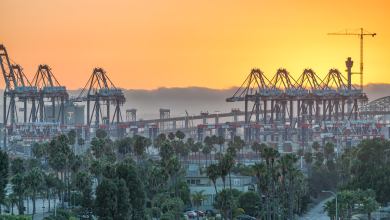
No letup yet: It’s taking even longer for Asian exports to get across Pacific to American buyers.

Mexico is the largest avocado producer in the world, with a volume that exceeded 2.3 million tons in 2020
EDRAY’s global shippers reportedly have seen a 40% increase in drayage productivity, five times less rehandling and 25% less emissions.
After a year and a half of predictive misses, procurement teams and supply chain managers are in need of Lithium to help treat their bipolar ordering behavior.
Transportation rate growth has gone parabolic as shipping demand continues to strain networks. What are the fundamental reasons for this and how long will these conditions persist?
With no end in sight for global supply chain crisis, importers warned to brace for high costs throughout next year.
More container ships are stuck at anchor off California than ever before. The gridlock is about to get even worse.