




Greg Miller
Friday, August 27, 2021
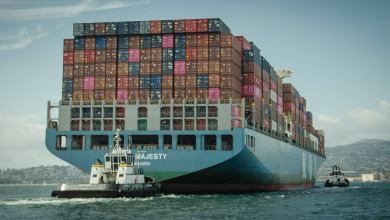
Shipping chaos gives top importers ‘massive competitive edge’
As stimulus-fueled demand overwhelms trans-Pacific capacity, a widening freight spread leaves small shippers behind.
As stimulus-fueled demand overwhelms trans-Pacific capacity, a widening freight spread leaves small shippers behind.

U.S. rail terminals that handle imports are still grappling with chassis shortages, although efforts are being made to address overflow at the terminals.

Industrial chemicals, petroleum coke and dry bulk led the way in June

Container ships in the congestion-plagued trans-Pacific trade have stepped on the gas, with some vessels now topping 20 knots.
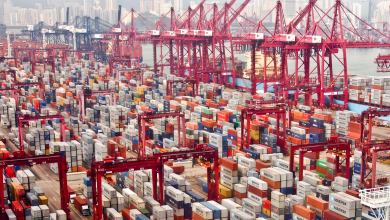
Americans are spending more on services. Contrary to predictions, this has yet to curb demand for containerized goods.

Mexico Remains Top US Trade Partner, Canada No. 2

Retailers at increasing risk of not getting goods from Asia on shelves as ocean transport system hits limit.

Borderlands is a weekly rundown of developments in the world of United States-Mexico cross-border trucking and trade. This week: Port Laredo looks to boost produce imports; Texas drug trafficking organizer gets life in prison; e-commerce startup Merama raises $60 million; and Amazon facility set for Texas Gulf Coast.

Importers are scrambling as demand sails past ocean transport supply. The numbers paint an ominous picture for cargo shippers.
Now that shipping lines hold the pricing cards, importers must reset strategies, says Sea-Intelligence’s Jochen Gutschmidt.

On this episode of Great Quarter, Guys, Andrew Cox and Seth Holm discuss whether a wave of shipments is on its way to the U.S. or if the parcel system can handle the load.
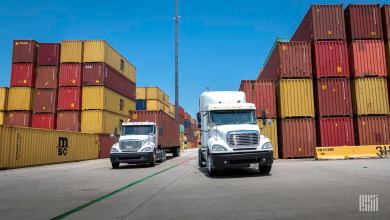
Imports have fueled the domestic freight economy over the past year. That growth continues out of the traditional peak season with shippers booking maritime capacity in April. Could this translate to a record summer for trucking?
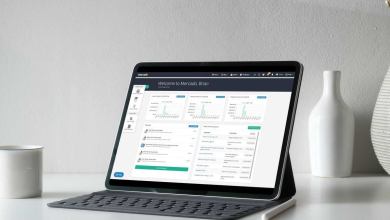
Mercado Labs connects, organizes and optimizes international supply chains, bringing order to the complex and monthslong importing process. End-to-end visibility is table stakes for an agile, efficient and resilient supply chain.

Bad timing: Still-rising cargo demand is coinciding with container-shipping constraints in the wake of the Suez Canal crisis.

This is an excerpt from Monday’s (3/29) Point of Sale retail supply chain newsletter sponsored by ArcBest. Yee-HAW, people. The third round of fiscal stimulus is causing an immediate and significant boost to the consumer economy. Due to the sharp contraction in spending this time last year from COVID-related lockdowns, the one-year change is distorted and not as […]

Peloton is riding a wave for the history books right now. It has grown revenues by triple digits year-over-year for three consecutive quarters while building one of the most recognizable brands in not just fitness, but all consumer segments. If it should continue this meteoric rise, it must sort its supply chain issues before either the vaccines or competition prematurely puts out its flame.

Kevin Hill and Michael Vincent discuss how imports and retail sales continue to support intense freight activity.

The Trump Administration announced an import ban on all cotton and tomato products originating in China’s Xinjiang region citing evidence of forced labor. This ban is much bigger than just cotton and tomatoes. It is a call to action for all retailers to better understand their sourcing practices.
Transportation providers may spend January unclogging supply chains as warehouse capacity has become a precious commodity thanks to the continued influx of imports.

Trucking and rail volumes remain elevated while the imports fade. Is this is beginning of the end of the 2020 freight boom?