




Joanna Marsh
Thursday, February 25, 2021
Winter weather wallops US rail traffic
The extreme cold and heavy snow dampened U.S. rail volumes last week.
The extreme cold and heavy snow dampened U.S. rail volumes last week.

U.S. rail volumes rose 5.3% in January as gains for intermodal, chemicals and grain were enough to offset losses for coal and petroleum products, according to AAR data.
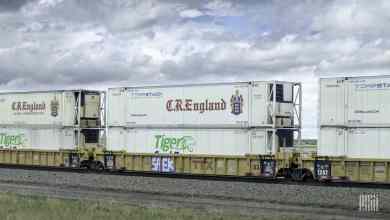
Higher consumer spending, inventory restocking and rising import levels contributed to a 9.6% gain in North American intermodal volumes in the fourth quarter of 2020, according to the Intermodal Association of North America.
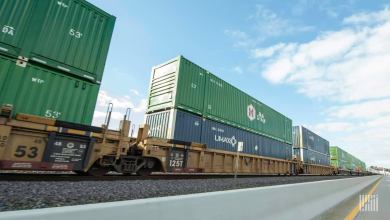
Anticipated consumer spending levels, retail restocking and tight truck capacity are among the factors that could support intermodal volumes this year, according to Class I rail execs.
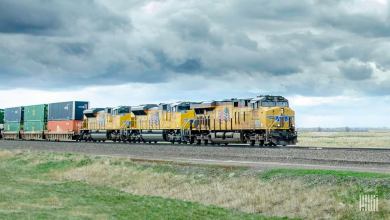
Two FreightWaves SONAR charts illustrate Union Pacific’s views of the West Coast intermodal spot market.

U.S. weekly carloads last week were only 1.4% lower than year-ago levels, while intermodal traffic is still experiencing double-digit percentage increases.

On Dec. 1, KCS announced that the blockades had officially come to an end. The Mexican economy has taken a hit due to the pandemic and the protests only added to the hurt.

A few images convey a great deal about the intermodal rail model.
KCS says Mexico protests are impacting fourth-quarter revenue, and Norfolk Southern announces leadership changes.
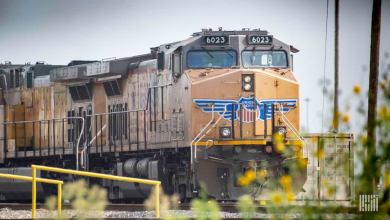
The railroad has opened a new intermodal terminal in Minneapolis, and service to and from Los Angeles will begin in January.
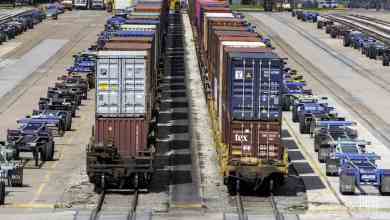
U.S. carload traffic on a weekly basis was 3.1% lower last week on a year-over-year basis and 1.7% higher sequentially.
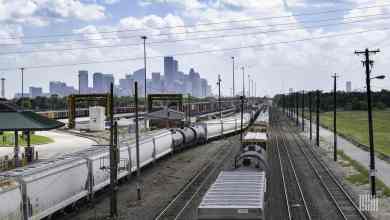
Weekly intermodal traffic is still higher year-over-year although on a sequential basis, volumes appear to be leveling off for trailers.
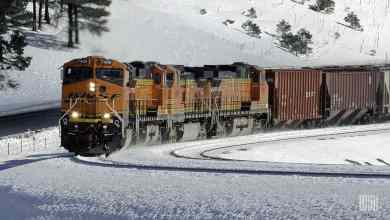
With intermodal volumes growing in the third quarter and October, how will the railroads handle intermodal traffic in the fourth quarter?
The bond credit ratings firm updates its outlook for the freight rail industry from negative to stable amid rising rail volumes.
U.S. rail volumes on a weekly basis were 2% higher last week amid a 9% increase in intermodal traffic.

Intermodal containers arrived this week at North Dakota’s first and only intermodal facility in Minot.

U.S. intermodal volumes grew in September amid a continued increase in U.S. imports.
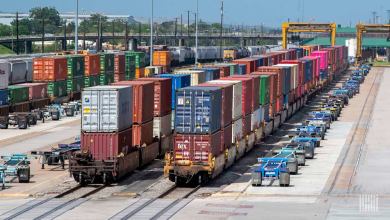
U.S. intermodal traffic continues its upward trend but carloads are still lower year-over-year.

It is too early to call the intermodal recovery a long-term win for the railroads.

U.S. rail volumes were down by only 1.3% compared with the same period in 2019. Intermodal traffic provided the boost.