




Greg Miller
Thursday, March 2, 2023
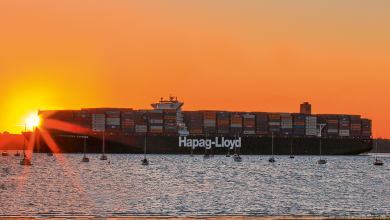
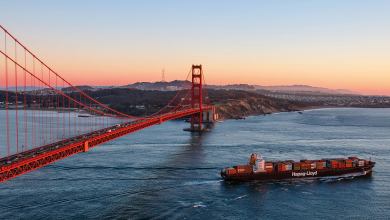
Hard landing? 2023 could be Hapag-Lloyd’s 3rd-best year ever
Shipping lines like Hapag-Lloyd have suffered sharp rate falls from the peak, but they’re nowhere near financial distress.
Shipping lines like Hapag-Lloyd have suffered sharp rate falls from the peak, but they’re nowhere near financial distress.
Charter rates are far below the peak but higher than pre-COVID as liners continue to sign new container-ship leases.

After a year of sanctions and “self sanctions,” shipping cargoes caught in the crossfire continue to find their way to buyers.

New Alphaliner data highlights the enormity of new container shipping capacity that’s poised for delivery.
Two container shipping experts give their take on how the hangover after the pandemic boom could play out.
Los Angeles continues to face a double whammy of sinking demand and fears over the port labor contract that expired in July.

Ocean carrier revenues fell sharply in the fourth quarter versus the third and continued sinking in January.
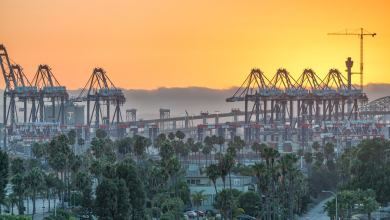
After a bounce in January, containerized imports could drop this month to the lowest level since May 2020.

Ocean carrier Maersk sees a rough second half of the year, when remaining support from contract rates “will disappear.”

The reversion in spot rates is pulling down contract rates, with a significantly delayed effect on ocean carrier earnings.
GoFreight, a startup freight shipping platform for small and midsized freight forwarders, recently raised $23 million in a Series A round.
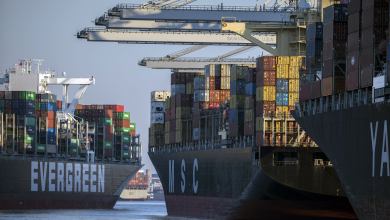
The 2M partnership between MSC and Maersk — which is breaking up — is the smallest of the three alliances. The Ocean Alliance is much larger.
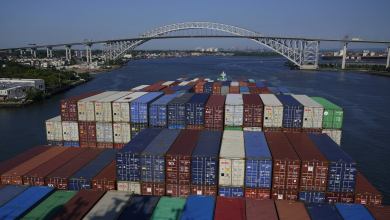
Container shipping rates from Europe to the U.S. are finally falling, but they’re still exceptionally high.
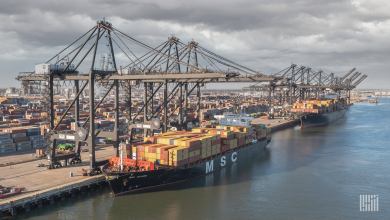
Speculation is swirling on how the end of a global container shipping alliance will affect ocean carriers and cargo shippers.
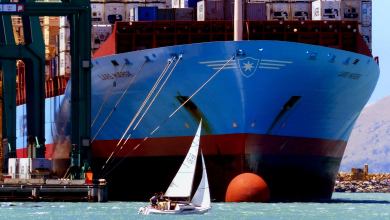
Shipping services around the globe will be reconfigured after the top two carriers end their vessel-sharing agreement.

How big are the world’s largest ocean container ships?
American imports remain a tale of two coasts, with continued strength in container volumes headed to Atlantic ports.
Imports continue to decline and are close to where they were before COVID-19, but the coastal mix is very different.
Remaining queues of waiting ships are dwindling, another sign that supply chain pressure is winding down.
The top 10 liner operators hiked aggregate capacity by 13% in 2000-22 and continue to control 85% of the global fleet.