





Kayla Matthews
Tuesday, April 21, 2020
How freight companies can keep customers happy during COVID-19
Customer service (in many forms) is the key to keeping and/or expanding business during the pandemic.
Customer service (in many forms) is the key to keeping and/or expanding business during the pandemic.
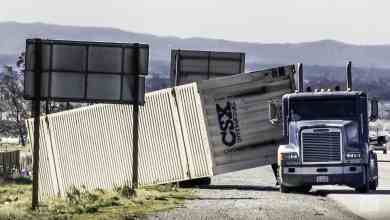
Using shock recorders when shipping freight may help shippers and carriers better protect freight and assign fault when damage occurs.

The Chinese government is using the reason “Acts of God” to void many contracts due to coronavirus. Darren Prokop explores whether that is hurting current trade and will impact trade in the future.

FreightWaves SONAR can help those in the freight industry stay current with what is happening in transportation and logistics during the coronavirus pandemic.
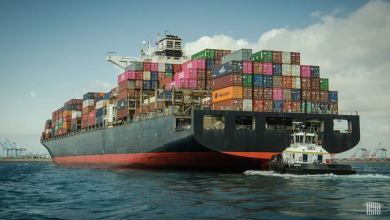
The companies that control the bulk of ocean cargo opearte under different rules than most companies. Read Darren Prokop’s explanation of why that is…
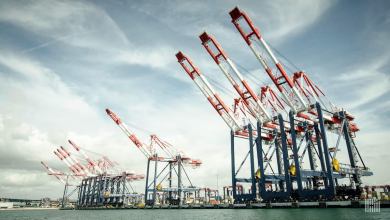
CNBC’s Lori Ann LaRocco writes about the ramping up of manufacturing in China, and the subsequent ramping up of cargo headed to the U.S. via ships.
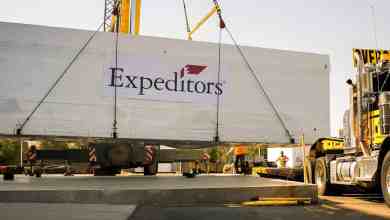
EXPD earnings fell 23% year-over-year; management cited the business cycle and warned about Q1 coronavirus impacts.
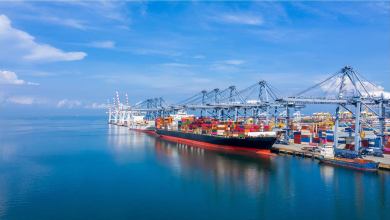
Guest columnist Sri Laxmana writes about the impacts of IMO 2020.
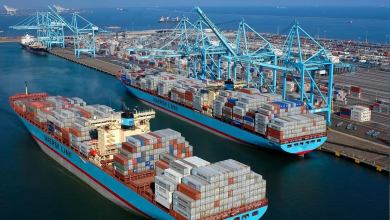
Lori Ann LaRocco writes about the impact of coronavirus on maritime trade between China and the U.S.
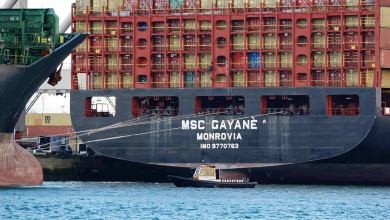
Ben Thrower writes about the increased use of cargo ships to smuggle drugs.

Darren Prokop writes about the implementation of IMO 2020 and how its costs will be absorbed and/or passed along…

Robinson aggressively cut prices to hold truckload volumes steady and grow LTL volumes.
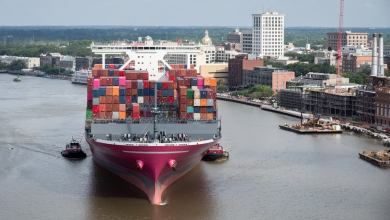
FreightWaves’ maritime Market Expert Henry Byers provides insight regarding the Phase One trade deal between the United States and China.
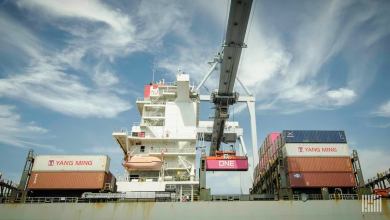
A global container index offers a big-picture perspective on the worldwide supply/demand balance.
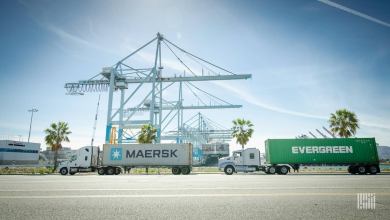
Phase One of the U.S.-China trade deal is scheduled to take effect Wednesday. Read CNBC’s Lori Ann LaRocco’s take on how that trade has changed since the tariff war began — and how it may never be quite the same.
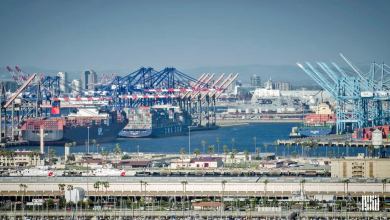
The use of drones and other technology will help ports streamline operations, increase safety and vigilance for drugs and pollution.
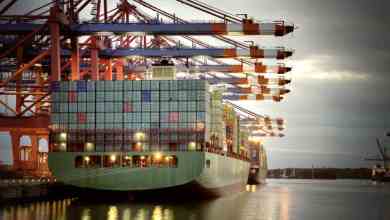
Darren Prokop writes about the benefits of economies of scale in maritime shipping; he also writes about the dangers of diseconomies of scale.