




John Gallagher
Thursday, April 29, 2021
West Coast port crisis caught in infrastructure debate
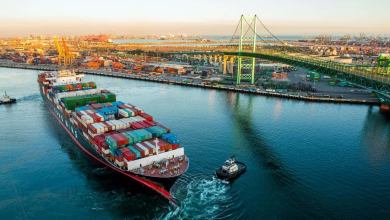
Container rates doubling from a year ago is a lesson for port investment, according to Port of Long Beach’s Mario Cordero.
Container rates doubling from a year ago is a lesson for port investment, according to Port of Long Beach’s Mario Cordero.
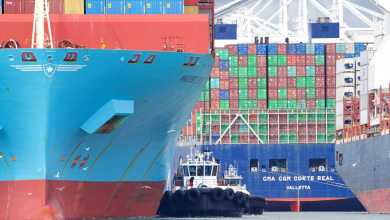
Trans-Pacific container crunch is about to become even more severe, warns Flexport, with May sailings now effectively sold out.

Prologis launched a new LEED program, Blume Global says it will be carbon-neutral very soon, and bays are seeing ecological recovery.
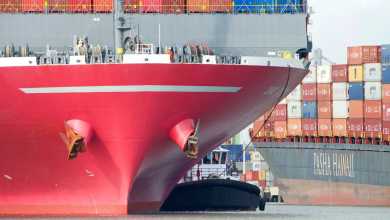
U.S. importers will be paying a lot more for annual ocean contracts this year, but pricing inflation has eased.
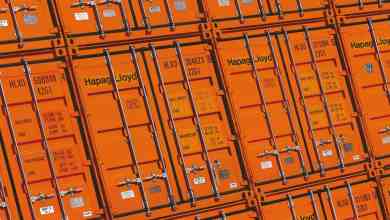
“The container shipping industry is currently seeing unprecedented demand, which has led to a shortage of containers all over the world,” says CEO Rolf Habben Jansen.
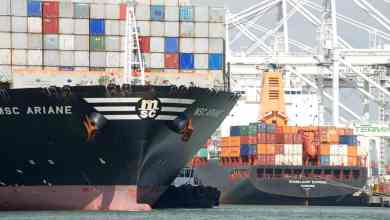
The container ship now is expected to anchor in San Pedro Bay on May 1.
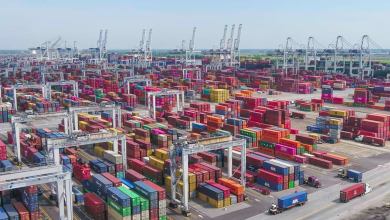
U.S. ports just booked their largest import hikes in memory, according to The McCown Report.
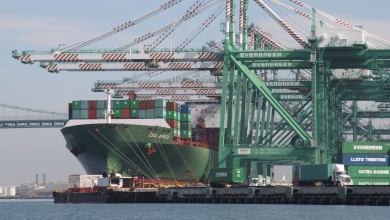
Imports into Los Angeles at not slowing down. Can the backlog be cleared before the peak-season swell begins?
Container shipping spot rates haven’t budged from COVID-fueled peaks. Cargo shippers’ hopes for a rate pullback are fading.
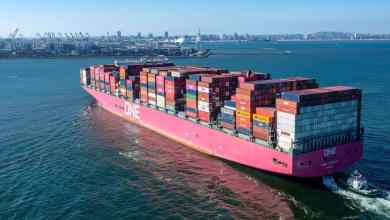
If you ordered a fire pit or a rowing machine online, there’s a good chance it’s coming through the Port of Long Beach. The port is moving record amounts of containers and shipments are experiencing delays.
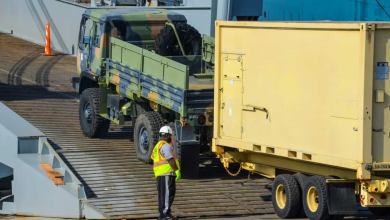
“Imagine a port where a ship slows down on approach to reduce emissions, plugs into the electrical grid at berth instead of burning fuel to run vital systems and is worked by zero-emissions cranes, yard vehicles and trucks. That’s our reality in Long Beach.”
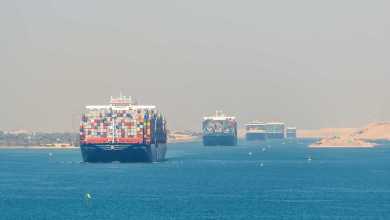
Bad timing: Still-rising cargo demand is coinciding with container-shipping constraints in the wake of the Suez Canal crisis.
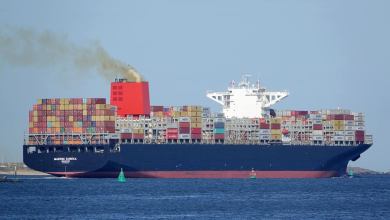
The Maersk Eureka is 650 miles off the coast of Alaska awaiting repairs

Intel’s Ravi Dosanjh and the Port of Long Beach’s Noel Hacegaba take on supply chain visibility.
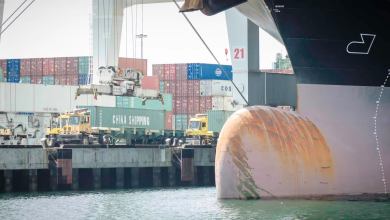
California’s container-ship traffic jam is slightly less jammed but import pressure remains high. One analyst warns the worst may be yet to come.

Fireworks could be stuck at sea by the time the Fourth of July rolls around. Blame massive port congestion and overloaded freight networks. The fireworks industry is asking the Biden administration to provide a fix, but what can it do?
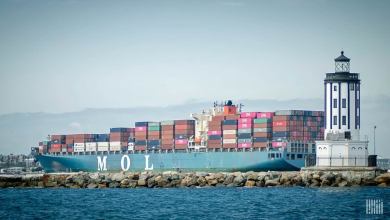
“Today we are in the seventh month of a historic import surge driven by unprecedented demand by American consumers,” says Gene Seroka.
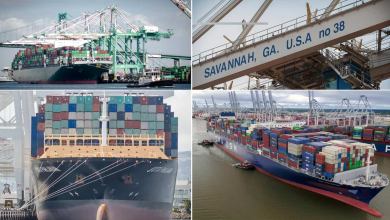
Anchorages are filling up with ships off multiple ports — not just California’s. Yet the reasons behind the traffic jams are not always the same.
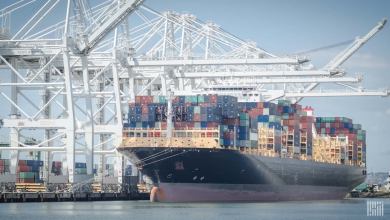
The lack of Lunar New Year shutdowns contributes to the busiest February on record.
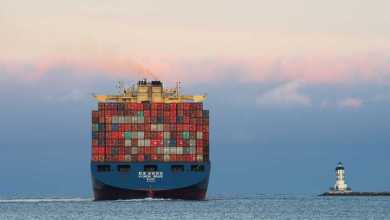
How does California congestion rank versus 2015 logjam caused by tensions with dockworkers union? It’s not even close: 2021 wins by a long shot.