




Greg Miller
Monday, June 22, 2020
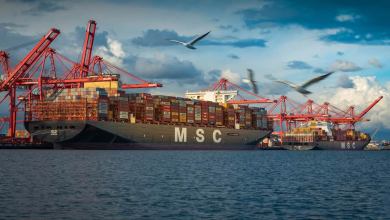
Carrier capacity cuts send trans-Pacific rates into orbit
By artificially restricting capacity, carrier alliances have engineered rates higher and may book a profit this year.
By artificially restricting capacity, carrier alliances have engineered rates higher and may book a profit this year.
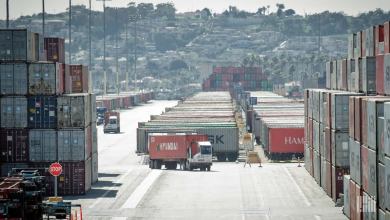
The U.S. Federal Maritime Commission has rolled out guidance on how the ocean shipping industry can collaboratively improve the flow of containers among ocean carriers, marine terminals, shippers and drayage truckers in San Pedro Bay during COVID-19 and beyond.
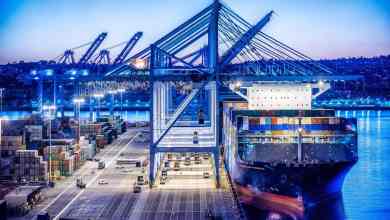
New data reveals third-quarter ocean schedules still largely intact — a positive sign on cargo bookings.
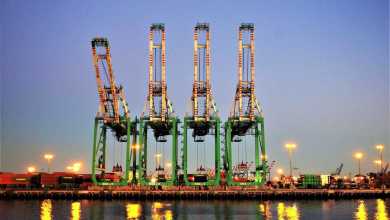
Gene Seroka reports worst May in more than a decade, predicts 15% of import cargo won’t return
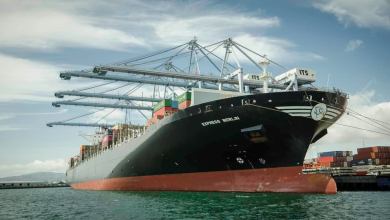
COVID effects far from over, but more positive news on the trans-Pacific.
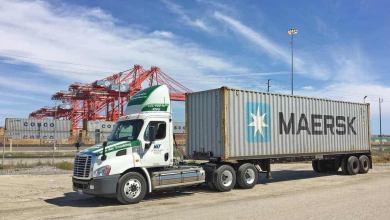
While natural gas trucks have been operating in ports for many years, a new report definitively states that they are a commercially viable option that can handle all the tasks required of drayage trucks.
Pandemic-caused shortages put spotlight on importance of cargo moved through California ports
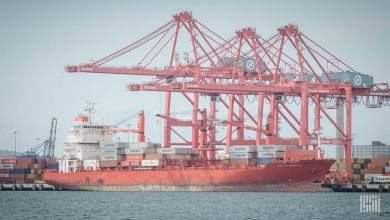
San Pedro Bay complex braces for more blanked sailings as coronavirus pandemic rages on.
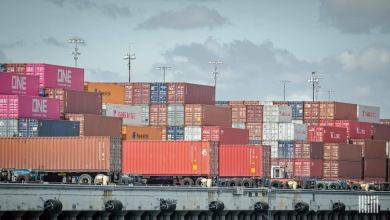
As ships sail full in May, the hope is that fewer 3Q sailings get the ax.

Idelic and Samsara have forged a partnership where Samsara ELD and camera data will be integrated into Idelic’s driver management platform. Plus, GE cutting 25% of aviation workforce, Amazon exec quits over employee firing, and road funding takes a hit.
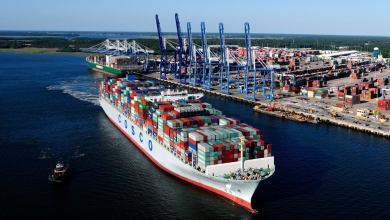
New data from eeSea reveals that U.S. ports will see capacity plunge by up to 20% this month.
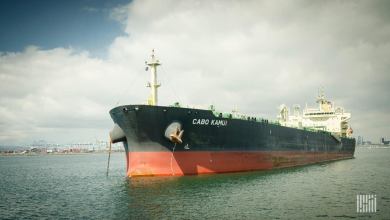
Triple the number of vessels at anchorage increases risk of oil spill.
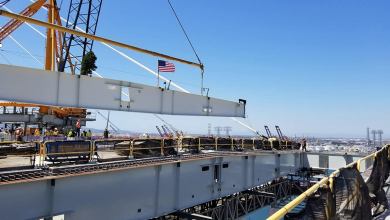
Final steel floor beam lifted into place two years after assembly of main span got underway.
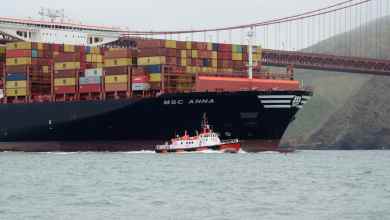
The 19,200-TEU MSC Anna is retrieving empty containers piling up during the coronavirus crisis to return to Asia.
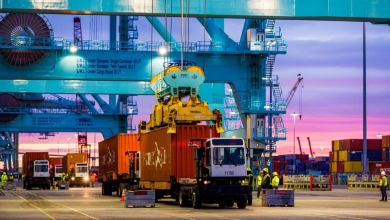
Ports of Seattle, Tacoma, Los Angeles, Long Beach, Oakland, Houston, Jacksonville and Charleston all report drops in March.

The number of empty containers returned to Asia from the California port dropped 23% in March.
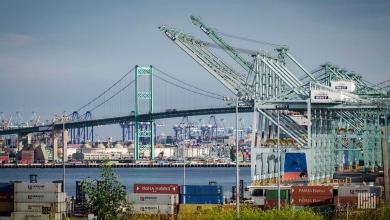
Coronavirus and tariffs blamed for lowest total in more than a decade.
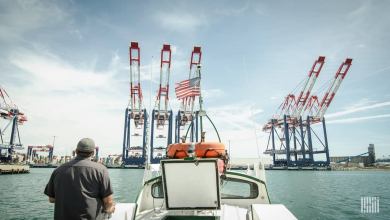
“The coronavirus is delivering a shock to the supply chain,” said port chief Mario Cordero.
A C-suite and board are shuffled, and a commercial operations director and Europe manager are hired.
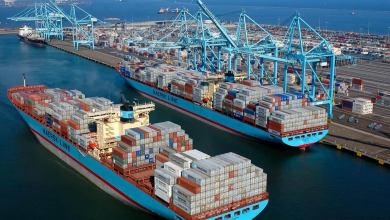
The second-shift change will provide time to clean handling equipment to help prevent the spread of the coronavirus.