




Eric Kulisch
Monday, November 29, 2021
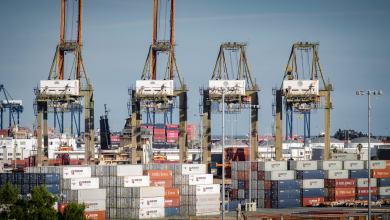
LA/LB ports postpone congestion surcharge for 3rd time
Southern California ports and private operators are using carrots and sticks to help eliminate a massive pileup of cargo.
Southern California ports and private operators are using carrots and sticks to help eliminate a massive pileup of cargo.
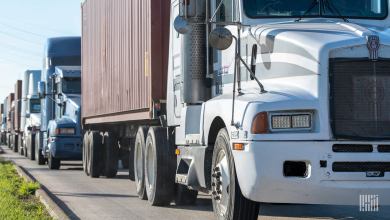
Despite reports that congestion issues are easing on the water at California’s major ports, drayage truckers claim this isn’t the case for them as efficiency issues continue to plague terminal operators.

Record number of container ships waiting but they’re harder to see, as new plan spreads queue across Pacific.
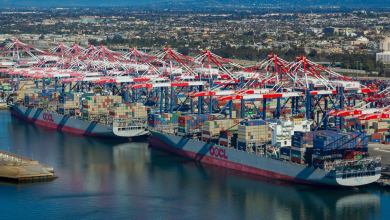
Cargo is moving a bit more smoothly at the Southern California ports, giving officials reason to hold off assessing stiff storage fees.
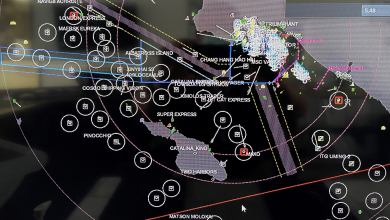
Ship arrival data confirms seasonal surge to Southern California has ebbed — even as port congestion has risen.

Convoy’s #NoEmptyMiles campaign hits new heights; the importance of verifying equipment type; a halt to the impending fees at LA and Long Beach ports; and one more acquisition.
CalTrans is boosting the weight limit for port truckers. The regulatory change was made with good intentions, but can it work?
Zim’s profits are still going up — way up — despite more vessels getting snared in West Coast port gridlock.
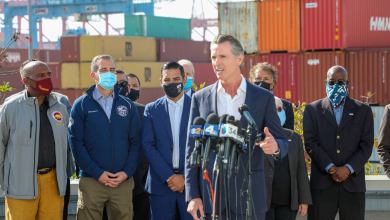
Los Angeles and Long Beach hold off on charging highly controversial fee on import containers.
Rates expected to remain strong into 2022, fallout from new ship deliveries in 2023-2024 to be muted.

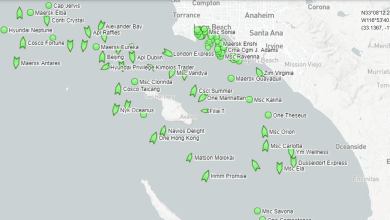
Just five days before emergency SoCal container fee is set to begin, offshore traffic jam reaches new heights.
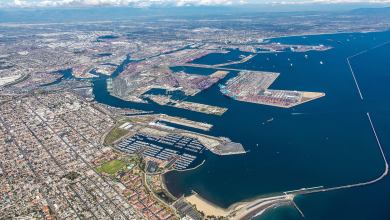
Lack of data sharing regarding nonscheduled vessels is adding to the congestion in San Pedro Bay and impacting the ability to plan for container processing.

Port congestion forced container ships to go faster. Congestion remains extreme, yet ships are slowing down.

California congestion hits charter rates as ship operators waste millions waiting to get to terminals.
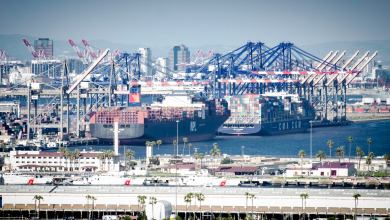
The White House has begun monitoring container volume at the ports of Los Angeles and Long Beach to measure progress in clearing supply chain bottlenecks.

Dedicated trucking becomes more committed, truck parking capacity crunch, consumer spending sky high
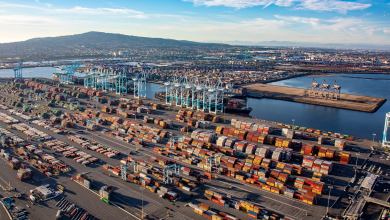
A whopping 40,000 of those containers have been at the Port of LA for nine-plus days, which is considered lingering.
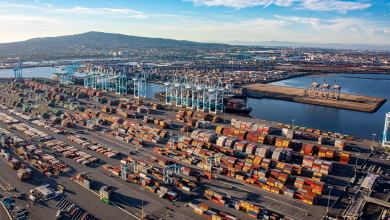
The ports of Los Angeles and Long Beach are turning into makeshift warehouses. Officials hope new fines on lingering cargo will end the practice.
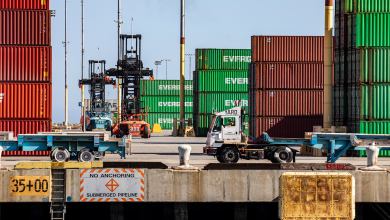
The Port of Los Angeles is hoping to scare the freight community into more efficient behavior with big fines for the slow retrieval of containers.
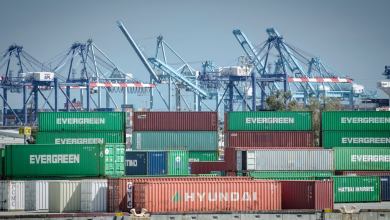
The ports of Los Angeles and Long Beach haven’t informed federal regulators yet about their plans to hit ocean carriers with big fees for excessive storage of containers.