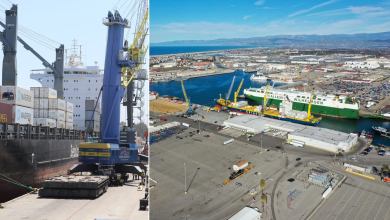
In the shadow of LA congestion, Port Hueneme becomes cargo magnet
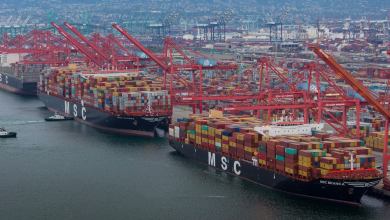
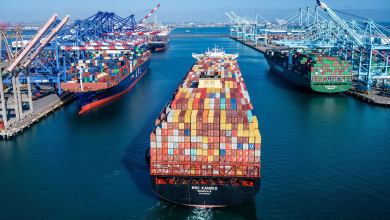
Port Hueneme is an example of a niche port that is attracting more container shipments because of bottlenecks at big seaports.
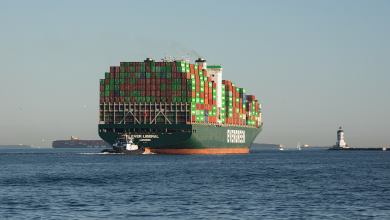
Import demand remains exceptionally strong but volumes through America’s largest port are falling.
SoCal port crunch “has really become as bad as it’s ever been,” reports industry veteran Jon Monroe.
A new report by Shifl shows the impact the massive congestion off the coast of Los Angeles and Long Beach has had on transit times from China.
A look at the end of Central Freight Lines, the port congestion blame game between drivers and officials, and investments no one asked for.
Christmas is just around the corner, but the supply chain remains snarled, says a C.H. Robinson exec.
The effects of port congestion on independent contractors may be underplayed in a recent driver satisfaction survey.
After brief reprieve, trans-Pacific shipping rates head back up, pointing to ongoing supply chain pressure.
California drayage company Orange Avenue Express alleges ocean carrier Hapag-Lloyd is forcing it to act as a storage facility for refrigerated containers.
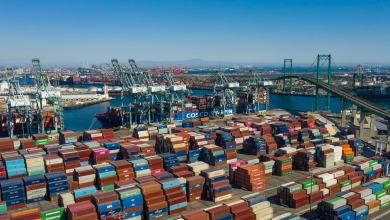
The container shipping surge shows no signs of letup, but the Southern California ports say they are slowly clearing out the backlogs.
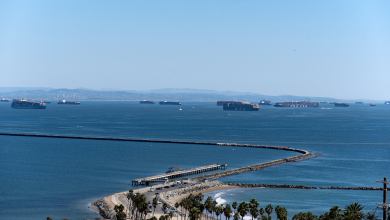
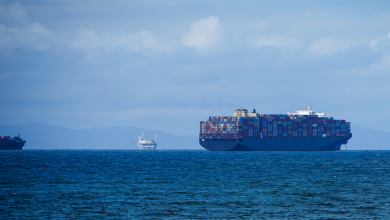
In addition to 40 waiting close to shore, another 56 farther out
Controversial plan to charge for containers lingering on terminals keeps getting delayed. Yet containers still linger.
Customers reach expiration dates, Amazon is trialing home deliveries in the U.K., 96 ships in San Pedro Bay.
Industry cooperation removing containers from the docks has convinced port officials to hold off imposing penalties for excess storage.
COVID exposed underlying chinks in the supply chain, especially at the ports. The White House has lit a fire under the industry’s feet to improve the container shipping system.
Marine Exchange now counts ships waiting farther out to sea, confirming just how big the backlog really is.
Officials are creating unrealistic expectations that supply chains will be unplugged within weeks or months.
Congestion can be attributed to increased ship traffic, a lack of labor and crane availability, and the sea of empty containers rising throughout Southern California.
While technically the congestion has decreased in the bay because of the new queuing system, that does not mean the vessels do not exist. They do.
Despite claims to the contrary, the ship backlog is not getting smaller. Vessels are waiting on both sides of the Pacific.