




Darren Prokop
Monday, October 7, 2019
Commentary: U.S. ports and the trade war
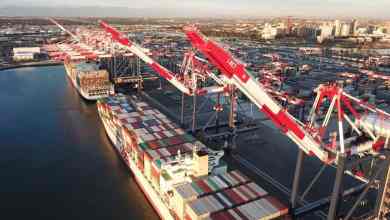
At the center of the Trade War between the U.S. and China are the American ocean ports.
At the center of the Trade War between the U.S. and China are the American ocean ports.
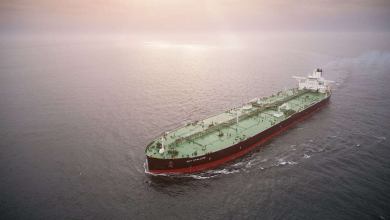
VLCC rates are now at or near $100,000 per day, courtesy of U.S. sanctions targeting China’s COSCO.
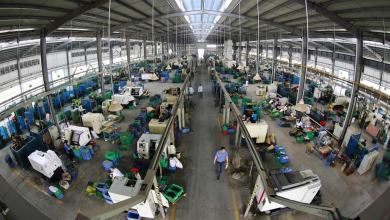
The transfer of production out of China to avoid U.S. tariffs of up to 25% is having a tangible impact on global trade flows.
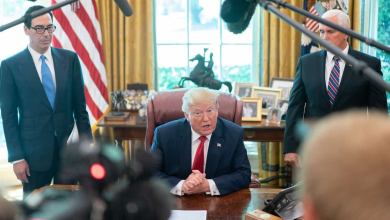
U.S. sanctions targeting a subsidiary of China’s COSCO Shipping could have far-reaching consequences.
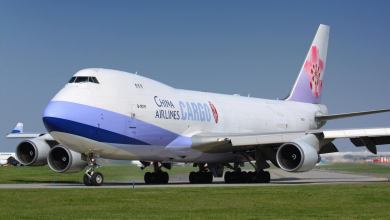
Flexport’s head of airfreight believes a small bump in demand out of Asia could result from new U.S. tariffs, while higher fuel prices will push up air cargo costs.

Borderlands is a weekly rundown of developments in the world of United States-Mexico cross-border trucking and trade. This week: San Antonio secures $1.2B deal with manufacturers; United States ends Mexican tomato investigation; Otay Mesa adds industrial park along US-Mexico border; CBP seizes $1M worth of drugs at the Pharr International Bridge. Proximity to Mexico helps San […]
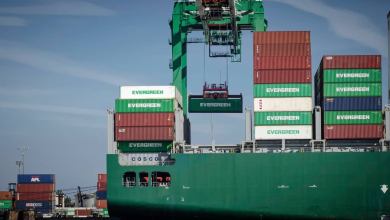
BIMCO says there are “several indications” that goods are being shipped from the Far East to Europe and then transshipped to the U.S. East Coast to avoid tariffs.
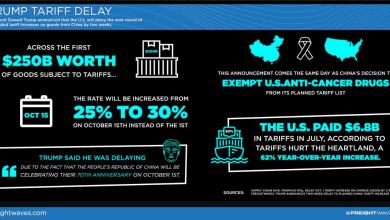
President Trump announced that the U.S. will delay the next round of scheduled tariff increases.

The announcement comes after Beijing announced its first round of tariff exemptions for U.S. goods earlier in the day.

Come on ride the ragin’ rollercoaster! First, Target tells suppliers to eat higher tariff-related costs, and Zach Strickland tells us why this has been one of the toughest freight cycles on record, and more.
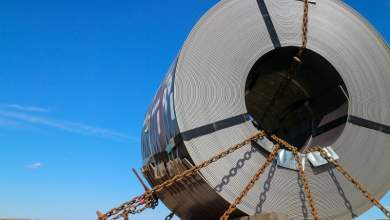
The U.S. Department of Commerce recently issued 31% tariffs on structural steel imports from Mexico and 141% tariffs on steel from China. U.S. officials made a determination that producers in both Mexico and China had dumped fabricated structural steel on the U.S. market at prices below fair market value, hurting the U.S. steel industry. “The […]

How tariffs played a role in Amazon deforestation.

How Flexport is managing the challenges of todays air cargo environment
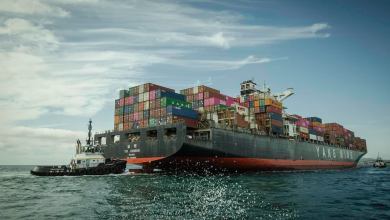
The trade war with China has altered international shipping patterns, which has started to shift freight volumes to the East Coast.
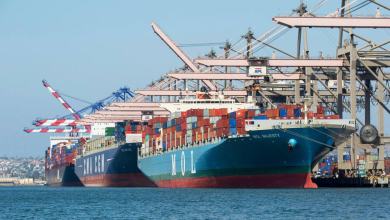
Asia-U.S. container rates are still not showing peak-season strength, but optimism remains.

Can listed shipping shares break out of their slump before the U.S.-China trade dispute is resolved?
North Asia revenues were down 8.5 percent, but EXPD improved productivity.

ISM data in both the service sector and manufacturing sector suggest the economy is slowing and recent tariffs could make things worse
Drewry says it expects a brief spike in transpacific freight rates to the U.S. West Coast following President Trumps threat to impose a new round of tariffs on imports from China.