At TRB: How high-tech mapping can grow intermodal, and a data reality check
At the Transportation Research Board annual meeting, intermodalists advise and dissent over developments in the freight sector.
Stakeholders at the Transportation Research Board annual meeting gathered to evaluate port performance, a complicated conversation within the supply chain.
At TRB, educators and rail executives urge a strategic rethinking of how the industry attracts new talent, upskills current workers.
A panel of public and private decision-makers highlighted steps taken to fortify the global supply chain against disruptive events, but said more needs to be done.
North American freight railroads can pursue sustainability that not only benefits customers but also the railroads’ bottom line, according to panelists at a Transportation Research Board session.
Federal watchdogs tell the Biden administration that more research is needed to ramp up a national user fee system to eventually replace the gas tax as the main way to fund highway construction.
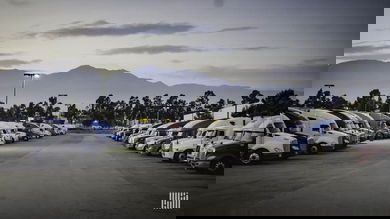
Private money can add parking better than public money because there is only so much that can be done with public spending on interstate rest areas.
DOT wants to prepare for increased scrutiny as it gets ready to distribute half a trillion dollars in new infrastructure funds.
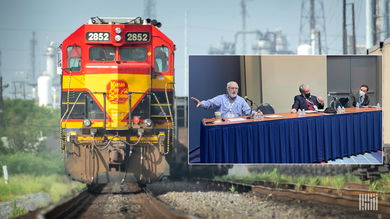
The panel on rail consolidations also addressed different approaches to creating competition on monopoly networks.
During a panel discussion, Home Depot and others talk about how to grow freight rail.
FMCSA safety committee will request crash data from Amazon delivery vans.
New agency programs require wireless capacity that FCC wants to reallocate
Technology will have a key role, but how will shippers and labor benefit from the railroads’ high-tech initiatives, panel asks.
Advocacy groups differ on effectiveness of public and private financing to meet high demand.
Only about 10% of drivers aren’t belted but as a share of fatalities it’s close to 50%.
A current rail attorney who was with the STB for many years wonders whether it has ever broken free of the changes envisioned by the Staggers Act.