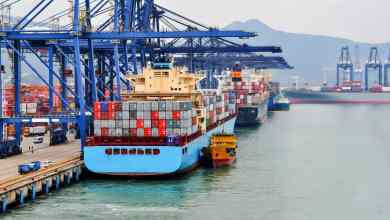
Industry groups say ending China tariffs would offset supply chain pain
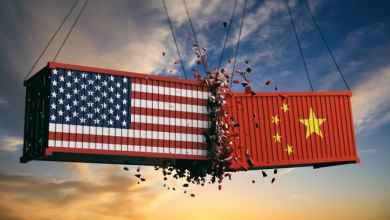
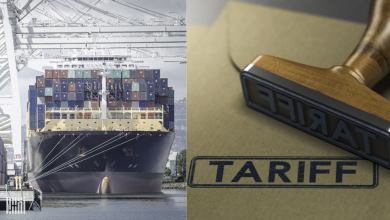
If you thought President Joe Biden would quickly reverse Trump’s controversial trade policy toward China, guess again. U.S. importers aren’t happy.
COVID-19 could ignite geopolitical clashes and cause “meltdown” in U.S. consumer demand.
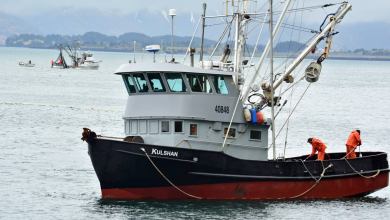
Commercial fishing is big business in Alaska. And like all industries, it depends on supply chains to work properly…
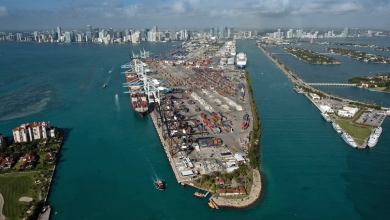
Lori Ann LaRocco illustrates the disruption to global trade by profiling what has happened at the Port of Miami since the coronavirus pandemic began.
The global pandemic has strained relations between the U.S. and China. Will that cause the trade deal negotiated earlier this year to break down?
CNBC’s Lori Ann LaRocco writes about the impact of COVID-19 on U.S.-China trade, particularly in regard to the trade war between the two nations.
The available supply of US industrial property rose during the first half of 2019 for the first time since the end of 2010, according to CBRE
Airfreight volumes worldwide remained weak in May. However, there may be modestly brighter skies ahead in the second-half of 2019
It appears that Chinese retail investors are moving capital out of the country in response to the devaluation of the yuan.
U.S.-China trade tariffs war is heating up; Asian oil importers have not stopped importing oil from Iran; Uber has a staunch rival in Ola across the Indian market.
China ramps up its pork import from the U.S.; Lyft is all set for its IPO; Saudi Arabia looks to push oil prices to over $70 per barrel.
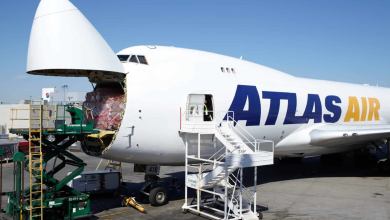
A solid year with more on tap for 2019, Atlas says.
A weak December pulled down full-year volumes, trade group said.
Missing USDA data on wheat stockpiles has traders reacting cautiously.
U.S. Chamber of Commerce president Tom Donohue threw down $25,000 for ideas on how to pay for infrastructure. And told Washington to open back up.
EPA is looking to update pollution regulations for commercial trucks after 20 years; oil prices fall to one-year lows; U.S. import levels have declined slightly across all major retail container ports.
The U.S.-China trade war has brought misery to the thriving U.S. lobster industry, which is now feeling the heat of an additional 25% tariff that Beijing slapped on its live and processed lobster exports to China.
Capacity constraints, strong demand, and chaotic tariff-related traffic pushed transpacific containers rates to new heights, but the current inbound container surge, unrelated to consumer demand, will create a steeper drop off in Q1 2019.
Barclays forecasts a drop in oil price; China is witnessing a historic fall in auto sales over stock market crash and U.S.-China trade war; banks are discussing on emergency financing to liquidate Sears.
Saudi Arabia and Russia are looking to contain crude oil prices by increasing production by nearly half a million barrels per day; China’s U.S. oil exports have dried up completely; Amazon warehouse workers lose their bonus over the company’s minimum pay rise pledge.