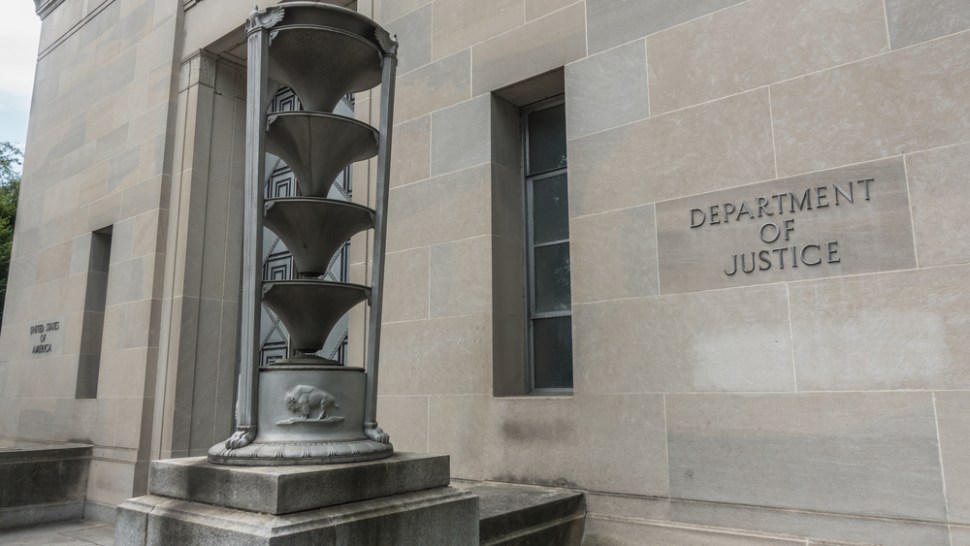
The transportation industry has spent years asking for more federal attention on cargo theft and freight fraud. A newly released letter tied to Department of Justice funding shows that conversation may finally be getting more attention in Washington. View the full DOJ implementation letter here.
The document focuses on how the DOJ plans to address organized cargo theft groups that rely on fraud, fake identities, hacked communications, and networks operating across multiple states. The letter comes at a time when cargo theft is no longer seen as only a physical crime involving stolen trailers or warehouse break-ins. Today, many cases begin with fake carrier setups, spoofed emails, stolen identities, or manipulated onboarding systems.
a different view of cargo theft
The biggest takeaway is not just that cargo theft is being discussed at the federal level. It is how the government is starting to describe the problem. The language in the letter shows a growing understanding that modern cargo theft often starts long before a truck arrives for pickup.
That matches what many investigators, brokers, insurers, and fraud experts have been warning about for years. In many cases, the freight is already at risk before it ever moves. The criminals first gain access to systems, identities, or trusted accounts. Once that happens, the shipment may still appear normal on the surface.
The letter also raises important questions for the industry. Will the DOJ start treating organized freight fraud more like organized crime instead of isolated theft cases? Will federal agencies work more closely together on cargo theft investigations involving cybercrime and financial fraud? Will prosecutors start using stronger fraud charges in these cases instead of treating them like business disputes?
Many theft groups today do not operate like traditional cargo thieves. In many cases, they use active authorities, stolen credentials, or shell companies to gain access to freight through normal systems. Once control changes hands, recovery rates drop quickly. Many experts warn that after the first 24 to 48 hours, the chances of recovering stolen freight fall sharply.
why this matters to the industry
The letter also shows growing pressure from both lawmakers and the industry to improve communication and data sharing around cargo theft. For years, companies have argued that investigations move too slowly because reporting systems are disconnected. Information is often spread across different states, agencies, insurers, and private companies.
That problem has become more serious as organized theft groups continue expanding operations across the country. Many modern cargo theft cases now involve identity theft, fake pickups, double brokering, payment fraud, and compromised communication systems all at the same time.
Cargo theft may finally be moving beyond being viewed as only a supply chain issue. It is increasingly being seen as a larger economic and organized crime problem. That shift could affect investigations, resources, and enforcement priorities moving forward.
For the freight industry, the message is becoming clear. The problem is no longer just stolen freight. The real issue is stolen access, stolen identities, and trusted systems being manipulated from the inside.
Click here for more articles on cargo theft and freight fraud by Phillip Brink.
RELATED STORIES:
$4 million cargo theft recovery shows what enforcement can do – FreightWaves
Inside the $10m freight fraud that rocked Chicago – FreightWaves
Brokerage Compliance Symposium
The day before F3. Every compliance issue you face - fraud exposure, carrier liability, FMCSA rules, cargo theft, insurance gaps - navigated by attorneys and operators defining best practices in a changing industry.
F3 Awards Dinner
The night before F3. FreightTech100 companies honored. FreightTech 25 and Shipper of Choice winners revealed live. Cocktail reception into dinner and live music - 300 industry leaders in one purpose-built room.
F3: Future of Freight Festival
Industry-defining keynotes, rapid-fire technology demos, and industry leaders networking in experiences across Chattanooga - plus the inaugural F3 Awards Dinner featuring the FreightTech and Shipper of Choice reveals.
The day before F3. Every compliance issue you face - fraud exposure, carrier liability, FMCSA rules, cargo theft, insurance gaps - navigated by attorneys and operators defining best practices in a changing industry.
The Signal at Chattanooga Choo Choo • Chattanooga, TN Register NowThe night before F3. FreightTech100 companies honored. FreightTech 25 and Shipper of Choice winners revealed live. Cocktail reception into dinner and live music - 300 industry leaders in one purpose-built room.
The Signal at Chattanooga Choo Choo • Chattanooga, TN Register NowIndustry-defining keynotes, rapid-fire technology demos, and industry leaders networking in experiences across Chattanooga - plus the inaugural F3 Awards Dinner featuring the FreightTech and Shipper of Choice reveals.
The Signal at Chattanooga Choo Choo • Chattanooga, TN Register Now