




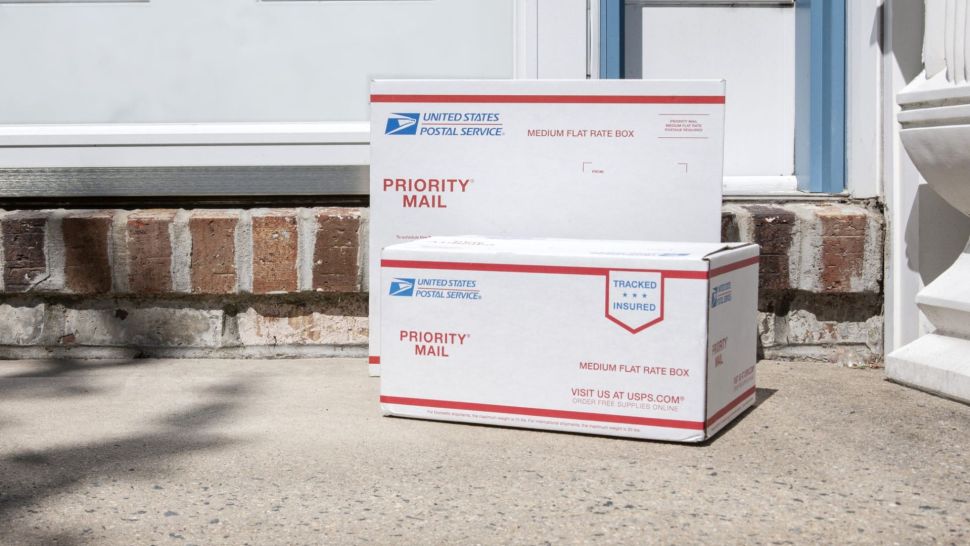
A U.S. Postal Service proposal to collect dimensional information for packages of all sizes, not just larger ones, is raising concerns that major shippers and small online sellers could be subject to non-compliance penalties, especially for non-standard parcels that are difficult to measure.
Combined with price increases that kicked in on Sunday, the rule change indicates that the Postal Service is intent on becoming more disciplined in generating revenue through e-commerce parcel delivery .
Under current rules, bulk shippers must list dimensions on the electronic manifest for boxes that exceed one cubic foot, or 22 inches in length. The dimensions, along with the weight, are plugged into a formula to determine the shipping price. Packages with measurements that differ from what USPS equipment measures are assessed a $1.50 surcharge. The Postal Service, according to a Jan. 8 notice in the Federal Register, now wants to collect dimensional information for every type of parcel moving as a manifest shipment, effective in mid-July. Weight-only labels would end at that point.
The decision applies to Priority Mail Express, Priority Mail, Ground Advantage and Parcel Select products.
Smaller packages are currently charged by weight. The agency is not proposing to implement cubic volume charges on small pieces, but the data request raises questions for businesses about future intentions. And non-compliance fees could be another way to raise revenue.
“All of a sudden many more packages are going to have to be accompanied by this dimensional information. If you’re a shipper, that means you have more exposure to the possibility of having noncompliance surcharges,” said Michael Plunkett, president of the Association for Postal Commerce, in a phone interview. “Mid-July isn’t a whole lot of time for wholesale IT changes on the shipper’s side.”
The Association for Postal Commerce represents businesses and organizations that use the mail for business communication and commerce, as well as industry service providers.
Mailers and e-commerce shippers say there is a lot of uncertainty about what the Postal Service is trying to accomplish. Outstanding questions include what type of reconciliation process will be in place if the source of any inaccuracy is postal equipment itself. The deadline for filing comments about the proposed rule is Feb. 9.
A major concern is whether the proposed rule applies to goods in poly bags — polyethylene plastic bags that are lightweight, durable and cheaper to ship, but also shapeless.
“It is very difficult, if not impossible, to provide accurate information on poly bags and those are a substantial portion of low-weight and low-cubed shipments,” said Plunkett.
Smaller e-tailers who print labels from marketplaces or third party providers such as Amazon, Etsy or ShipStation will also be impacted by the changes, said Liz Morton, a long-time e-commerce professional who publishes articles about the industry on her own independent news site.
Instead of estimating the size of small, lightweight merchandise, sellers will have to add dimensional weight calculation technology or expect platforms to pass on the USPS non-compliance fees and possibly add an extra processing fee, she wrote this month.
The Postal Service is moving to use dimensional weight so it can capture the volumetric price of shipments just as FedEx and UPS do. The majority of parcels moving through the postal system don’t transmit dimensions. Only about 30% of parcels come with dimensional data, according to an industry estimate shared on LinkedIn by Beth Guynn, a regional sales manager at OnTrac.
Dimensional data isn’t a paperwork formality; it’s how modern parcel carriers price density, protect yield, and prevent revenue slippage. UPS and FedEx have enforced dimensional discipline for years, and USPS is now closing that gap because the parcel mix has changed and the economics demand it,” she wrote.
Shippers should verify that systems don’t just store dimensions but actually transmit them on USPS manifests and provide cube data at the SKU level, Guynn recommended.
Price hikes
On Sunday, the USPS raised prices on four competitive products (7.8% for Ground Advantage; 6.6% for Priority Mail; 5.1% for Priority Mail Express; and 6% for Parcel Select).
“Taken together, the pricing and dimensional rule change point in the same direction: USPS wants to be taken seriously as a parcel carrier and is pricing itself accordingly. USPS is repositioning itself from a mail-first organization into a parcel-competitive carrier. Better data + tighter pricing are prerequisites for that shift,” said Guynn.
Click here for more FreightWaves stories by Eric Kulisch.
Sign up for the biweekly PostalMag newsletter The Delivery here.
RECOMMENDED READING:
OnTrac CEO Duffy leaves for UK pest control company
Large parcel carriers improved on-time delivery during 2025 peak season
FedEx, UPS peak season surcharges drive shippers to competitors
Brokerage Compliance Symposium
The day before F3. Every compliance issue you face - fraud exposure, carrier liability, FMCSA rules, cargo theft, insurance gaps - navigated by attorneys and operators defining best practices in a changing industry.
F3 Awards Dinner
The night before F3. FreightTech100 companies honored. FreightTech 25 and Shipper of Choice winners revealed live. Cocktail reception into dinner and live music - 300 industry leaders in one purpose-built room.
F3: Future of Freight Festival
Industry-defining keynotes, rapid-fire technology demos, and industry leaders networking in experiences across Chattanooga - plus the inaugural F3 Awards Dinner featuring the FreightTech and Shipper of Choice reveals.
The day before F3. Every compliance issue you face - fraud exposure, carrier liability, FMCSA rules, cargo theft, insurance gaps - navigated by attorneys and operators defining best practices in a changing industry.
The Signal at Chattanooga Choo Choo • Chattanooga, TN Register NowThe night before F3. FreightTech100 companies honored. FreightTech 25 and Shipper of Choice winners revealed live. Cocktail reception into dinner and live music - 300 industry leaders in one purpose-built room.
The Signal at Chattanooga Choo Choo • Chattanooga, TN Register NowIndustry-defining keynotes, rapid-fire technology demos, and industry leaders networking in experiences across Chattanooga - plus the inaugural F3 Awards Dinner featuring the FreightTech and Shipper of Choice reveals.
The Signal at Chattanooga Choo Choo • Chattanooga, TN Register Now