




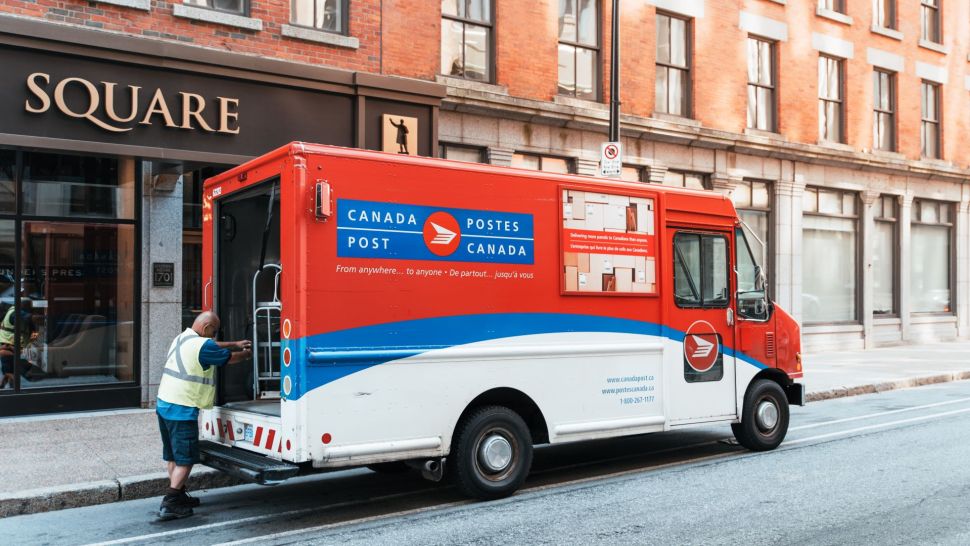
Canada Post and the Canadian Union of Postal Workers on Monday announced they have reached a tentative labor agreement that will be presented to more than 50,000 mail carriers for a vote. The production of finalized contractual language comes one month after the sides signed a framework agreement on how to settle a protracted collective bargaining dispute, which included two strikes and other work slowdowns, centered on how to restructure the financially troubled national post.
The five-year contract includes wage increases, enhanced benefits and the initiation of weekend parcel delivery with part-time workers, which Canada Post says is necessary to better compete with private carriers. According to CUPW, the agreement does not include Canada Post demands for dynamic routing and load leveling.
Canada Post argued it needs a flexible business model to compete in an environment of less mail demand and alternative parcel carriers. Dynamic routing would have allowed the corporation to plan and optimize delivery routes based on volumes, delivery addresses and pickup requests. The national post also wanted the ability for supervisors each morning to transfer mail volumes between carriers during scheduled hours to even their workloads rather than having each carrier work the same fixed routes.
CUPW leadership will manage the union ratification process, with voting to begin in the new year. It said the deal is better for workers than the proposal made by Canada Post at the start of October.
“Postal workers have put up an enormous fight over the past two years. But in the face of repeated attacks from a federal government intent on stripping us of our rights to collective bargaining and an employer that wanted to gut our collective agreements, we stood strong,” the union’s lead negotiators said in a membership message.
The agreement includes a 6.5% wage increase in year one and 3% in year two, with further increases tied to the annual inflation rate, enhanced health and worker compensation benefits, and enhanced job security protections for rural carriers.
On Friday, CUPW National President Jan Simpson said “we will keep pushing back against service cuts, the austerity agenda and advocate for a future that respects postal workers and the important services we provide.”
She pointed to a recent report from the Canadian Center for Policy Alternatives that advocated for investment over retrenchment. Drawing on data from the Universal Postal Union, the report said the world’s most successful post offices often have diversified businesses and that aggressive cost-cutting measures, like post office closures, are counterproductive.
Click here for more FreightWaves stories by Eric Kulisch.
Sign up for the biweekly PostalMag newsletter The Delivery here.
RECOMMENDED READING:
Canada Post, largest union announce tentative contract agreement
Canadian government to end home delivery in Canada Post reform
USPS reports 5.7% decline in parcel volumes, $9B loss
UPS, Postal Service to reunite for delivery of low-budget shipments
F3: Future of Freight Festival
Industry-defining keynotes, rapid-fire technology demos, and industry leaders networking in experiences across Chattanooga - plus the inaugural F3 Awards Dinner featuring the FreightTech and Shipper of Choice reveals.
Industry-defining keynotes, rapid-fire technology demos, and industry leaders networking in experiences across Chattanooga - plus the inaugural F3 Awards Dinner featuring the FreightTech and Shipper of Choice reveals.
The Signal at Chattanooga Choo Choo • Chattanooga, TN Register Now