Why is carrier compliance increasing along with spot rates?
Rapidly changing shipping patterns and cost structures have made historical comparisons much more challenging for the freight market.


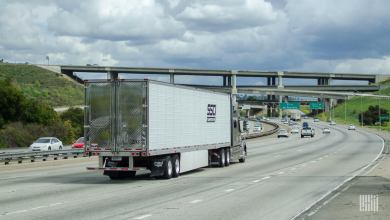
There are numerous reasons carrier compliance rates have been increasing over the past few months. An increase in short-haul freight may be making it easier for carriers to cover more freight.
Reefer capacity appears to be easing in the contracted space, but spot rates appear to be as touchy as ever.
Intermodal volumes are down while tender rejections are up. The rails may be missing a huge growth opportunity, but is there anything they can do about it?
Two of the nation’s largest centers for outbound freight demand saw record low levels of carrier acceptance rates this past week. This comes as the worst of the COVID capacity crunch appeared to be in the rearview mirror.
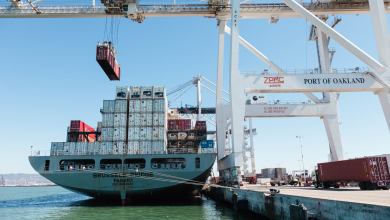
Capacity is retightening in California as demand surges once again. There are new patterns emerging that may lead to a battle for capacity between the two coasts.
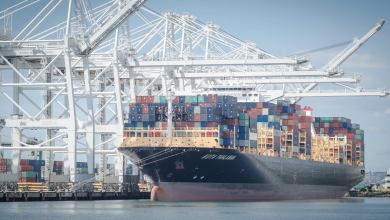
Shippers are desperately trying to find a way to get their freight into the U.S. The peak impacts to surface transportation may be in the future.
Shippers may have had a little more success with contracted carriers in May, but it came at a high cost.
Shippers continue to struggle to find a reliable way to get freight into the U.S., which is causing major changes to surface transportation patterns.
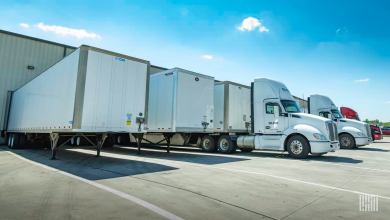
In 2019 shippers crammed warehouses full of inventory coinciding with a stagnant freight market. As warehousing capacity tightens, could this contribute to the already tight transportation space?
The industrial sector is trying to recover faster than transportation can react. There are numerous factors limiting the economic recovery, illustrating that it is harder to turn production back on than off.