Modal shift dampens trucking market
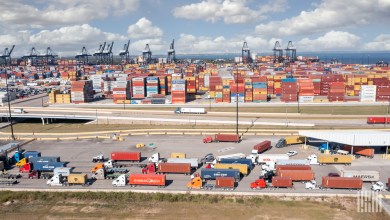
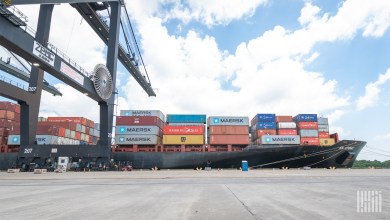
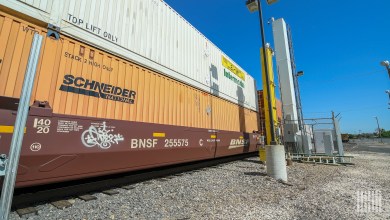
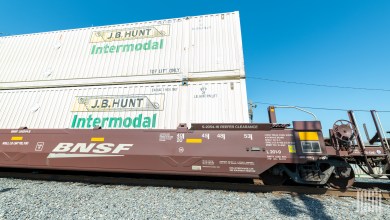
Shippers appear to be using intermodal as pricing spreads near all-time highs, but there are risks to this looming later in the year.
A quiet indicator of supply chain strategy shifts, the tender lead time is telling us many things about how shippers are feeling about transportation markets.
J.B. Hunt’s strong earnings were largely driven by a historic growth in intermodal usage.
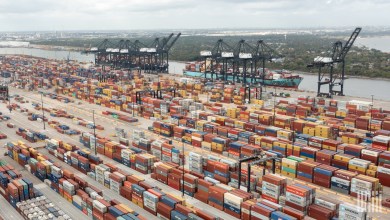
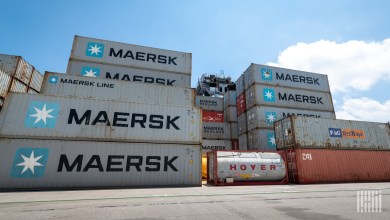
Container import bookings are riding a prolonged wave as new tariffs are reviewed. How much of this is tariff induced and what does it mean for domestic transportation markets?
Trucking’s tightness could last well into 2027, if not further.
LTL revenues appear to be strengthening in Q2, but is this a product of fuel or something more structural?
Supply chain adaptations have led to diminishing distances for truckloads. The shrinking length of haul has mitigated some of the recent market capacity shortfalls.
Rising costs and stubbornly high transits could further challenge supply chains in the second half of the year.
The unanimous Supreme Court ruling on broker liability will carry a cost that is yet to be determined.
Trucking is about to encounter its next biggest seasonal disruptor of the year in the form of increased inspection rates. What does that mean for the already tight market?
LTL rates are experiencing their strongest upward move since the Yellow exit in 2023.
Trucking has tightened without the demand tailwind that defined the pandemic cycle.
Freight brokerages serve as the quintessential middlemen of the freight market, managing shipper transportation networks during stable periods while scrambling to fill capacity gaps when conditions tighten. It is a continuous balancing act — near-term underperformance can actually signal longer-term success, and vice versa.
Refrigerated truckload capacity has tightened rapidly out of northern California, signalling the return of a more volatile produce season.
The price of fuel has spiked over the past month, but this does not always mean higher rates.
National truckload rejection rates are telling us that the market may take a while to recover.
Midwest rejections are outpacing the West Coast by a factor of 4. What could be driving this huge disparity?
Wholesale diesel prices jumped more than 30% last week, while retail diesel prices increased more than 14%. The rapid pace of these changes has potentially negative implications for both shippers and carriers.
Two factors appear to be driving a divergence in regional truckload capacity in the middle of a structural market shift.
Flatbed rejections have increased sharply in recent months and do not appear to be driven solely by tightening capacity or weather disruptions. The recent tariff ruling could serve as an accelerant to this trend.