Heavily contracted carriers having a better year than 2021 — so far
The contracted freight market is in great condition at the moment, but the short-term indicators raise questions about its sustainability.
The truckload spot market has fallen apart over the past two months. Larger fleets are in far better shape for weathering the storm.
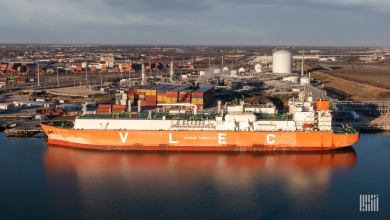
Shippers book maritime containers well before it turns into trucking and rail freight in the U.S. The relationship between international and domestic freight strengthened during the pandemic and they are both pointing toward a summer slump.
Not all loads are created equal in trucking. Loads moving across the country have a much greater impact on capacity and subsequently spot rates and they are disappearing at an astonishing rate compared to their shorter counterparts.
Many transportation managers and providers are expecting a return to a simpler time, but the data shows simpler times may be a thing of the past.
Heavily contracted carriers are not feeling the full brunt of the truckload market easing just yet, but there is still a lot to be determined about what happens next.
Slower transit times may be what shippers need as inventory levels and costs surge to all-time highs.
Stability lulled transportation managers and providers to sleep in the six years post-recession. The roller-coaster ride of the last four may be more indicative of their future.
Truckload capacity has been extremely difficult to secure over the past 18 months, but the tender data shows things may be changing, rapidly.
Inventory levels grew at an astonishing pace in February. Is the supply chain crisis ending?
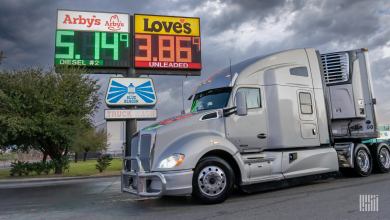
The wild fluctuations in crude oil prices have created a strong disconnect between wholesale and retail diesel prices. What are the impacts on transportation costs and subsequently carrier bottom lines?
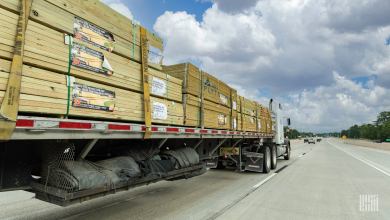
Relatively abundant for most of the pandemic, flatbed capacity has become scarcer than ever thanks to the surging price of crude and a white-hot construction sector.
The conflict is 8,000 miles away from North America but supply chains are global, which means any disruption around the world is a threat to their well-being. As the impact of COVID diminishes, a new geopolitical threat arises.
Shippers have been bidding against each other for capacity over the past year with little to show for it, and it appears paying more will not solve the crunch.
Carriers are pricing themselves into the markets with the highest rates, which is further fueling the capacity shortage.
Equipment price inflation not only inhibits capacity growth it carries consequences well into the future.
China’s biggest holiday used to have a dramatic impact on U.S. transportation and the flow of goods. Now it seems more of an afterthought.
Carriers are working hard on covering the high-priced West Coast freight, leaving shippers in the Northeast wanting.
Reefer demand remains strong heading into late January, breaking seasonal patterns that many have come to expect.
Prices have increased 17% but carrier compliance shows only marginal improvement