Holiday truckload demand stronger than in 2020
After a year of record demand, shippers are hesitant to pull their feet off the accelerators heading into the “slow” season.
After a year and a half of predictive misses, procurement teams and supply chain managers are in need of Lithium to help treat their bipolar ordering behavior.
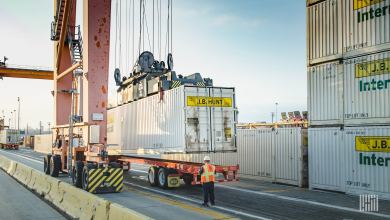
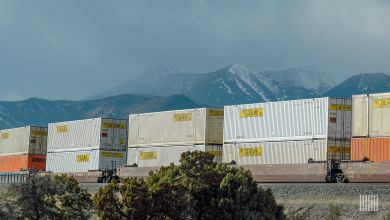
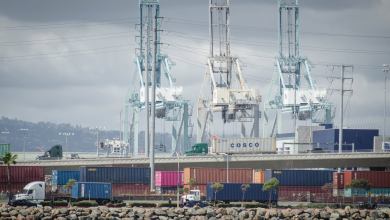
Southern California is the main entry point for imported goods in the U.S. Congestion around rail ramps and deteriorating service pushed shippers to trucking over the summer, but that trend is reversing as truckload costs soar out of the West.
Long-haul freight typically shrinks around the holiday season as fulfillment becomes a priority. The exact opposite is occurring this season, which may be indicative of shipper overcorrection.
The refrigerated truckload sector’s capacity recovery has stalled this fall while van has continued to stabilize. Here is the reason.
The trucking spot market is showing signs of softening in a somewhat unexpected time. Should shippers breathe a sigh of relief or is this the calm before the storm?
The cost of diesel fuel, a main component in the cost of trucking, is climbing rapidly. This is a hidden factor that is helping keep spot rates elevated.
Contract rates for trucking have been rising since late last year and finally appear to be effecting compliance, but at what cost?
Domestic intermodal container volume growth over the past two months may not signal a definitive end to the rail yard blues, but it is a positive sign for supply chain managers.
While shortages are being blamed for the bulk of the capacity shortages in transportation, the balance of the movement of goods has become incredibly lopsided.
Transportation rate growth has gone parabolic as shipping demand continues to strain networks. What are the fundamental reasons for this and how long will these conditions persist?
Used truck prices continued to hit new highs each of the last six months according to ACT Research. Prices will eventually become too much of a burden for small fleets and owner-operators to bear, if they haven’t already.
Congestion around the ports and drayage capacity issues are pushing shippers to use trucks more frequently while loaded container volumes dip. But shipping patterns are changing in more ways than just mode conversion.
Carriers are rejecting a disproportionate amount of long-haul freight heading east versus west. Does this dramatic imbalance have long-term implications?
Increasing the time between the request and requested pickup date is supposed to increase your odds of securing capacity. The aggregate data shows the opposite, but there is more than meets the eye.
Shippers are requesting as much capacity as ever from maritime shippers in August after slowing their pace through most of the summer. What should we take away from this?
June proved to be possibly the best month ever for Truckload Carriers Association members. Brokerage revenue growing alongside driver revenues helps paint a picture of success, but what is success for a carrier?
Rapidly changing shipping patterns and cost structures have made historical comparisons much more challenging for the freight market.
There are numerous reasons carrier compliance rates have been increasing over the past few months. An increase in short-haul freight may be making it easier for carriers to cover more freight.
Reefer capacity appears to be easing in the contracted space, but spot rates appear to be as touchy as ever.