




Adam Wingfield
Wednesday, March 5, 2025
How to Maximize Your MATS Experience as a Small Carrier/Owner-Operator
MATS is less than a month away, visit The Playbook at booth 38248.
MATS is less than a month away, visit The Playbook at booth 38248.
The freight market has been all over the place for small carriers, and right now, there’s a feeling that something’s about to give. The big question is whether this shift is going to work in your favor or just keep the squeeze on spot market rates a little longer. Truckload demand (the need for your […]
Updates to the CVSA Out-of-Service criteria have been released, set to take effect April 1.
The Beneficial Ownership Information (BOI) reporting requirement has become another regulatory headache for trucking fleets, adding complexity to an already compliance-heavy industry. While designed to combat financial crimes, the Corporate Transparency Act’s BOI mandate has been met with legal challenges, leaving businesses uncertain about their obligations. Despite ongoing court battles, FinCEN continues to push forward with enforcement, meaning most trucking companies structured as LLCs, S-Corps, or partnerships must file ownership details or face significant penalties. With deadlines approaching and regulatory uncertainty persisting, trucking fleets must stay informed, prepare their filings, and avoid compliance missteps.

Nikola’s bankruptcy is a reality check for the push toward zero-emission freight. Once hailed as the Tesla of trucking, Nikola’s failure highlights the immense challenges of replacing diesel with electric and hydrogen-powered alternatives. While policymakers and environmental advocates push for green energy solutions, the trucking industry remains bound by the need for reliability, infrastructure, and economic viability. With limited charging and hydrogen refueling networks, high costs, and performance struggles, Nikola’s downfall reinforces a hard truth, diesel isn’t going anywhere anytime soon.
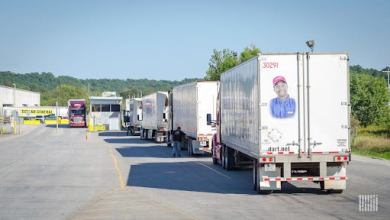
The freight market is tightening as we come to the end of February. What does tha mean fo owner0ops?
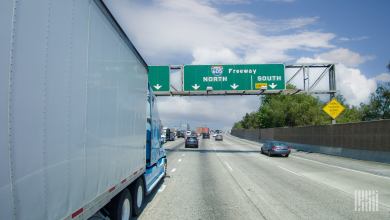
An EPA action initiating the process of revoking three California emissions waivers faces legal hurdles.
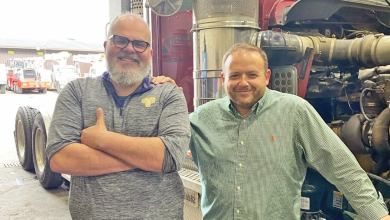
I’m Rob Carpenter, adviser, professional driver and your trusted voice for all things trucking. Welcome to The Playbook, a place for you to find your success in trucking.
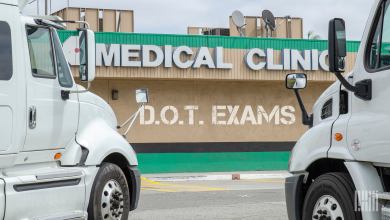
FMCSA’s Medical Examiner’s Certification Integration rule aims to streamline medical certification by digitizing the process, but delays have pushed full implementation to June 23, 2025. Until then, CDL and CLP holders must continue submitting paper copies of their Medical Examiner’s Certificate (MEC) to state licensing agencies, and motor carriers must verify compliance manually.
Failure to maintain a valid MEC can result in a CDL downgrade, putting drivers’ jobs at risk and exposing fleets to compliance violations. Staying informed and following FMCSA updates is crucial to ensuring a smooth transition when the new system goes live.

Driver stress is a fleet-wide risk that impacts safety, fuel costs, maintenance, and retention. Studies show that stressed drivers are more likely to engage in risky behaviors, suffer from fatigue, and leave the industry entirely, costing fleets thousands in turnover and accident claims.
AI-powered dashcams, predictive maintenance, and real-time telematics offer fleets a proactive approach to reducing driver stress and improving well-being. By integrating safety coaching, fatigue monitoring, and wellness programs, fleets can lower accident rates, cut operational costs, and build a culture that values drivers as assets, not liabilities.
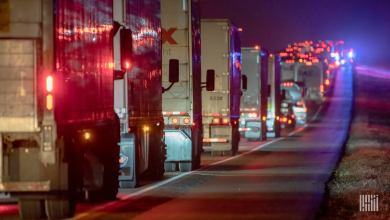
The research arm of the American Trucking Associations has pinpointed potential areas for highway investment in its annual survey of top freight bottlenecks.
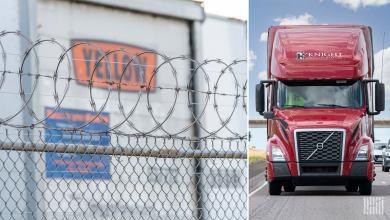
Court filings show three less-than-truckload carriers are seeking approval to acquire $15 million of bankrupt Yellow Corp.’s real estate.
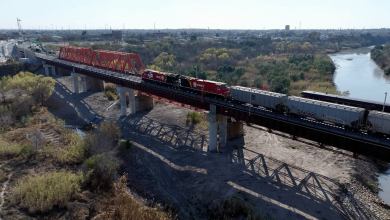
A ceremony marked the opening of CPKC’s new Patrick J. Ottensmeyer International Railway Bridge crossing the Rio Grande, at the busiest rail gateway connecting the United States and Mexico.