Mass layoffs in trucking and retail coming – Apollo
Apollo Global Management has a grim warning for the trucking industry: a recession is coming and mass layoffs will come with it.
Q1 earnings season is upon us, with early results pointing to continued degradation in truckload carriers’ financial health. Wisconsin-based Marten Transport released its Q1 earnings on Wednesday, but with publicly traded companies timing is everything.
Nikola’s bankruptcy is a reality check for the push toward zero-emission freight. Once hailed as the Tesla of trucking, Nikola’s failure highlights the immense challenges of replacing diesel with electric and hydrogen-powered alternatives. While policymakers and environmental advocates push for green energy solutions, the trucking industry remains bound by the need for reliability, infrastructure, and economic viability. With limited charging and hydrogen refueling networks, high costs, and performance struggles, Nikola’s downfall reinforces a hard truth, diesel isn’t going anywhere anytime soon.
A CDL is just a license. What separates top fleets from struggling ones is how they qualify, select, and retain drivers who fit their operations. A one-size-fits-all hiring approach leads to turnover, compliance risks, and operational inefficiencies. Successful fleets go beyond FMCSA minimums, assessing experience, cultural fit, and skill set alignment to ensure long-term success.
Leveraging technology for applicant tracking, telematics-based risk assessment, and continuous compliance monitoring, fleets can reduce costly hiring mistakes and build a stable, safety-first workforce. Hiring the right drivers is about protecting your business and driving long-term profitability.
I’m Rob Carpenter, adviser, professional driver and your trusted voice for all things trucking. Welcome to The Playbook, a place for you to find your success in trucking.
A CDL is a commodity. Many drivers feel stuck in low-paying, high-turnover jobs, but those who grow, specialize, gain endorsements, and strategically pivot can turn their experience into a high-value career. Whether it’s moving into specialized freight, fleet management, brokerage, or even autonomous vehicle testing, a CDL opens doors beyond the driver’s seat.
The key is to treat trucking like a business. Understanding market demand, positioning yourself for better opportunities, and leveraging your expertise. The industry is changing, and drivers who adapt will thrive. The question is, Will you be one of them?
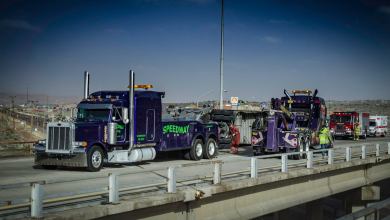
What should be a simple recovery or tow process has become an industry crisis. With predatory towing companies exploiting trucking fleets through excessive fees, cargo ransoms, and impound scams. Carriers often have no say in which towing company is called, leading to inflated invoices, trucks held hostage, and financial strain.
From $202,000 tow bills to $10,000 “ransom” demands for cargo release, these practices are draining the industry. Fleets must take proactive steps to build relationships with reputable tow providers, training drivers to document incidents, and challenging inflated invoices to protect themselves. Until stronger regulations are in place, carriers that don’t fight back are setting themselves up to lose.
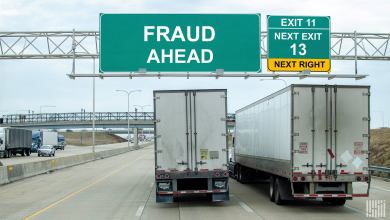
The trucking industry is under attack from rising insurance costs, cargo theft, and nuclear verdicts. Now, fraudulent staged accidents have emerged as another costly threat, orchestrated by criminal networks to exploit insurance claims and extract massive settlements. Cases like “Operation Sideswipe” in New Orleans and similar schemes in New York have cost the industry hundreds of millions of dollars.
Adding to the crisis is third-party litigation financing (TPLF), where private investors bankroll lawsuits, driving up the frequency of multi-million-dollar verdicts against carriers. However, fleets are fighting back with AI-powered dashcams from companies like Motive, providing real-time visibility, GPS tracking, and data-backed defenses against fraudulent claims.
This article talks about how dashcams are shifting the landscape, preventing staged accidents, disproving false liability claims, and helping carriers build defensible compliance programs. Read on to learn how visibility, data, and technology can protect your fleet from fraud and exposure.
The truck parking debate is always on fire but it’s heating up. While drivers struggle to find safe, available spaces after long shifts, services like Truck Parking Club, and Freight Ninja offer paid alternatives, but at what cost? Should drivers have to pay for parking, or should free options remain the standard?
This article examines the realities of truck parking from both sides, how technology is improving access and awareness but also introducing new costs for truckers already being fleeced. With margins already tight, drivers shouldn’t be nickel-and-dimed, but businesses providing secure, well-maintained lots deserve fair compensation. The key isn’t eliminating paid parking but ensuring it remains a choice, not an unavoidable expense.
From dynamic pricing models to carrier-sponsored parking, the industry has room for solutions that benefit everyone. Read on to explore the possible compromises and why a balanced approach is crucial for the future of truck parking.