




Sponsor
Friday, August 4, 2023
What Fortune 500 is learning from the automotive industry
“…at FreightVerify, it is a distinct honor to play a role in the industry’s transformation,” said FreightVerify’s Greg Nelson.
“…at FreightVerify, it is a distinct honor to play a role in the industry’s transformation,” said FreightVerify’s Greg Nelson.
This week in Borderlands: New Mexico lands first major auto parts manufacturing plant; FedEx closing facility in Texas; Nippon Express opens logistics warehouse in Arizona; and San Diego customs agent charged with taking bribes.

Most sectors, especially retail, are experiencing weakened demand and falling volumes. This is not the case for the automotive industry.

Inside this edition: Warehousing automation will be key; the automotive sector is hot for 2023; and an upsetting trend hits too close to home.
The automotive industry has been going strong while other sectors of the economy are slowing. What are some of the reasons for this and how long will it last?
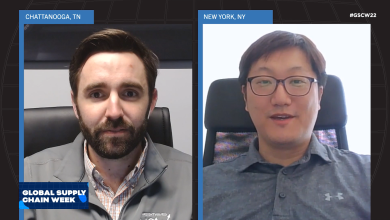
FreightWaves’ Tony Mulvey and Torqata’s Rak-Joon Choi discuss how visibility and blockchain technology are impacting the automotive industry.
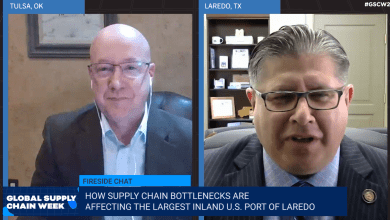
FreightWaves’ Kevin Hill and Teclo Garcia, economic development director for the city of Laredo, discuss supply chain bottlenecks during FreightWaves’ Global Supply Chain Week.

On-demand air charter companies are providing emergency parts deliveries for automakers trying to cope with demonstrations blocking a key U.S.-Canada border bridge.

The American Trucking Associations warned that supply chain disruptions caused by protesters in Canada will affect the U.S. economy.

Manufacturers are feeling the pressure to up their production big time, and that means finding ways to get around continued hurdles like shortages.

Borderlands is a weekly rundown of developments in the world of United States-Mexico cross-border trucking and trade. This week: Mexico’s automotive production hits 9-year low; Amazon begins hiring for El Paso fulfillment center; Port Houston appoints first chief business equity officer; and new Arizona distribution center to support e-commerce growth.
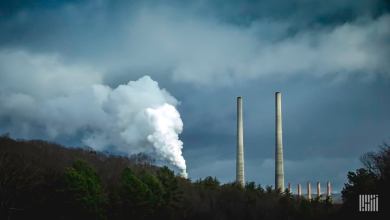
“The common agreement is that climate change is real and the need to act is now.”

Sebastian Blanco looks at how different chips can play a big role in making auto production simpler.
New car inventories are down significantly from 2019 due to manufacturing slowdowns and parts shortages. Meanwhile, demand continues to surge, with multiple used car pricing indices showing prices up about 27% year-over-year.

On this episode of Transmission, Grace Sharkey and Sebastian Blanco talk about how user interfaces are changing in the cars of the future.
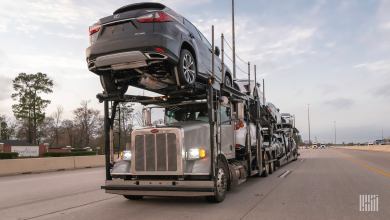
Parts shortages are beginning to let up, pointing to a looming surge in vehicle production. Still, the market is expected to remain strained for the foreseeable future.
Borderlands is a weekly rundown of developments in the world of United States-Mexico cross-border trucking and trade. This week: Chip shortage sinks Mexican auto exports in July; Bennett Motors acquires American Eagle Logistics; Yokohama opens new distribution center near Dallas; and meth, fentanyl worth $13M seized at Otay Mesa port of entry.
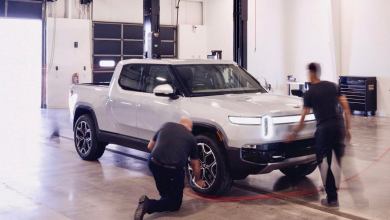
The automaker is eyeing locations in Texas and Arizona as possible sites for its second electric vehicle factory.
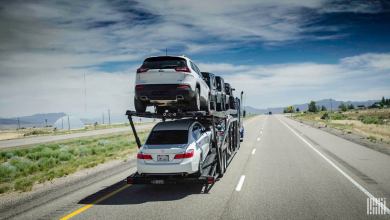
The instability of a global pandemic made it clear that up-to-date technology is required to survive, not just thrive.

Autonomous & Electric Vehicles Summit – Register Now