Maintaining valuable relationships with a TMS
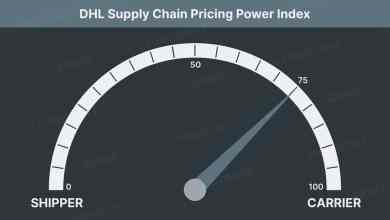
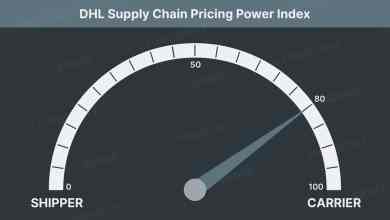
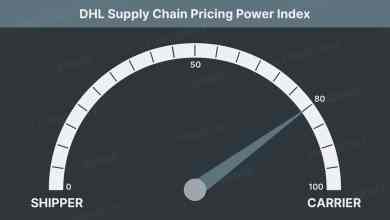
Sourcing capacity will likely prove difficult through at least the first quarter of 2022 as supply and demand struggle to strike a balance during the peak season.

Experts expect demand to continue to outpace supply through at least the first quarter of 2022.
CRST’s dedicated solutions place the individual customer at the focus to add value and maximize service.
Learn how technology and automation can help maximize profits and strengthen your partner relationships at MyBlueGrace.com
FreightWaves partnered with BlueGrace Logistics to survey shippers about their capacity strategies in the current market.
This report provides a review of truckload capacity, demand and rates for the first half of 2021.
Funding from the fifth round of FY 2021 Airport Improvement Program grants
This white paper shares the importance of visibility technology in enabling your resources to do more with their time.
The rise in volumes continues to outpace the rise in rejection rates, and spot rates keep climbing.
Picking up the phone before partnering up can help identify ill-suited broker-shipper relationships and avoid costly mistakes.
Reefer rejection rates tumbled once again over the past week, and the national reefer rejection average is now below 40% for the first time since the second week of September.
Loadshop is a growing digital freight marketplace that continues to expand its capabilities while driving efficiency and transparency for both shippers and carriers
Companies that resist technological innovation or refuse to audit their current systems at this point may be risking more than just favorable rates; they may be risking the viability of their business.
are pumping across the country, but it seems routing guides have finally shown signs of improvement. Pair the declining electronic tenders with declining tender rejections, fewer spot volumes, and both contract and spot rates headed lower, the picture of an improving environment can be visualized.
Freight demand is not going to abate in the next few months, and there will not be any meaningful addition to fleet capacity in the meantime.
Consumer spending tapered off this week, but the savings rate is so high, Americans have a war chest unlike in any recent period. And, inventories remain depleted across many segments, so the freight industry won’t feel the direct brunt of any shift back to services anytime soon.
Zach Strickland, the Sultan of SONAR, talks about what the pandemic did to supply chains.
Service-based spending categories like airlines, lodging and restaurants all were positively impacted by the stimulus, but the top 5 biggest growth segments came in goods. With the roaring consumer economy, blossoming industrial recovery, white-hot housing market and historically depleted inventories, there’s very little outside of severe inflation that could derail this trucking market.
The freight markets have reentered “chaos is business as usual” territory. All the major indices have been eerily calm since the winter storm disruption. Yearly comps are becoming more difficult given the panic buying that shot volumes and rejections up this time last year. Don’t let the weakening comps distract you, this market can’t get much better.
There are many variables converging that will keep upward pressure on spot rates and tender rejections for the coming weeks. Carriers will be able to squeeze extra cents per mile over the next couple of weeks. Assets will come back online sooner rather than later, but volumes are beginning to pick up both seasonally and due to a whipsaw effect from the storm.