




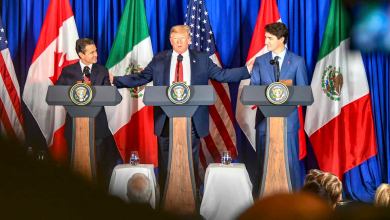
Today’s Pickup: President Trump makes push on USMCA (with video)
U.S. President Donald Trump is pushing ahead on the successor of NAFTA following the end of tariffs on Canadian and Mexican metals.
U.S. President Donald Trump is pushing ahead on the successor of NAFTA following the end of tariffs on Canadian and Mexican metals.
The trade war between China and the U.S. is having a noticeable impact on freight markets. Shippers and carriers are struggling to adapt.
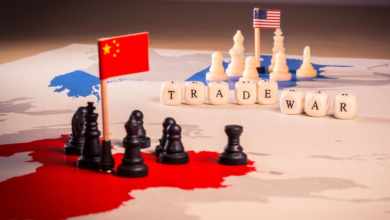
Beijing has sworn to institute countermeasures to combat a huge increase in tariffs, from 15 percent to 25 percent, that have been imposed by Washington on $200 billion worth of a wide range of Chinese goods. A set of high-level, last-minute, talks yesterday to postpone or prevent the tariffs failed.
Dry bulk shipping faced multiple headwinds in the first quarter, but NYSE-listed Scorpio Bulkers benefited from its smaller ships and its diversification into the product-tanker sector.

South Korean ocean box shipping company, Hyundai Merchant Marine, and Russian far East intermodal box transport specialist, FESCO, have announced a series of changes to their Russia-China-Korea shipping operations. Rail specialist FESCO has also announced extensive Russia-China rail services.

Three states and several utilities will study the needs of electric trucks along the I-5 corridor to make long-haul electric trucks a reality. Plus, the future of Cummins, flex fuels, and are the Chinese taking our railway jobs?

Amazon bowing out of China; U.S. doubles oil exports in 2018; electric scooters bite into dockless bike sharing market.

The industry’s hottest conference will only get hotter.

Global mega-box port operator China Merchants Port Holdings recorded a 6 percent increase in its world box throughput in 2018 compared to the year before. The Hong Kong Stock Exchange-listed port operator revealed its throughput details while disclosing that it had generated revenues of HK$10.16 billion (US$1.29 billion) in its annual report.
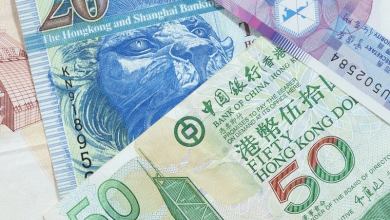
Ports, logistics and finance conglomerate China Merchants Port Holdings announced a massive jump in operating revenues and a rise in profits for the year ended December 31, 2018. Hong Kong Stock Exchange-listed China Merchants, which operates box and bulk ports primarily in China but also around the world, reported revenues of HK$10.16 billion (US$1.29 billion). That’s a 16.9 percent increase on the previous calendar year’s figure of HK$8.7 billion.
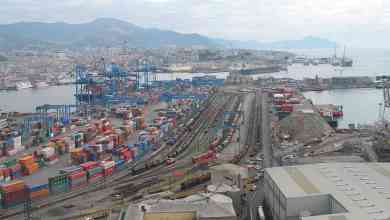
Italy’s buy-in on major project boost China’s place in world maritime trade, but Western powers decry what some call ‘vanity project.’

Trucks designed to haul freight on highways are becoming much more sophisticated in China. Thanks to standardization, trucks now have the ability to do drop and hook, according to Perkins. Trucks are also being upgraded to more modern emissions systems.

Chinese buses reduce oil demand by 270,000 barrels a day; Lyft has disclosed business risks ahead of IPO; Ford to expand electric-vehicle production at Michigan plant.
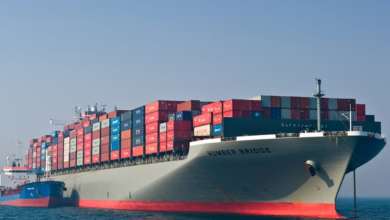
International oil major BP has announced that it will retail a new very low sulfur fuel oil following successful sea trials, however, it has not released a date when sales will begin. The fuel will have a maximum sulfur content of 0.5 percent and will be sold by BP around the world. BP is one of several refiners, such as Shell and Sinopec, that are offering or are researching low-sulfur fuel.
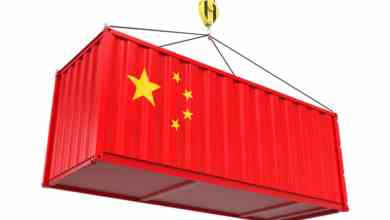
Down, down, down – freight rates are down, nearly across the board, on export and import routes to and from China, according to indices published by the Shanghai Shipping Exchange.
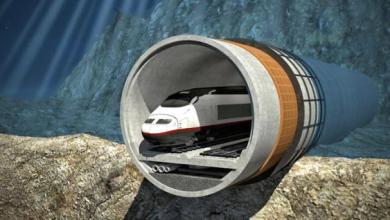
The FinEst Bay Area has secured a $17 billion financing for the world’s longest undersea tunnel between Finland and Estonia from a large Chinese private equity firm. This is yet another example of the Chinese interest in European infrastructure, a possible extension to their grand OBOR initiative.

The annual deficit in goods and services increased by $68.8 billion, or 12.5 percent, according to Commerce Department data released today.

Freight rates for biggest ships fall below those of smaller ships, but that is set up for rebound, market experts say.

Political tensions in the Washington-Beijing bilateral relationship are making the China-based U.S. business community uneasy. Tariffs are being blamed for driving business confidence down, decreasing investment and for re-routing Asia-Pacific supply chains.
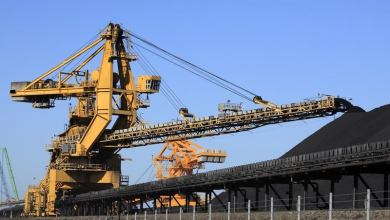
Widespread jitters in the Australian political and business communities that China may have banned imports of Australian coal now appear to be unfounded. Customs clearance delays at Dalian are happening owing to entirely “normal” reasons and coal cargo can be re-routed around a given port anyway, coal mining and coal transport executives have explained to FreightWaves.