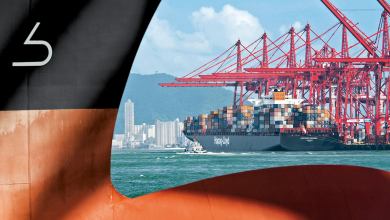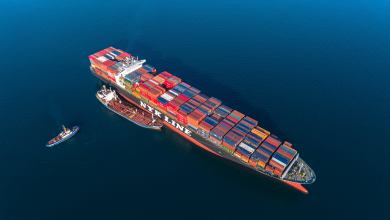
The sinking price of ship fuel: Near prewar levels after summer plunge
The cost of marine fuels is down sharply from the wartime peak, except for ‘clean’ LNG, which is getting even more expensive.
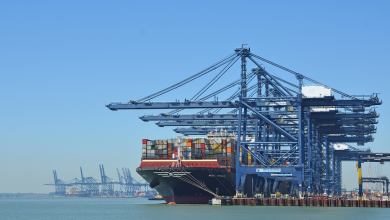
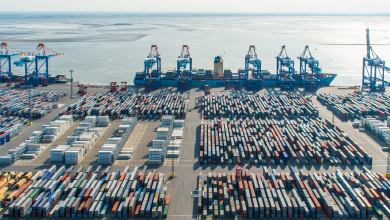
Workers responsible for the transport of goods have pushed back on wage offers in recent months, but the flow of trade is choking in this tug of the purse strings between employers and labor.
Spot rates on most global shipping routes continue to fall. The trans-Atlantic market is the exception: It’s holding firm near its high.
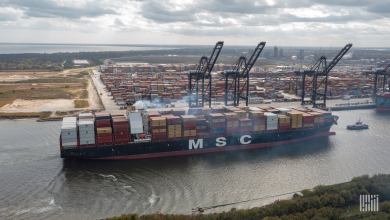
Ports in Houston, Corpus Christi, Texas, and Mobile, Alabama, continued to see increased cargo volume in July.
U.S. imports accelerated in July, with inbound cargo from China reaching a year-to-date high, according to Descartes.
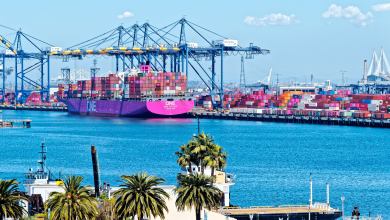
With East Coast ship queues high, port executive Gene Seroka says: “For cargo owners looking to rechart their course, come to Los Angeles.”
The Freightos Baltic Index (FBX) is the world’s leading—and most accurate—index of market rates for 40′ containers.
The latest shipping company poised to delist has a market cap of $3.5 billion. The latest new entrant’s market cap is under $20 million.
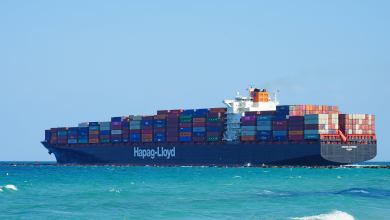
Hapag-Lloyd bookings point to a gradual unwind of the container shipping boom, not a crash.
Tankers stocks are doing great. Dry bulk and container stocks temporarily stopped the bleeding. “Maxim stocks” still underperform.
Port congestion and voyage cancellations by shipping lines are preventing a steeper slide in spot container freight rates.
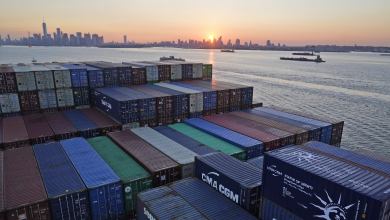
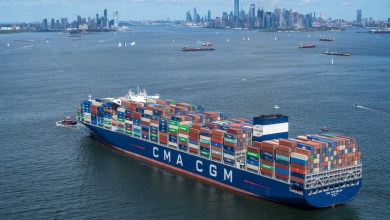
The Port of New York and New Jersey is seeing an increased amount of imports, but they are not hitting the truckload market.
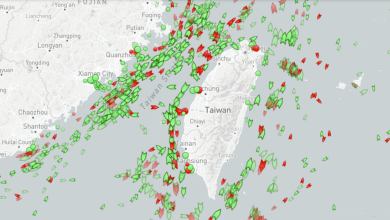
Chinese military exercises in the Taiwan Strait will delay shipments. Further escalation could have dramatic supply chain effects.
Container shipping giant Maersk sees continued strength in U.S. imports and ongoing supply chain disruptions globally.
The Freightos Baltic Index (FBX) is the world’s leading—and most accurate—index of market rates for 40′ containers.
The Port of New York and New Jersey has announced a container fee on long-dwelling import or export containers, aiming to reduce an excess of empty containers dwelling at the port and free up space for container pickup.
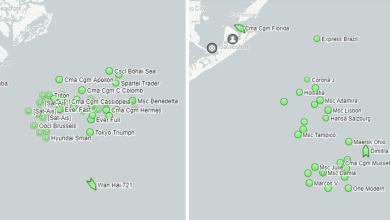
The drop in ships waiting off Southern California is deceiving. The number of ships off all three coasts is back to all-time highs.
Shipping lines are still racking up extraordinary profits. Hapag-Lloyd forecasts continued strength in the second half.
Last year was historically strong for some maritime businesses, terrible for others. No matter what the sector, maritime CEOs made millions.
Kuehne + Nagel continued profit growth in Q2 by charging customers more for extra service to keep supply chains fluid.