Cass Truckload Linehaul Index implies 2020 may get tougher for many carriers
A decline in contract rates that were implemented prior to the COVID-19 outbreak may make this year tighter for carriers.
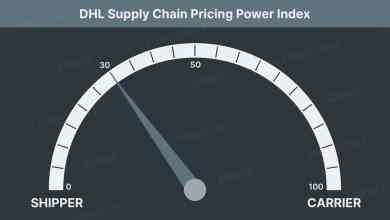

The carriers gained pricing power this week on the back of surging volumes. Capacity remains loose although tightening each of the past five weeks.
Many expected a worse outcome for carriers in March as a result of the COVID-19 outbreak. Ironically, the pandemic may have padded some 1Q results.
Tender rejections are often a leading indicator of spot rates and thus contract rates at a lag.
The company describes Winmore 360° as the world’s first LSP-focused integrated software for every stage of the transportation RFP process and tendered lifecycle.
In the over-the-road truckload for-hire market, there are two major types of trucking rates: contract and spot
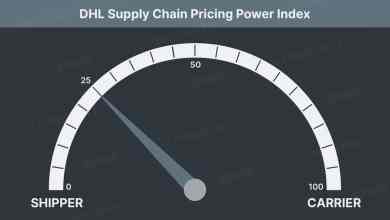
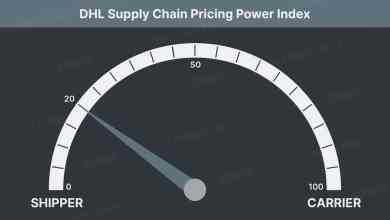
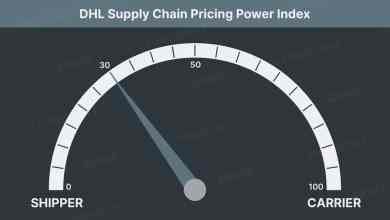
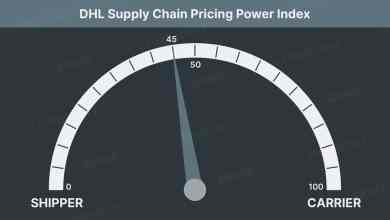
The DHL Supply Chain Pricing Power Index moves towards the carriers for the first time since early September.
Gross revenue and margins are in the most difficult stage of the cycle right now.
Third-quarter earnings reports and economic data swing in carriers’ direction, but not enough to move the needle in this week’s DHL Supply Chain Pricing Power Index.
XPO Logistics stays ahead of macro weakness as net income, EPS jump in q3
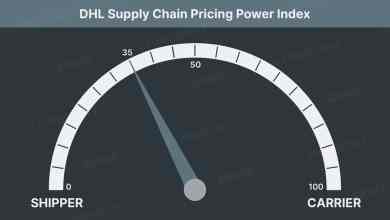
Last Week’s Pricing Power Index: 35 (Shippers) The trucking industry operates in a market based on real-time demand and supply. When demand is higher than capacity, carriers gain negotiating power for rates. When supply is higher than demand, shippers gain negotiating power for rates. FreightWaves’ Pricing Power Index uses the analytics and data contained in […]
The weekly FreightWaves Pricing Power Index jumps 10 points in favor of carriers.
Brokers’ gross margins will compress unless they get shippers on board.
The FreightWaves Pricing Power Index is a new weekly feature that highlights the balance of power between shippers and carriers.
FreightWaves Freight Intel Group predicts an increase in trucking company failures in 2019. Read why they make that prediction in this article.
FreightWaves has also observed downward pressure on contract rates and the beginning of a capacity bleed-off.
Rate increases are slowing and could even turn negative later this year, although fleet profits should remain strong for much of the year.
The boundary between spot and contract pricing is always shifting, especially when freight markets are volatile.
Robinson sees low to mid single-digit contract gains, soft spot pricing, Biesterfeld says.
Access to data has improved market transparency, and recent spikes in volatility make the case that transportation costs must be hedged and de-risked.