Will Hurricane Ida cause carriers to chase FEMA relief loads?
Will Hurricane Ida impact freight contracts? Will carriers move from shippers’ contracted freight to the spot market?

The rise in volumes continues to outpace the rise in rejection rates, and spot rates keep climbing.
There is a true broker-to-carrier contract rate that reflects the model of our industry. That rate distorts the true spot rate and should account for maybe two-thirds of the rates brokers provide to benchmarking tools.
Rapidly changing shipping patterns and cost structures have made historical comparisons much more challenging for the freight market.
Beginning in the second quarter, there was a notable shift in the types of loads shippers were tendering. Why would this assist with increasing compliance?
We’re two weeks into the third quarter, a time when seasonal freight movement moderates ahead of the back-to-school season and the eventual peak holiday season. Thus far, the moderation simply hasn’t materialized.
Shippers may have had a little more success with contracted carriers in May, but it came at a high cost.
Here’s a closer look at the difference between spot and contracted freight rates.
Transportation rates continue to climb while service is at an all-time low. Shippers will have to be aggressive in devising new strategies to keep costs under control.
The Outbound Tender Reject Index has declined substantially since the beginning of the year. This shouldn’t be seen as a sign of a material capacity loosening, rather an effect of the ongoing rebid season pushing contract rates higher.
Reefer spot volume volatility has exploded across the nation over the past week.
In today’s edition of The Daily Dash, spot rates could be heading higher yet again. Plus, truckload carriers wonder if we are in peak season or a new normal; and a Texas group tackles tort reform.
Both truckload tenders and tender rejections rose this week. If spot rates are to continue the succinct but lagging dance with tender rejections, we should see spot rates inflate over the next two weeks. Also, with Thanksgiving just a week away, drivers will be seeking freight that drives them toward home, which typically pushes rejections and spot rates higher.
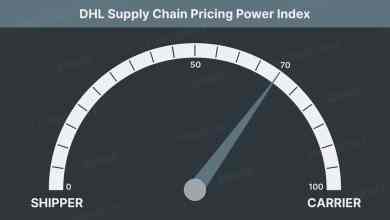
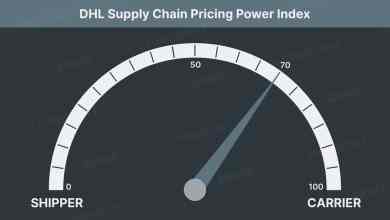
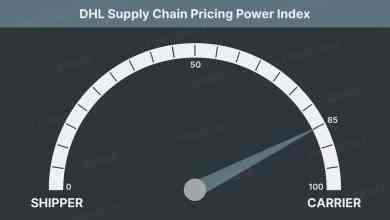
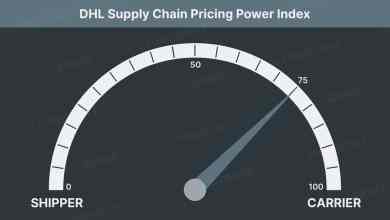
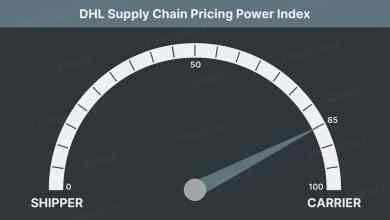
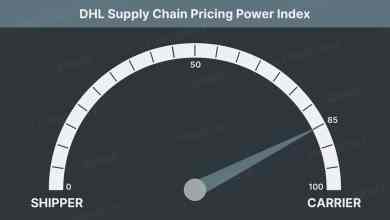
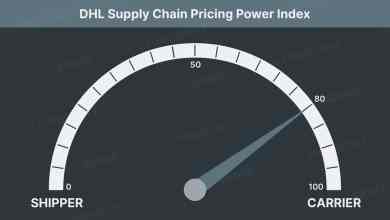
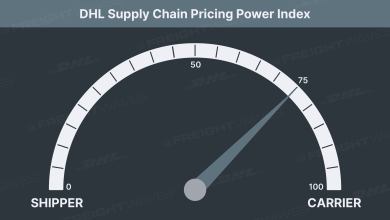
This week’s DHL Supply Chain Pricing Power Index: 75 (Carriers) Last week’s DHL Supply Chain Pricing Power Index: 80 (Carriers) Three-month DHL Supply Chain Pricing Power Index Outlook: 75 (Carriers) The DHL Supply Chain Pricing Power Index uses the analytics and data in FreightWaves SONAR to analyze the market and estimate the negotiating power for […]
Trucking spot rates are averaging well over what they were a year ago implying many shippers will see rates increase next year. How much will it be?
Transparency is at the foundation of all excellent relationships. When there are grievances within the supply chain, an open line of communication and a commitment to more transparent, intentional dealings is the key to our collective success.
We have gotten word that carriers are holding capacity until the end of the day before auctioning it to the highest bidder. Rates are nearing $3 per mile on a national level, and rates are already above that in 51 of 100 Truckstop.com lane pairings.
Carriers are rejecting as much freight now than at any point in the past three years. Spot rates poised to break $3/mile on a national level.
Driver wages are holding steady during the coronavirus pandemic, but care for safety is where priority should remain, says CEO of National Transportation Institute.
There is no change in the Pricing Power Index this week despite a continuation of the trends we’ve seen over the past few weeks: astounding volumes, carriers rejecting contracted freight at a high clip and rates continuing to trudge upward.