





Stuart Chirls
Monday, August 10, 2026
AAR launches freight rail research consortium
Rail industry trade group in research partnership with major universities.
Rail industry trade group in research partnership with major universities.

Several types of publicly available data recorded by the Federal Motor Carrier Safety Administration have seemingly vanished from the Department of Transportation’s website.
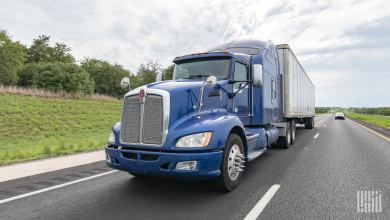
Modern tour planning tools — like HERE Tour Planning API — make next-generation route visibility and optimization possible.

Neither DAT nor Convoy would be able to refile lawsuits against each other that they have agreed to drop.
Common misconceptions around data quality and connectivity stand in the way of maximizing value from visibility solutions and improving overall supply chain performance.

While every sector has seen its fair share of upgrades, challenging and shifting priorities, the ocean environment has proven especially rife for change.
TriumphPay and Highway join forces to create an exclusive algorithm that will combat double brokering.

FLS Transport Services offers a free KPI scorecard to shippers.
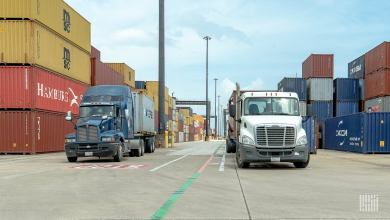
Last year’s peak retail season stands apart from previous years in that there wasn’t much of a “peak” at all.

BoxC’s data-sharing initiative with the FDA showcases the growing need for government regulators to work with supply chains to fix operational inefficiencies.

Knowing what the customer wants and when was once a relatively easy thing to predict. COVID has changed all that.
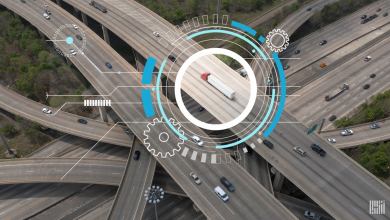
Gathering data for accurate emissions calculations is complicated and time consuming. Standardization could make it easier.
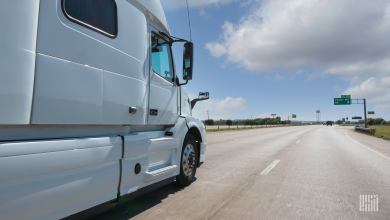
Partnering with the right carriers can be a complex decision, and making the wrong choice can easily threaten a shipper’s bottom line.

Experts discuss the challenges facing carriers and shippers when it comes to measuring emissions and why it matters.

FreightWaves founder and CEO Craig Fuller chats with Billy Beane, executive vice president of baseball operations for the Oakland A’s, about how the A’s used data to help configure championship-winning teams.

Using data to optimize supply chain efficiencies can reduce costs and greenhouse gas emissions.
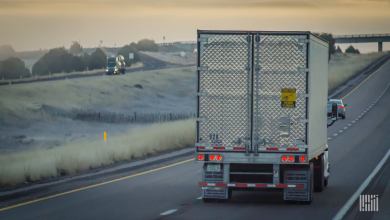
Building the most effective RFPs possible requires self-awareness, attention to detail, industry insights and a willingness to adopt new technologies.

Emissions tracking and sustainability experts discuss the importance of tracking emissions and using that data to make informed decisions.
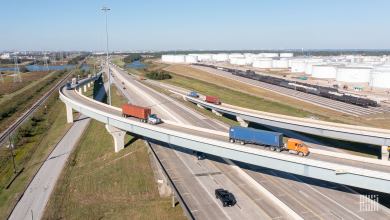
AIT Worldwide Logistics plans to use carbon offsets and emission-reduction strategies to reach net-zero emissions by 2035.

In a constrained market environment like the one seen over the past couple of years, shippers are always looking to cut costs and gain more bargaining power. That makes granular insights more important than ever.