




Stuart Chirls
Friday, October 25, 2024
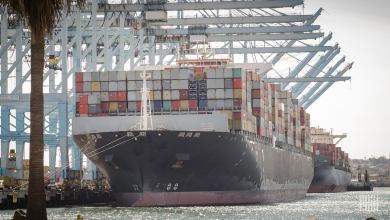
FEMA awards $2.6M security grant to Port of Long Beach
Funding from FEMA will help protect operations and infrastructure at the second-busiest U.S. container hub.
Funding from FEMA will help protect operations and infrastructure at the second-busiest U.S. container hub.
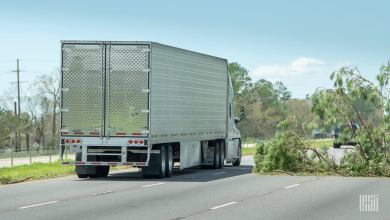
Hurricane Milton was the third large disruptor to transportation markets in three weeks. What happens next?

To view more FreightWaves infographics, click here
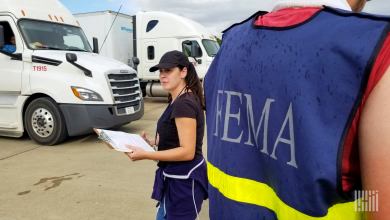
Here are a few tips to keep in mind for fleets considering to haul a load for FEMA or any other disaster relief project

On the 22nd anniversary of the 9/11 attacks, truck driver Russell Vereen reflects on the 205 days he spent working at a refrigerated trailer morgue at ground zero, ensuring the trailers were fueled and running and storing the remains that medical personnel worked tirelessly to identify.
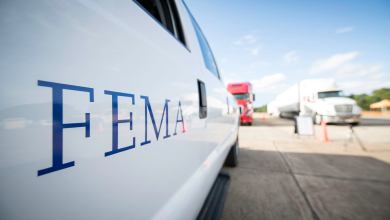
Even as city, state and federal officials urge residents to flee ahead of high winds and flooding, truck drivers answer the call to haul Federal Emergency Management Agency (FEMA) loads to areas where hurricanes are expected to strike.

U.S. law protects American carriers from foreign competition on domestic routes. Two carriers want the government to give them first crack at contracts to fly disaster relief to Guam.

urricane season can frequently — and unexpectedly — change the trucking dynamic. Part of this involves the positioning of equipment in anticipation for hauling FEMA freight.

Hurricane relief trucking is filled with chaos and disruptions to normal operations and requires specialists that can handle the massive surges and lack of forward planning.
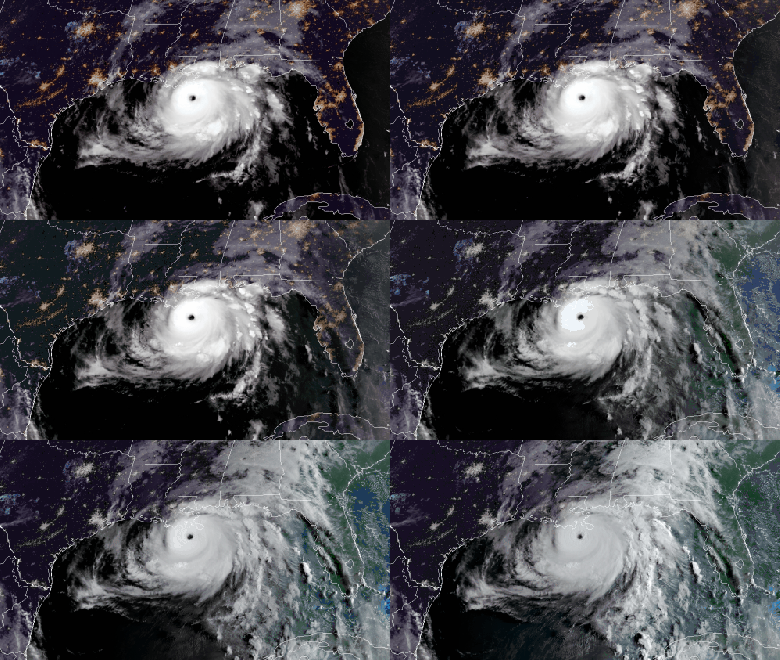
Will Hurricane Ida impact freight contracts? Will carriers move from shippers’ contracted freight to the spot market?

Hurricane Ida is about to hit. Emergency relief will not be far behind. Read tips about trucking into a hurricane relief effort.

OOIDA testifies on vaccine and truck parking concerns before the House transportation committee.
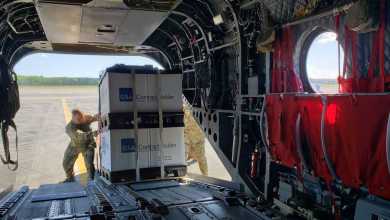
FEMA is trying to plan ahead for supply chain bottlenecks related to pandemic response and says it needs private sector help. New antitrust immunity on information-sharing should help.
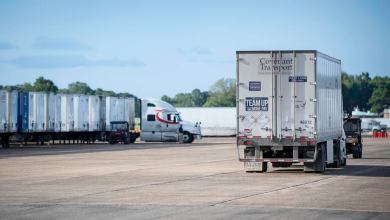
Hurricane Laura hit at a time when trucking capacity is unusually tight, a fact that may hinder the recovery efforts.
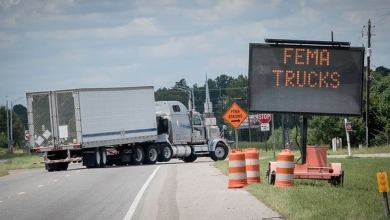
While hurricanes produce an abundance of freight-hauling opportunities, truckers should understand it’s best to hunker down before hitting the load boards.
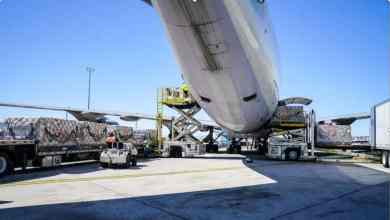
Personal protective equipment is moving by ocean, so FEMA doesn’t need to charter expensive freighter aircraft anymore to get the stuff to healthcare workers.
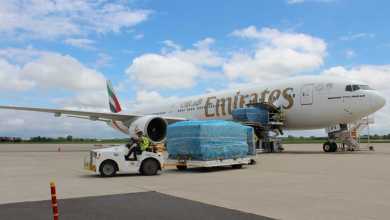
“Our forte is turning freight from plane to truck and getting it on the road to its end user quickly,” said Bryan Schreiber of Columbus Regional Airport Authority (CRAA).
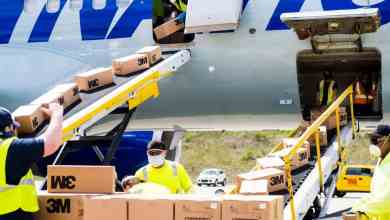
Secondary airports are increasingly being used by all-cargo carriers supporting the government’s coronavirus logistics mission.
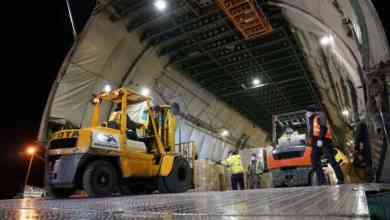
The U.S. government, hospitals and aid groups are relying on UPS, Atlas Air and other airfreight to speed deliveries of critical supplies.
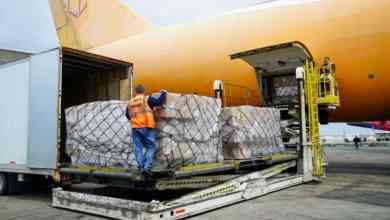
While FEMA is working to airlift medical supplies from international sources, the White House doesn’t want to share equipment with other countries that may be in need. But don’t blame logistics providers like FedEx, which are executing on their logistics contracts.