For Nikola, the writing was on the wall
Recent filings paint a stark picture of Nikola’s financial woes, with assets estimated between $500 million and $1 billion against liabilities ranging from $1 billion to $10 billion.
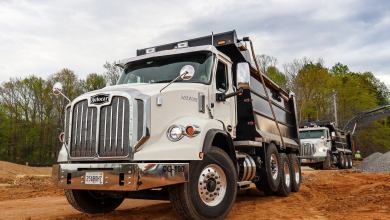
Nikola, a Phoenix-based manufacturer of zero-emissions trucks, announced it will pursue an auction and sale process for its assets as it grapples with ongoing financial difficulties.
General Motors and Autocar Industries are collaborating to create a range of hydrogen powered heavy-duty vehicles.
Hydrogen’s historical link to the Hindenburg disaster is receding as its use as a transportation fuel grows.
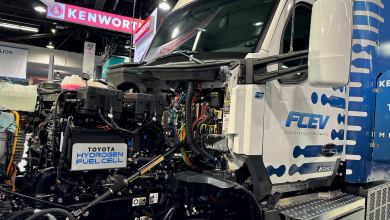
Once dismissed as a far-off technology, hydrogen fuel cells and infrastructure are getting buzz at the Advanced Clean Transportation Expo.
Transportation secretary takes on lawmakers’ concerns on truck and rail issues while defending his department’s $145 billion fiscal year 2024 budget request.
Advantages of hydrogen-electric trucks were touted at Senate hearing while ATA warned against aggressive timelines.
Nikola Corp. is laying off 7% of its workforce and slowing electric production because making more increases the loss.
A few days in Germany revealed an inconvenient truth about real-world applications of battery-electric and hydrogen-powered trucks.
While hydrogen fuel cells offer a promising alternative to ozone-threatening diesel engines, creating an electric-friendly infrastructure will require dedication from government regulators, equipment manufacturers and industry players alike.
Electric truck maker Nikola projects it will build 300-500 battery-electric trucks this year and post up to $150 million in revenue.
Fuel savings realized from the SuperTruck II program could translate to less battery mass and greater driving range for electric trucks.
Truck Talk is a FreightWaves’ newsletter covering the trucking ecosystem with perspective and context.
An “unprecedented outlook for hydrogen fueling station network development in California” contains bold expansion plans for the state. The California Air Resources Board report expects to see capacity for 250,000 fuel cell electric vehicles by 2026.
The automaker is committing to hydrogen as its fuel of the future — and not just for its commercial vehicles.
As hydrogen grows as a fuel source for long-haul trucking, Nikola Motor Corp. is finding ways to bring down the cost of manufacturing the fuel.
A Shell and Deloitte joint study addresses economic, technical and regulatory factors related to decarbonizing road freight.
Plug Power’s hydrogen solutions are expanding into Walmart e-commerce applications after proving effective in the company’s grocery and retail networks.
The European Commission has released its Sustainable and Smart Mobility Strategy. Massive investments and infrastructure are needed to meet the EU Commission’s sustainability milestones.