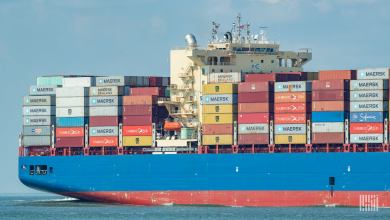
Chance that container ship arrives on time is still a coin toss
Container shipping lines are gradually getting their services back on schedule, but they still have a long way to go.
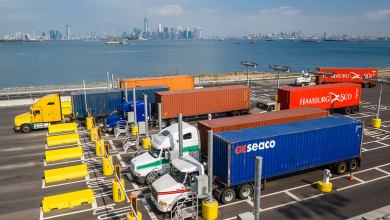
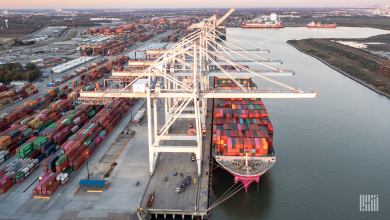
GCT will sell its terminal operations in Staten Island, New York, and Bayonne, New Jersey, to shipping giant CMA CGM.
Imports remain 7% higher than pre-pandemic levels, with volumes steadying last month after September’s plunge.
East and Gulf coast ports handled more volume than ever before in August, pulling far ahead of West Coast rivals.
Spot container rates for U.S.-bound cargoes are falling fast, yet import numbers at U.S. ports remain near their peak.
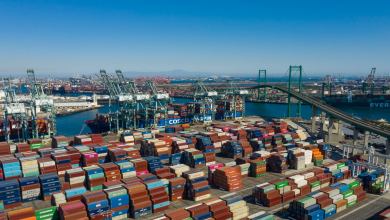
California’s container-ship traffic jam is almost gone, replaced by stubbornly high backlogs off the East and Gulf coasts.
Importers have been shifting to the East Coast since 2021, but the full realization of this has peaked over the summer. The shifting import pattern has strong downstream effects for surface transportation providers.
Trucking companies want the FMC to require better container storage data from the ocean carriers to speed cargo flow at the Port of New York and New Jersey.
Spot rates on most global shipping routes continue to fall. The trans-Atlantic market is the exception: It’s holding firm near its high.
U.S. imports accelerated in July, with inbound cargo from China reaching a year-to-date high, according to Descartes.
Federal regulators are considering a congestion emergency order to require carriers to share cargo data with shippers, railroads and trucks.
A traditionally strong backhaul market, San Antonio experiences headhaul market activity for the first time, and the amount of imports diverted to Gulf ports is being felt in the truckload market.
Federal regulators are pressuring carriers at the Port of New York and New Jersey to compensate shippers and carriers for container storage.
The Port of New York and New Jersey has announced a container fee on long-dwelling import or export containers, aiming to reduce an excess of empty containers dwelling at the port and free up space for container pickup.
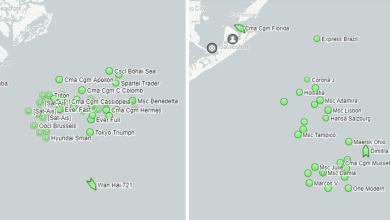
The drop in ships waiting off Southern California is deceiving. The number of ships off all three coasts is back to all-time highs.
America’s goods imports hit a capacity ceiling during the COVID-era boom. Volumes are still bouncing around near the top.
Higher amounts of loaded imports and empty export boxes contributed to a nearly 15% increase in volumes.
There were 125 container ships waiting offshore on Friday, including 36 off Savannah, 24 off Southern California and 20 each off Houston and New York.
Port of New York and New Jersey executive director says the flow of trade originally bound for the West Coast and redirected to the East Coast has been substantial.
May was one of the busiest months in history for the container ports of Long Beach and Charleston.