Commentary: What is the risk to rail freight volume?
The coronavirus is impacting all sectors of the economy, and railroads are no different. Read what expert Jim Blaze thinks will happen going forward.
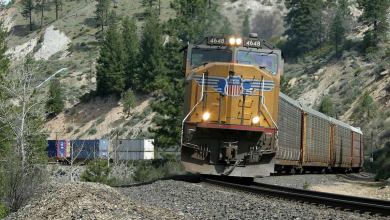
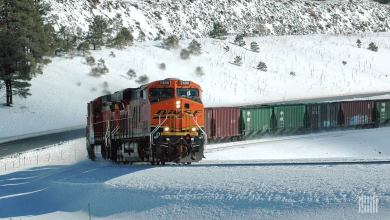
The pandemic may put pressure on U.S. rail volumes, particularly for commodities that support consumer goods, says an Association of American Railroads executive.
Should the railroads pare the number of types of railcars? Jim Blaze explores this topic.
Intermodal volumes slump as the coronavirus cuts North American import and export volume.
Are there too many railroad freight cars? Jim Blaze writes about many reasons why this is the case.
The drop in weekly intermodal volumes in North America could be a reflection of the impact of coronavirus on the supply chain.
Jim Blaze writes about the outlook for intermodal rail in 2020.
Excluding coal carloads, U.S. carloads in February fell only 0.8% from last year, according to the Association of American Railroads.
FreightWaves Market Expert Mike Baudendistel writes about the issues impacting rail intermodal in 2020, and the ongoing battle between the railroads and the trucking industry.
U.S. rail traffic maintains its slump for another week
In the past 30 years railroad freight cars have been able to carry heavier loads, thanks to decisions made in the late 1980s. Read Jim Blaze’s article about what happened and how it has been very important to the railroads.
Uncertainty is still an underlying theme facing North American freight railroads.
Year-to-date U.S. rail traffic is over 6% lower than the same period in 2019.
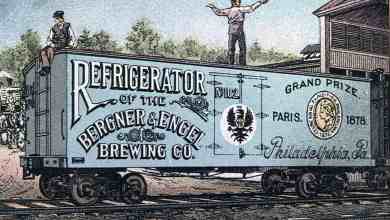
Railroads once carried much of the fresh produce across the U.S. Can they do it again? Jim Blaze explores the topic in his latest commentary.
Jim Blaze writes about the transportation of hazardous materials by rail. Accidents have occurred, and the railroads need to continue to work to decrease their number. However, rail is the safest way to transport hazardous materials.
Year-to-date U.S. rail volumes are still sluggish, and the effect of the coronavirus on intermodal volumes remains unclear.
Jim Blaze explores whether the Class 1 railroads are downsizing their railcar fleets.
Trade uncertainties, softness in the manufacturing sector contributed to lower rail volumes in January.
Jim Blaze writes about the long, slow decline of coal as the key commodity for railroads, and whether plastics might replace the lost volume.
FreightWaves SONAR has new information for subscribers.