Trucking carriers shift capacity to capture port volumes
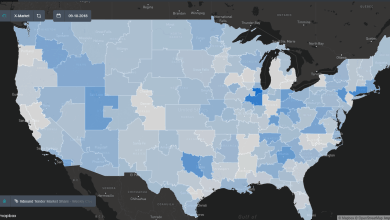
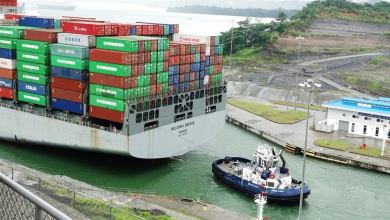
As we approach the holiday retail season, carriers and brokers have shifted their attention to the country’s major ports to capture upward volatility in trucking volumes.
Overall truckload volumes and spot rates are soft, but a huge wave of containers hit the West Coast in September, retail demand is strong, and additions to the national fleet of drivers have been marginal.
In Partnership with Arrive Logistics… we talk freight market data with executives from Arrive Logistics and ask them how they’re preparing to handle surging volumes in Q4 and beyond.
The investment bank issued a report this morning calling for one more spot rate peak in the fourth quarter, followed by a softer 2019 that should still be 12% above the 2012-7 cycle. New price targets were also issued.
Coyote’s new white paper contains a stark warning to truckers and an optimistic promise to shippers, predicting a rapid collapse of spot rates.
Hurricane Florence bears down on the Carolinas. Freight markets are reacting before the first rain drops have fallen.
K & L Freight has invested heavily in technology and data and grown 5x in the past two years. The next step is offering financial services to help their shipper customers hedge against spot market volatility.
SONAR’s new index shows the cost difference for Asian exporters moving goods into East Coast or West Coast ports. When combined with trucking spot prices, the Panama spread helps explain recent shifts in trade flows.
This week’s freight market continues the same patter toward stability, but volume remains steady as we move towards a more volatile time of year.
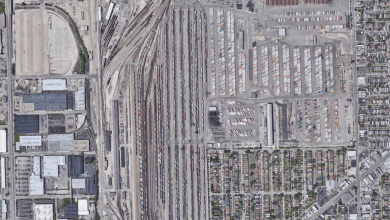
Intermodal tightness has pumped the hub of hubs, the Chicago freight market especially on lanes paralleling major railroads; meanwhile a minor heatwave in St. Louis may have been behind a massive surge in reefer turndowns.
Sophisticated freight brokerages can widen their margins when rates soften faster than shippers realize, but now’s a risky time to quote spot loads, because historical data suggests the market is about to tighten again.
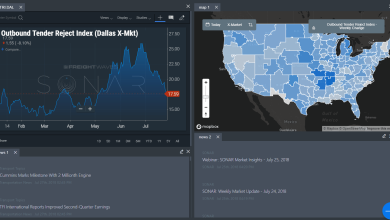
Introducing the latest additions to our SONAR platform: DAT lane pricing / Lane Tender Rejection Rates
Turndowns and spot rates are surging out of Atlanta on strong container volumes from Savannah and Georgia onion harvests. Capacity is so tight nationwide that even small movements in demand are having outsize effects on tender rejections and prices.
The Mother’s Day demand for reefer trucks full of flowers has stressed an already tight capacity segment that is hauling record fruit and vegetable tonnage. The result? An unprecedented spike in reefer spot rates.
Earnings season is here; UPS posts 13th quarter of double digit growth; Knight-Swift finds synergies; Maersk trials autonomous ships; the Mustang is the last Ford car left; Barclays and Goldman Sachs collab on data standards for derivatives and blockchain; Union Pacific beats the Street.
The Rose Acre Farms egg recall had im-peck-able timing occuring right after the Easter season. Here is how the freight industry had a hand in egg price increases.
Trucking employment has grown a healthy 32% since 2012, but very small and small fleets are absorbing the new drivers, leaving large carriers struggling to seat their trucks.
DAT reported flat to lower rates in this weeks national averages. The TRI has been suggesting a softening market for the past few weeks.
The spot market is normalizing; XPO’s Brad Jacobs talks jazz and M&A; China COSCO’s purchase of OOCL might be held up; railroad Teamsters want NAFTA changes; weak spot rates for container ships pulling down contract negotiations; Xi looks for a way out of the trade war.
There’s a quiet spot market nationally, but we’re seeing significant upward movement for reefers coming out of California’s agricultural regions.