‘Fear and uncertainty’ driving up China-US container rates
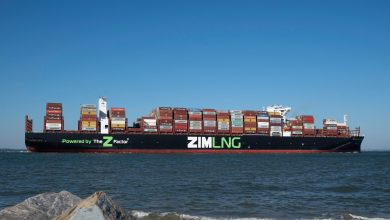
Carriers are pushing for big increases in the Asia-U.S. trade, but it remains to be seen how desperate shippers are to secure capacity, says a Xeneta analyst.
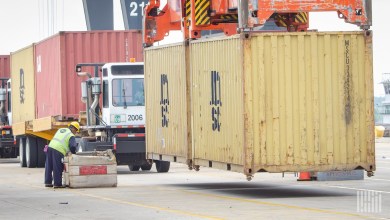

An analyst says moves by shippers to redirect China exports and by carriers to blank sailings will only shore up container rates in the short term.
While Red Sea conflict and the U.S. trade war depress container shipping rates, logistics services providers advise short-term flexibility to leverage emerging opportunities.
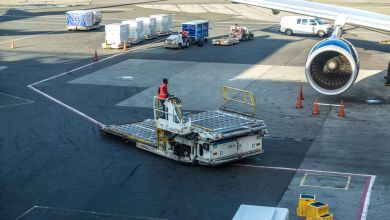
January is normally a slow month for international airfreight, but demand and rates are holding up after the holiday peak season as shippers pull forward orders from China to avoid tariffs and manufacturing delays.
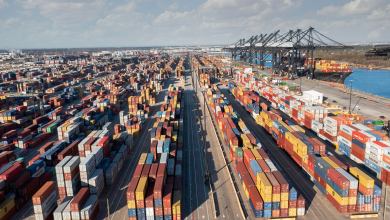
A compromise by the ILA and USMX on automation has settled global concerns over a potential strike at U.S. East and Gulf Coast ports.
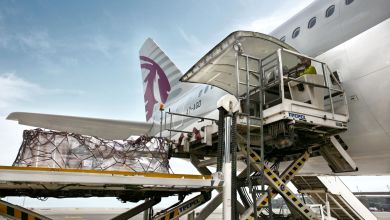
The air logistics sector has been riding high all year, but market watchers caution that growth in 2025 could slow sharply.
This week in Borderlands: Container shipments from China to Mexico skyrocketed in January; construction set for border logistics park in West Texas; Nippon Steel set to build $71M plant in Mexico; and China-based auto supplier announces $178M investment in Mexico.
The combination of Red Sea detours and Panama Canal restrictions is having a knock-on effect: higher Asia-West Coast rates.
The key question for container shipping rates: How soon can Operation Prosperity Guardian woo traffic back to the Red Sea?
After two consecutive years of negative growth, air cargo is shaping up for a rebound in 2024, according to the International Air Transport Association and industry experts.
The recent rate rebound turned out to be fleeting. As rates deteriorate yet again, shipping lines face mounting losses.
After double-digit gains since June, trans-Pacific spot rates have just surpassed contract rates, according to Xeneta data.
June volumes of containerized imports were higher than normal and the National Retail Federation predicts more gains ahead.
Cargo airlines and third-party logistics providers are crossing their fingers for a resurgence of air shipments by October. But indications are increasing that the peak season may go out with a whimper.
Demand remains tepid, yet shipping lines have pushed spot rates off the bottom and secured contract rates above spot levels.
Not all cargo markets are back to pre-COVID “normal.” Container shipping rates to South America remain elevated.
The Europe-U.S. trade held up a lot longer than the Asia-U.S. trade, but trans-Atlantic premiums are now fading away.
“We are starting to see ocean carriers systematically take geopolitical risk into consideration,” says Xeneta’s Erik Devetak.
Two container shipping experts give their take on how the hangover after the pandemic boom could play out.
Business is very soft in the air cargo sector and likely to get softer still, but there are signs that demand could spark up in the second half of the year.