




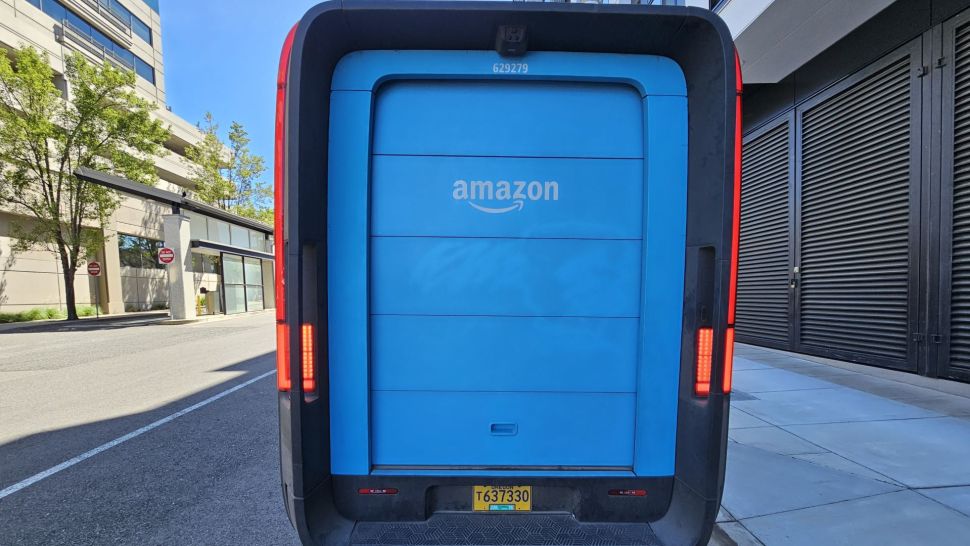
Amazon has reached its goal of offering same-day delivery of fresh groceries to 2,300 cities and towns by the end of the year, more than doubling its previous reach. A secondary benefit of the service is that users are more likely to also use the company for parcel delivery of regular merchandise.
In four months, the e-commerce giant has grown same-day availability for perishables to 2,300 areas, up from 1,000 communities when it announced the planned expansion in August, according to an article last week on its blog page. The latest phase of the roll out brought same-day grocery delivery to places like Boise, Idaho; Salt Lake City; Fort Collins, Colorado; Omaha, Nebraska; Sugar Land, Texas; Des Moines, Iowa; Kennesaw, Georgia; Gaithersburg, Maryland; and their surrounding areas.
The Amazon (NASDAQ: AMZN) service now offers a 30% larger selection of perishable goods than in August, primarily sourced from Whole Foods Market. Customers can combine groceries with general merchandise in a single order.
The expansion into same-day delivery is made possible by improvements to Amazon’s temperature-controlled delivery network, last-mile delivery partnerships and ability to offer more selection, according to analysts and the company.
Prime members with access to fresh delivery can order fresh fruits, vegetables, dairy, meat, seafood, baked goods, and frozen foods alongside dry goods and other products. They receive same-day delivery for free on orders over $25 in most areas. If an order doesn’t meet the minimum, members can still choose same-day delivery for a $2.99 fee. Non-Prime customers pay $12.99 for the service.
Amazon said perishable grocery sales have grown 30 times since January as more customers to same-day delivery for convenience. The service’s popularity is demonstrated by the fact that customers who add fresh groceries to their same-day delivery orders shop about twice as often as those who don’t.
Investments in grocery delivery allows Amazon to compete in the grocery segment with fewer stores and achieve the scale necessary to maintain profit margins and take on competitors like Instacart, analysts say. Amazon is currently testing 30-minute delivery in Philadelphia and Seattle.
“We continue to see this grocery expansion as a Trojan horse encroaching on parcel carriers’ share if customers’ reliance on Amazon for groceries extends to non-grocery items as well,” Morgan Stanley freight analyst Ravi Shanker wrote in a research note. Parcel carriers like FedEx and UPS, already under pressure from large retailers and independent couriers, could face more business loss if Walmart and Target also bundle grocery and non-grocery shopping baskets in their digital marketplaces, he added.
“We’re seeing customers combine their fresh grocery orders with their regular Amazon purchases, like electronics, gifts, clothes, and household essentials, in ways that make their lives easier and save them valuable time,” Doug Herrington, CEO of Worldwide Amazon Stores, said in the blog post.
In May, Amazon announced a $4 billion investment to expand its rural parcel delivery network by the end of 2026.
“If this rural initiative is eventually integrated with its grocery delivery efforts, it could significantly lower rural delivery costs, further increasing pressure on traditional parcel services and positioning Amazon closer to becoming more of a third-party parcel carrier,” Shanker said.
Click here for more FreightWaves/American Shipper stories by Eric Kulisch.
RELATED STORIES:
Amazon tests 30-minute delivery in two US cities
Amazon expands same-day delivery of perishables in big grocery push
Brokerage Compliance Symposium
The day before F3. Every compliance issue you face - fraud exposure, carrier liability, FMCSA rules, cargo theft, insurance gaps - navigated by attorneys and operators defining best practices in a changing industry.
F3 Awards Dinner
The night before F3. FreightTech100 companies honored. FreightTech 25 and Shipper of Choice winners revealed live. Cocktail reception into dinner and live music - 300 industry leaders in one purpose-built room.
F3: Future of Freight Festival
Industry-defining keynotes, rapid-fire technology demos, and industry leaders networking in experiences across Chattanooga - plus the inaugural F3 Awards Dinner featuring the FreightTech and Shipper of Choice reveals.
The day before F3. Every compliance issue you face - fraud exposure, carrier liability, FMCSA rules, cargo theft, insurance gaps - navigated by attorneys and operators defining best practices in a changing industry.
The Signal at Chattanooga Choo Choo • Chattanooga, TN Register NowThe night before F3. FreightTech100 companies honored. FreightTech 25 and Shipper of Choice winners revealed live. Cocktail reception into dinner and live music - 300 industry leaders in one purpose-built room.
The Signal at Chattanooga Choo Choo • Chattanooga, TN Register NowIndustry-defining keynotes, rapid-fire technology demos, and industry leaders networking in experiences across Chattanooga - plus the inaugural F3 Awards Dinner featuring the FreightTech and Shipper of Choice reveals.
The Signal at Chattanooga Choo Choo • Chattanooga, TN Register Now