Can the US consumer survive a trade war?
If consumers were able to keep pace with the incredible inflation of the early pandemic, they should be able to weather any storm kicked up by tariffs.
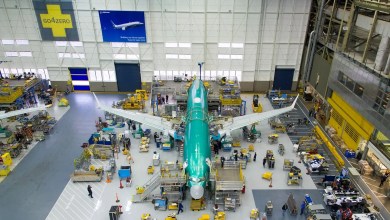

As the global supply chain prepares to grapple with new and impending U.S. tariffs, one analyst is reviewing the implications for how increased costs will affect aircraft manufacturing—and what particular parts might be most impacted.
New tariffs pose a significant challenge for U.S. refiners, who are already grappling with declining profit margins.
Even cars assembled in the U.S. are not exempt from tariff shocks, as components from Mexico and Canada account for roughly 10% of the value of U.S.-built cars, with an additional 5% to 6% coming from Chinese inputs.
Mexico and Canada have announced agreements with President Donald Trump to delay tariffs on imports of goods from those countries for one month.
Businesses are heading into 2025 with lean inventories and high demand from consumers.
Consumers’ growing pessimism could trigger a pullback in discretionary purchases, directly weighing on trucking demand.
Despite encouraging signs, the U.S. manufacturing sector remains in the early stages of recovery.
President Trump said he was considering Feb. 1 as a start date for tariffs against Canada and Mexico, directing federal agencies to assess compliance with recent trade agreements.
Despite aggressive interest rate hikes by the Fed aimed at curbing inflation, the CPI’s decline in yearly growth has been gradual and uneven.
Bond yields are falling and GDP growth is weakening in China as exporters cut prices.
Trucking companies like less regulation, and that’s what they’ll get under a Trump administration. But executives should be careful what they wish for, experts at FreightWaves’ F3: Future of Freight Festival said.
Researchers at Trace One recently published an analysis monitoring changes in food imports over time, the amount of food imported compared to total consumption, top trading partners and top food items imported for each state.
Here are a few tips to keep in mind for fleets considering to haul a load for FEMA or any other disaster relief project
Port congestion in Southeast Asia is creating an imbalance of equipment, raising both local and global spot market pricing, according to a report by AlixPartners.
The air cargo market is enjoying an unexpected boom during the slow season, but it’s unclear whether demand is pulling from the third and fourth quarters to avoid supply chain delays or will continue to build.
Tech nonprofit Emerge Career reduces recidivism and poverty rates among convicts by providing access to vocational training and job placement support throughout incarceration and after release.
Shippers’ mood has been buoyed by positive economic prospects for the U.S., while brokers and carriers are encouraged by a possible market shift.
Trucking and logistics companies are seeing a massive downturn. FreightWaves has reported on the biggest shutdowns and layoffs since 2022.
Consumer spending is likely to decline in the coming months, adding to weak freight conditions.