Fred Smith, FedEx founder and parcel industry pioneer, dies at 80

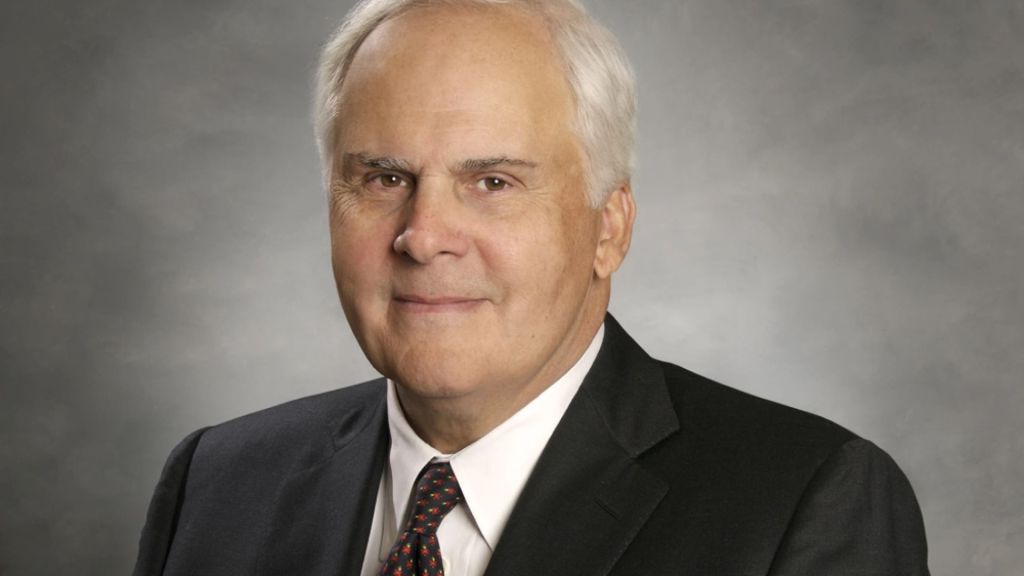
Head shot of FedEx Executive Chairman Fred Smith.

Frederick W. Smith, who founded FedEx Express Corp. fifty-four years ago and revolutionized the parcel delivery business by using aircraft for overnight delivery, died Saturday, the company said on its website. He was 80. 

“Fred was more than just the pioneer of an industry and the founder of our great company. He was the heart and soul of FedEx – its People-Service-Profit culture, values, integrity, and spirit. He was a mentor to many and a source of inspiration to all. He was also a proud father, grandfather, husband, Marine, and friend. Please keep the entire Smith family in your thoughts and prayers during this difficult time,” said CEO Raj Subramaniam in a message to FedEx employees.

FedEx has grown into an $87.7 billion enterprise with the largest air cargo fleet in the world. It not only transformed the express parcel industry, but became instrumental to the U.S. economy and international trade by transporting documents and packages. Today, it moves more than $2 trillion worth of goods annually, relying on more than 700 aircraft serving 650 airports around the world, 220,000 vehicles and about 5,000 operating facilities. It also operates an extensive U.S. ground network, the largest less-than-truckload carrier in the United States and a major supply chain division. 

“Fred Smith is still a legend. In his lifetime he built a company that is as big as UPS, which had a 70-year head start,” said Satish Jindel, a parcel industry expert and president of ShipMatrix who years ago helped FedEx acquire RPS and turn it into FedEx Ground. 

Fred Smith was born in Marks, Mississippi, in 1944. As a Yale undergraduate, Fred Smith wrote a term paper outlining a system to accommodate urgent, time-sensitive shipments such as medicine, computer parts, and electronics. He received an average grade. 

After four years of service in the Marines, including two tours of duty in Vietnam where he received the Silver Star, Bronze Star and two Purple Hearts, he purchased in 1970 the controlling interest in a Little Rock, Arkansas-based aircraft maintenance company, Ark Aviation Sales, run by his stepfather and turned its focus to trading used jets. The next year, he established the FedEx Express Corp. with his $4 million inheritance and $91 million in venture capital. 

Two years later he relocated to Memphis, Tennessee, because of its central location and lack of severe weather conditions, which helped maintain schedule reliability for the airline. 

On the first night of continuous operation, 389 Federal Express workers and 14 Dassault Falcon jets delivered 186 packages overnight to 25 U.S. cities – giving birth to the modern express industry. 

Smith developed FedEx as a freight version of a bank clearing house where one bank clearing house was located in the middle of affiliate banks and all representatives were sent to the central location to exchange materials, according to one of his biographies.

Smith had to go to great lengths to keep the company afloat in the early days. In one instance, after a crucial business loan was denied, he took the company’s last $5,000 to Las Vegas and won $27,000 gambling on blackjack to cover the company’s $24,000 fuel bill. It kept FedEx alive for one more week, according to a biography.

In 1977, FedEx purchased seven Boeing 727 aircraft, each with a cargo capacity of 40,000 pounds – almost seven times that of the Dassault Falcon. The company was publicly listed on the New York Stock Exchange in 1978 and in 1981 it moved into its global air sortation hub at Memphis International Airport.

Ten years after its launch, FedEx achieved $1 billion in revenue. In 1984, FedEx acquired Gelco Express International, a worldwide courier with service to 84 countries. It also launched operations in the Asia Pacific and regular scheduled flights to Europe. The following year it opened its European headquarters in Brussels, Belgium.

In 1989, FedEx purchased cargo airline Flying Tigers. FedEx acquired TNT Express, a major European parcel carrier, in 2016. 

In 2000, Smith made an appearance as himself in the Tom Hanks movie “Cast Away,” which was filmed on location at FedEx’s home in Memphis.

Smith was a fierce advocate for free trade in Washington, where friends included President George W. Bush and Sen. John McCain. Bush offered Smith the job of defense secretary for his second term, but Smith declined to spend time with his terminally ill daughter. Smith met with President Donald Trump at the White House earlier this year. 

Smith is a member of the Aviation Hall of Fame and the Business Hall of Fame. In 2014, Fortune Magazine named him among the world’s 50 greatest leaders. 

Click here for more FreightWaves/American Shipper stories by Eric Kulisch.

Amazon taps FedEx for big-and-bulky residential deliveries

Lawmaker blames FedEx pressure, Trump bungling for de minimis U-turn
Carrier revocations overachievement illustrates increasing market vulnerability

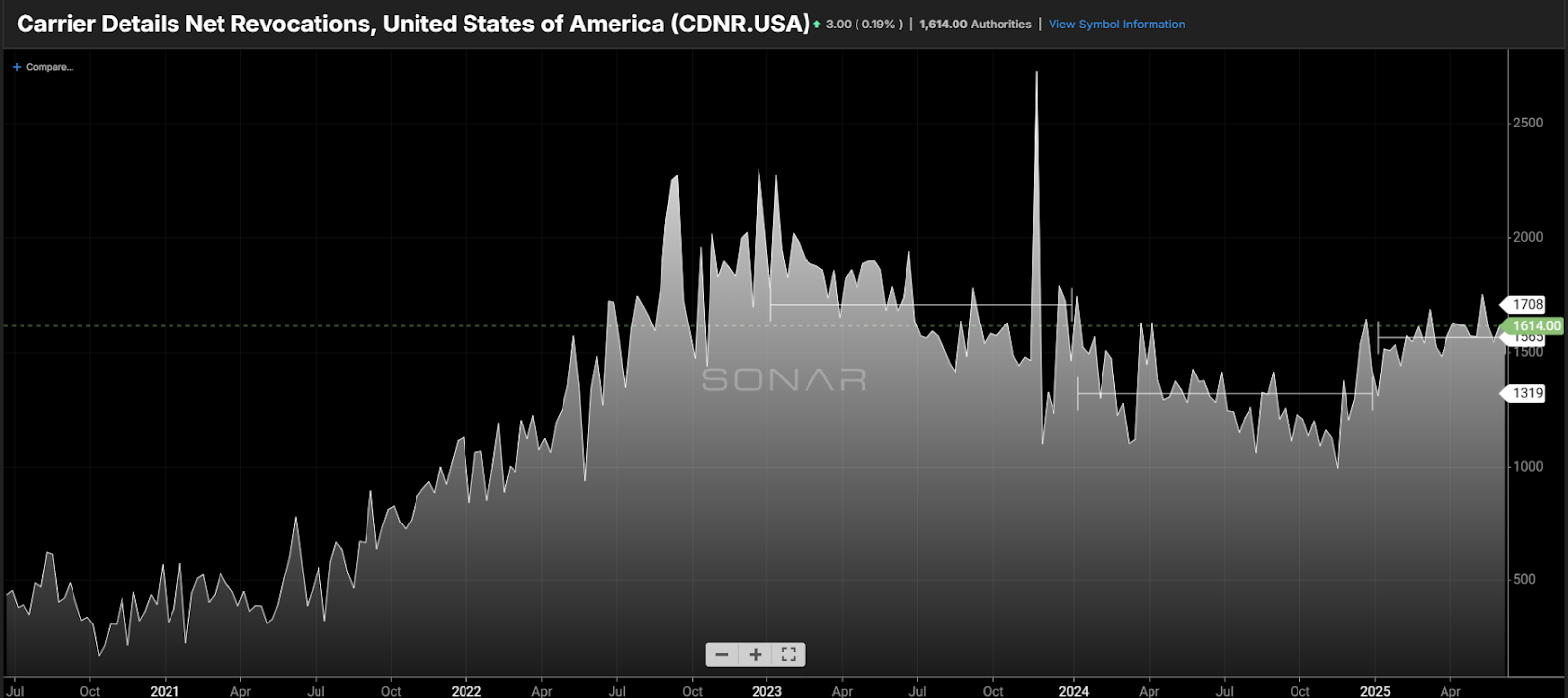
Chart of the Week:  Carrier Details Net Revocations – USA SONARCDNR.USA

Carrier Net Revocations—which measure how many truckload operators (businesses) are exiting the industry—have remained unseasonably elevated throughout the first half of the year. The current pace of exits is 16% higher than during the same period in 2024. Although new authority issuances have increased this year, they’ve stumbled in recent weeks as new enforcement behaviors and processes may be creating additional barriers to entry.

The U.S. truckload market remains a challenging landscape for many carriers and 3PLs, with demand still too low to support stable business operations. While there has been marginal improvement over the past several years, it hasn’t been enough to push rates high enough to support the current level of capacity. Many structural issues persist, raising the risk of capacity falling to critically low levels.

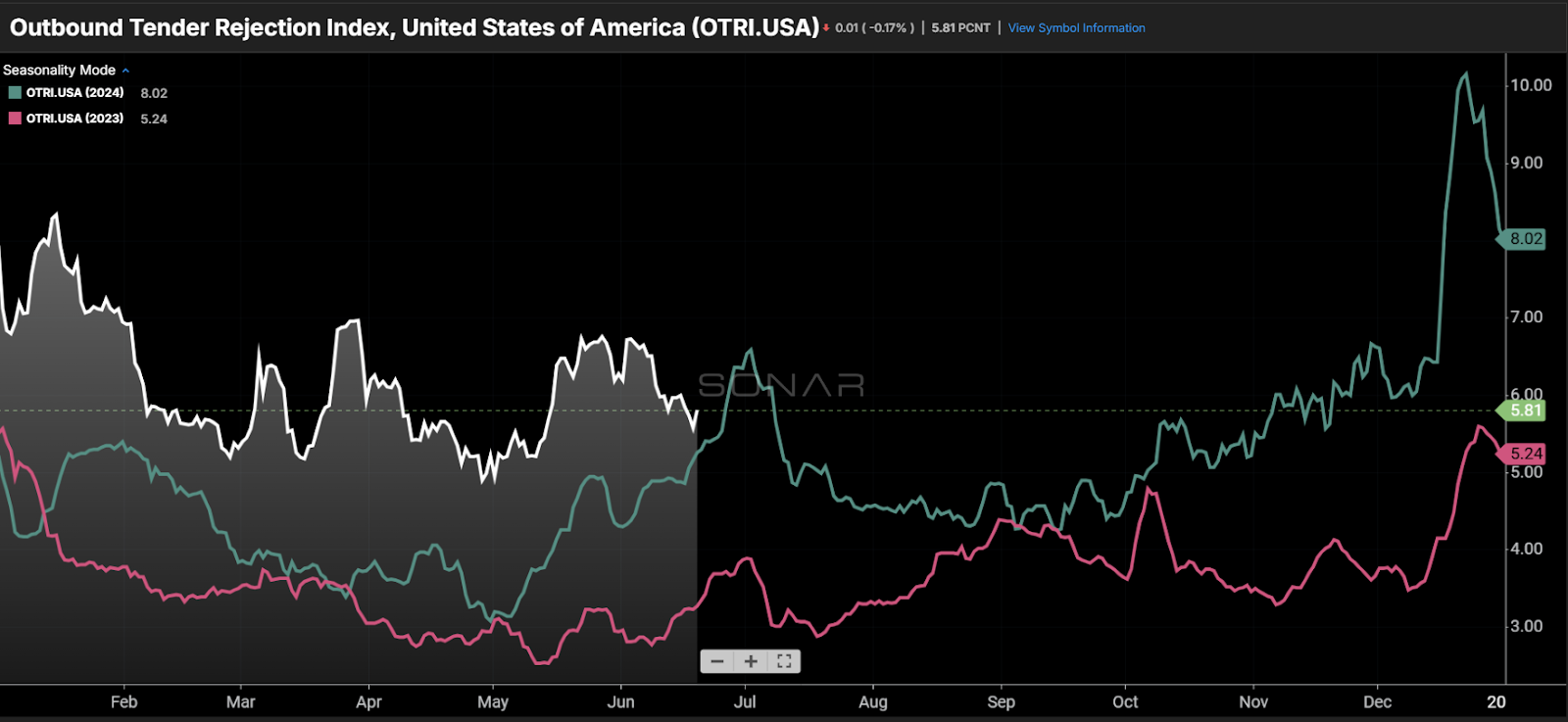
Tender rejection rates (OTRI) — which measure how often carriers decline shipper requests for capacity — have been steadily rising since May 2023. This trend indicates declining carrier availability. In weaker markets, carriers are generally more willing to accept freight, so rising rejection rates in a down market carry more weight.

Lack of profitability

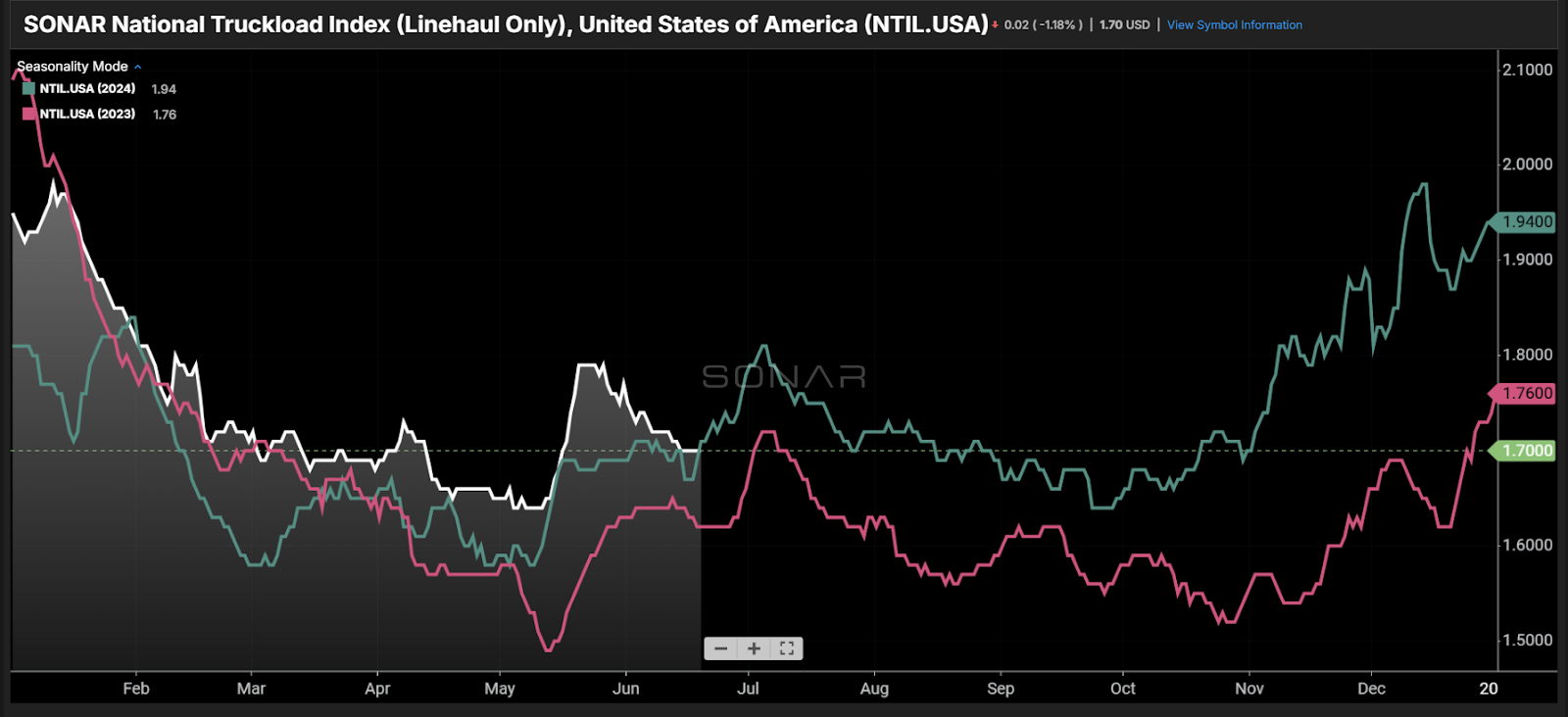
Spot rates (NTIL), traditionally used to gauge truckload market health, have followed a similar upward trajectory. However, rates can be a noisy metric, as fluctuations in haul lengths and inflationary cost inputs can distort the picture. While spot rates are flat year-over-year, operating costs have risen—making profitability more elusive. Diesel prices have declined, offering a rare relief. (Note: fuel costs are excluded from the charted rate index.)

New barriers

In May, the president issued new guidance on enforcing english language proficiency at a state level for drivers. While the specifics of enforcement remain unclear, the move could create additional hurdles for new entrants.

Additionally, efforts to crack down on CDL fraud have intensified, with stricter vetting processes further raising the bar for prospective drivers.

Lack of demand

Tender volumes (OTVI) are down approximately 10–15% compared to this time last year. While much of this decline stems from mode shift—particularly in long-haul freight moving to intermodal—recent trends suggest that overall demand may also be softening.

Beyond the obvious issue of lower demand undermining core business, inconsistent volume makes it harder for carriers to maintain balanced networks, often requiring months to realign.

Matter of time

All these factors point to growing systemic risk in the trucking industry as capacity continues to exit the market. Historically, every major market flip has had a catalyst, but each was preceded by recession-like conditions within the freight space.

The 2017 market boom followed a year and a half of softness. The pandemic surge came after a deep freight recession in 2019. Today’s downturn is one of the longest and most severe on record. The market may have flipped already if not for supply chain lessons learned during COVID and the broader economic uncertainty.

Market inflections are inherently difficult to predict, but the sustained pace of carrier revocations signals that supply is rapidly converging with demand.

About the Chart of the Week

The FreightWaves Chart of the Week is a chart selection from SONAR that provides an interesting data point to describe the state of the freight markets. A chart is chosen from thousands of potential charts on SONAR to help participants visualize the freight market in real time. Each week a Market Expert will post a chart, along with commentary, live on the front page. After that, the Chart of the Week will be archived on FreightWaves.com for future reference.

SONAR aggregates data from hundreds of sources, presenting the data in charts and maps and providing commentary on what freight market experts want to know about the industry in real time.

The FreightWaves data science and product teams are releasing new datasets each week and enhancing the client experience.

To request a SONAR demo, click here.

SCOTUS decision on California Clean Cars waiver could have benefit to trucking later

The battle over California’s ability to craft its own environmental regulations through the pathway of waivers from the Environmental Protection Agency was the background of an issue the Supreme Court ruled on Friday, but the high court’s ruling was more procedural than substantive on regulatory lawmaking.

However, the heart of the decision involving the ability of an outside company to have standing in a legal battle over a government regulatory action may ultimately benefit the trucking industry.

The Supreme Court overruled a case from the District of Columbia Circuit Court that had tossed out a challenge to the waiver granted to California by the Environmental Protectoin Agency (EPA) so it could implement Clean Cars 1. Clean Cars 1 was the first set of regulations promulgated by the California Air Resources Board to put the state on a path to a cleaner fleet. It was followed by Clean Cars 2, whose future is in doubt following Congressional action to revoke the waivers granted for it, the Advanced Clean Trucks rule and the Omnibus nitrogen oxide (NoX) rule. 

Clean Cars 1 only ran through the 2025 model year and required a certain percentage of ZEVs in the fleets sold into California, at a less stringent requirement than the now-hobbled Clean Cars 2. 

But the rule also required reductions in greenhouse gas emissions, which would outlast the 2025 model year. 

Volatile history for the waiver

The EPA waiver that permitted Clean Cars 1 had a back and forth history. The Obama administration approved it in 2013; the first Trump administration killed it in 2019. The Biden administration put it back in place in 2022. 

It was that latter action that Diamond Alternative Energy, a renewable liquid fuels producer that is a subsidiary of giant refinery Valero Energy (NYSE: VLO), challenged in the D.C. Circuit Court. There were numerous other plaintiffs, including the American Fuels and Petrochemical Manufacturers, the trade group for the nation’s petroleum and petrochemical refiners.

That lower court agreed with the argument put forth by California that Diamond Alternative did not have standing in the case. 

Diamond’s argument, according to the Supreme Court opinion’s summary of the case’s history, was that “the regulations did not target a local California air-quality problem–as they say is required by the Clean Air Act–but instead were designed to address global climate change.” 

It also argued that a regulation designed to move automobile transportation away from liquid fuel-powered internal combustion engines and toward a zero emission vehicle fleet would damage its business.

The court’s decision, written by Justice Brett Kavanaugh, did not rule on that question of the EPA’s action in granting the waiver. It focused solely on whether Diamond Offshore could bring the suit.

California’s counter-argument was that evidence of a trend toward ZEVs was ongoing regardless of the Clean Cars 1 rule and that any damage to demand was largely baked into the market because of that trend.

The 7-2 vote on the court sided with Diamond Alternative that it was an affected party by the California rule. “EPA’s approval authorized California and 17 other states to enforce regulations requiring lower emissions and vehicle electrification, thereby reducing liquid fuel purchases,” the decision said. “The regulations likely cause the fuel producers’ monetary injuries because reducing gasoline and diesel fuel consumption is the whole point of the regulations.”

Where it might matter later

Although the litigation involves cars and not trucks, Prasad Sharma, a partner in the Washington office of the trucking-focused Scopelitis law firm, said he believed the court’s decision could impact battles that trucking groups might take on against regulations that affect their industry.

Although the actions by Congress and President Trump to override the trio of the waivers granted to California on its surface seem to end the issue, the administration of Gov. Gavin Newsom is challenging the action in court. 

And if the question comes back, Sharma said the judges’ decision Friday could ultimately be a big win. 

“Trucking companies themselves may not be viewed as directly regulated by the regulation,” he said. “What I think the Supreme Court’s decision here kind of clarifies, is, look, if there are common sense implications or effects on downstream participants in the market that are common sense and predictable, then they have standing to challenge the regulation.”

The decision by the Supreme Court kicks the case back to the D.C. Circuit Court. 

More articles by John Kingston

DAT and OTR, embroiled in dispute over factoring, reach settlement and end battle

Onstage in Chicago, CHRW talks tech and staffing; RXO sees language order hitting capacity

Logistics GDP share rose in ’24, not likely to drop: CSCMP report

When to Say No to a Load and Why It Matters

If you’re still saying yes to every load just to “keep the wheels turning,” you’re not running a business—you’re gambling with your profit and praying it works out. The hustle mindset might have gotten you your first truck, but it won’t keep you in the game. The carriers who last know that saying no is just as powerful as saying yes. In fact, it’s how you keep control.

This industry rewards the disciplined. Not desperate. And if you don’t know how to walk away from a bad load, you’ll spend your weeks booked solid and still end up in the red.

The Real Cost of Taking a “Bad” Load

Let’s get this straight: a bad load isn’t just “one bad trip.” It creates a domino effect that can wreck your week.

Here’s what it really costs you:

  • Deadhead to nowhere — You take a low-paying load into a weak market, now your reload is garbage
  • Time lost — That 400-mile run took all day, paid nothing, and now your hours are wasted
  • Wear and tear — Every load puts stress on your truck, so if it doesn’t pay right, it’s a liability
  • Opportunity cost — While you were tied up on that $2.00/mile loser, a $2.75/mile power-only drop-and-hook passed you by

One bad decision on Monday can kill your entire week by Friday. That’s why smart carriers protect their time and their trucks.

How to Know When to Say No

Saying no starts with having a real plan—not just booking whatever looks decent on the load board. Here’s your playbook:

1. It Pays Below Your Floor – You need to know your breakeven per lane. If your floor is $2.35/mile all-in and the broker offers $2.10, that’s not a negotiation—it’s a no. Don’t move a truck to lose money.

2. The Reload Is Trash – Always look at the next market before accepting the current load. That $2.60/mile to Denver might look nice—until you’re stuck there hauling freight for $1.15/mile with 150 miles of deadhead. One step forward, two steps back.

3. The Pickup or Delivery Is a Known Problem – Late detention pay, four-hour load times, rude staff, poor access—you’ve got the notes. Trust your history. If it cost you time before, it’ll cost you again. Don’t chase the rate. Chase efficiency.

4. It Doesn’t Fit Your Business Model – You run a dry van. The broker wants you to haul a 43,000-pound floor load with 4 stops and no liftgate. That’s not your lane. Say no. Stay in your lane and protect your reputation.

5. It’s Emotionally Driven – You’ve had a slow week. Your driver’s frustrated. The broker sounds nice. None of those are reasons to move a truck. If the numbers don’t work, don’t let your emotions drive the wheel.

Scripts That Keep It Professional

You don’t have to be rude to say no. But you do need to be direct. Here’s how to push back:

  • “That rate doesn’t meet our minimum on that lane. We’d need to be at $2.75 all-in to consider.”
  • “We’ve had service issues at that receiver before. We’ll pass on this one.”
  • “We’re not hauling multi-stop freight with those dimensions on a van. That’s not a fit.”
  • “That market doesn’t align with our weekly network. We’re going to stay east this week.”

Say it clearly. Say it once. Move on.

Build Your Week So You Can Say No

Here’s the truth: if you’re desperate for every load, it means you don’t have a plan. Build your week in reverse. Start with your best paying outbound lane. Then plan the reload. Then fill the gap.

Run your business like this:

  • Plan by profit, not miles
  • Stay in your power lanes
  • Leave room in your schedule for margin, not mayhem
  • Book loads that set up the next three moves, not just the next 300 miles

Once your calendar is built with intention, you’ll stop chasing and start choosing.

What Happens When You Start Saying No

The carriers who say no aren’t being difficult—they’re being strategic. And guess what? Brokers notice. The ones who always say yes get used. The ones who push back get respected.

When you start saying no:

  • Your profit per mile improves
  • Your stress drops
  • You stop wasting time on garbage freight
  • You attract better loads, not more loads
  • You build a reputation as a carrier who knows their value

Saying no is a signal. It tells everyone you run a real business—not just a truck.

Final Word

Every load you accept shapes your week. Your miles. Your maintenance. Your money. If you keep saying yes to every broker just to stay busy, you’ll be busy going broke. The winners in this industry don’t say yes to everything. They say yes to what fits. What pays? What sets up the next move.

You’ve got to protect your truck like it’s a business. Because it is. And saying no is how you prove it.

Running on Ice: Europe’s Cold Storage Sector Is Heating Up

OC&C Strategy Consultants has released a new report titled Unlocking Growth in the European Cold Storage Market: Four Strategic Trends Shaping the Future. They identified the four big trends that are coming through the cold chain industry as follows:

Sustained Market Growth Driven by Structural Tailwinds

According to OC&C, demand for outsourced cold storage is projected to grow 5–6% per year, fueled by rising frozen food consumption, producers outsourcing logistics, and regional supply chain shifts. Eastern Europe and Iberia are especially ripe for growth, outpacing more mature markets like Germany and Austria. “Europe’s cold chain is at an inflection point,” says the OC&C team. “What was once a fragmented, low-tech sector is becoming increasingly strategic and tech-enabled.”

Consolidation: Continued Opportunity Despite Maturity

40% of market capacity still lies with independent operators, suggesting ample headroom for further consolidation in European cold storage markets. The share of independent operators in the market is even higher in Southern, Central, and Eastern Europe. The independent operators portion of the market will continue to fuel M&A activity in the space as larger companies move to buy the capacity needed, instead of building it. 

Professionalisation of Customer Needs and Service Standards

Cold storage customers are demanding more than just a place to park frozen pallets. As supply chains become more complex, expectations are rising: real-time visibility, ESG transparency, and tailored, regionalized service are quickly becoming the new norm.

Operators that can’t offer flexible, tech-enabled service risk being left behind. “Success today is less about square footage and more about operational agility,” OC&C explains.

Automation: A Growing but Selective Enabler

Automated High-Bay (AHB) warehouses are gaining traction, especially where high volume and standardization make them feasible. These facilities promise efficiency and help address rising labor costs, but the report cautions against assuming one-size-fits-all.

“Automation is an enabler, not a universal solution,” OC&C points out. “Fresh produce, for example, is still better suited to conventional sites.”

The combination of these trends, growth, consolidation, higher expectations, and automation, makes this a critical moment for the cold chain. With inflationary pressure, regulatory shifts, and evolving food and pharma demands, strategic investment in the cold storage sector isn’t just timely, it may be essential.

The full report can be found here

Subscribe to get the full newsletter in your inbox every Friday.

GXO Logistics taps new CEO, clears acquisition of Wincanton

GXO Logistics Inc. recently announced two significant developments focused on shaping its future growth trajectory. 

The company has appointed a new chief executive officer and received clearance from the United Kingdom Competition and Markets Authority (CMA) for its acquisition of Wincanton.

Patrick Kelleher was named CEO on Friday. He will begin his tenure on Aug. 19 and will be based at the company’s Greenwich, Connecticut.

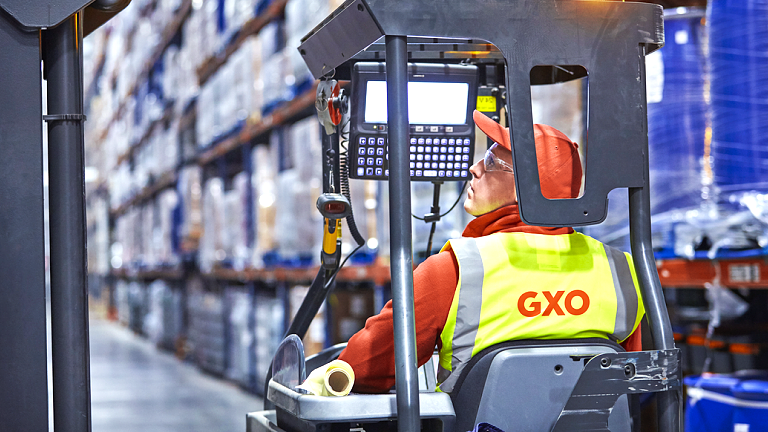
GXO Logistics (NYSE: GXO) is one of the largest pure-play contract logistics providers in the world. It has more than 150,000 team members across more than 1,000 facilities totaling more than 200 million square feet.

“Patrick is a world-class operator with the relevant experience to lead GXO through its next phase of growth,” Brad Jacobs, chairman of GXO’s board of directors, said in a news release

Patrick Kelleher

Kelleher will bring 33 years of global supply chain experience to GXO, having held senior executive roles at DHL Supply Chain. Most recently, he served as CEO for North America at DHL.

GXO Logistics also announced that the CMA has cleared the company’s acquisition of Wincanton. The approval comes with specific conditions, requiring the divestment of a small number of Wincanton grocery contracts in the UK, according to a news release.

GXO is acquiring Wincanton for about $1 billion. Wincanton is a major logistics and supply chain operator in the U.K. and Ireland.

GXO and Wincanton’s integration is expected to begin in the third quarter. The company also updated its full-year 2025 guidance:

  • Organic revenue growth of 3.5% to 6.5% (up from 3% to 6%)
  • Adjusted earnings before interest, taxes, depreciation, and amortization of $860 million to $880 million (up from $840 million to $860 million)
  • Adjusted earnings per share of of $2.43 to $2.63 (up from $2.40 to $2.60)

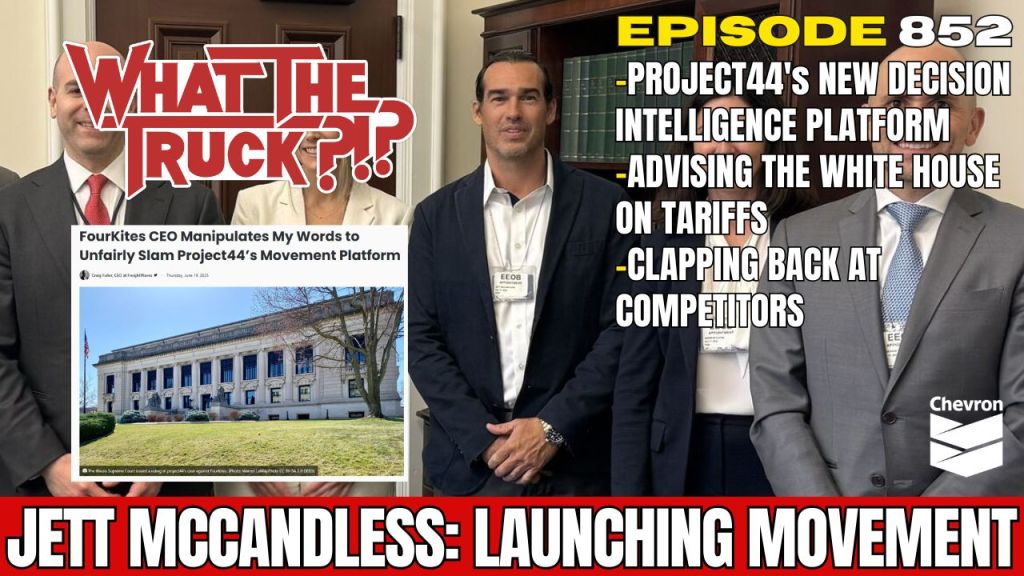
Jett McCandless: Launching Movement; advising The White House; and clapping back | WHAT THE TRUCK?!?

On episode 852 of WHAT THE TRUCK?!? Dooner talks with project44 founder and CEO Jett McCandless about their new decision intelligence platform, Movement.

Movement represents a fundamental shift in supply chain management philosophy, moving “beyond mere ‘features’ or ‘visibility’ to focus on execution, outcomes, and transformation,” said project44 CEO Jett McCandless. 

We’ll explore how it works, why it’s a game-changer, and why it has project44’s competitors on edge.

McCandless and the project44 team recently returned from the White House, where they advised on tariffs. We’ll find out why they were there.

Plus, a Will Rogers Turnpike wreck, Texas Trucker in recovery mode, and more.

Chapters

1:15 Texas Trucker update

4:01 Will Rogers Turnpike crash

5:40 Launching Movement | Jett McCandless

28:10 Clapping back | Jett McCandless

33:12 Advising The White House on tariffs | Jett McCandless

36:57 A look ahead | Jett McCandless

Catch new shows live at noon EDT Mondays, Wednesdays and Fridays on FreightWaves LinkedIn, Facebook, X or YouTube, or on demand by looking up WHAT THE TRUCK?!? on your favorite podcast player and at 6 p.m. Eastern on SiriusXM’s Road Dog Trucking Channel 146.

Jayme’s GoFundMe

Watch on YouTube

Check out the WTT merch store

Visit our sponsor

Subscribe to the WTT newsletter

Apple Podcasts

Spotify

More FreightWaves Podcasts

Group of seven that targeted thefts from trucks indicted in California

Indictments were handed down by a California grand jury last week against a gang of accused thieves who targeted trucks delivering everything from jewelry to electronics over several months in 2022.

The jewelry heist was worth more than $100 million, according to the indictment. In announcing the indictment, the U.S. Attorney’s office for the Central District of California described it as likely “the largest jewelry heist in U.S. history.” It added that some of the jewelry was recovered after a June 16 search.

There are seven defendants in total in the indictment by a grand jury sitting in the U.S. District Court for the Central District of California. All seven were charged with two counts of conspiracy to commit theft from interstate and foreign shipment and theft from interstate and foreign shipment, according to the U.S. Attorney’s office.

The other charges involve various counts of conspiracy. 

The indictment puts the date of the thefts from early March 2022 to mid-July of the same year. In discussing the actions that resulted in the charges, the indictments refer to “persons known and unknown,” suggesting other indictments might be possible.

In a trucking market where freight fraud has become a major issue, but involving trickery and deceit in the logistics of booking a shipment and seeing it through to a possibly false consignee, the methods employed by the indicted persons in their alleged fraud were far more direct, according to the indictment. And it is likely to put fear into truck drivers, though such thoughts are always omnipresent on the road. 

The seven “would use multiple vehicles to follow victim truck drivers carrying interstate and foreign shipments of jewelry, Samsung and Apple electronics, and other merchandise to a stopping point, including truck stops, where they could rob, steal, unlawfully take, and unlawfully carry away the merchandise from the victims,” according to the indictment.

Some of the gang of seven would serve as lookouts while their co-conspirators would break into the trucks they followed, according to the indictment. 

But the theft would not always take place while the driver was in the truck stop or some other place, the indictment said. At times it involved “force and threat of force in the victims’ presence,” the indictment said.

While the indictment refers to “semis” as some of the trucks the group targeted, it is a box truck that draws the most explicit description of a direct threat to a driver.

‘Will F you up’

In March 2022, according to the indictment, the group followed a box truck carrying Apple AirTags that was headed to a warehouse in Fontana, California. 

The driver stopped for food. The group went to work on stealing the Apple AirTags. But when the driver returned to the truck and found the ongoing robbery, one conspirators yelled at him “Don’t move, or I will f____ you up!” The indictment said the person who yelled that also was holding a knife.

The group got away with the AirTags, worth $57,377, according to the indictment.

The biggest heist among those spelled out in the indictment was the $100 million-plus theft of jewelry.

According to the indictment, the planning for the jewelry heist began in July 2022 by surveilling a jewelry exhibition in San Mateo, California.

The indictment spells out that the show was scouted for several days prior to the theft. When a Brinks truck described as a semitruck left the show, the defendants who had been watching the exhibition sprung into action. They followed the truck for about 300 miles to truck stops in Buttonwillow and Lebec, both in California, where the conspirators snatched the jewelry. 

24 bags, 100 million bucks

There is nothing in the indictment about any sort of confrontation between the drivers and the alleged thieves over the jewelry theft. The 24 bags of loot the co-conspirators took were valued at more than $100 million, according to the indictment. 

Among the other successful robberies spelled out in the indictment were two thefts of Samsung Electronics: a theft worth just over $14,000 in May 2025 from a semitruck at a Fontana truck stop and a much larger theft worth $240,573. That one came when the truck driver was stopped at a store in Ontario, California.

The seven indicted individuals charged in the indictment are Carlos Victor Mestanza Cercado, Jazael Padilla Resto (who goes by three other names as well), Pablo Raul Lugo Larroig, who also goes by Walter Loza, Victor Hugo Valencia Solorzano, Jorge Enrique Alban, Jeson Nelon Presilla Flores and Eduardo Macias Ibarra. 

According to an Associated Press report on the indictment, two of the seven who were indicted were arrested. A third was already in prison in Arizona. But as of Tuesday, the others had not been arrested. 

The U.S. Attorney’s prepared statement on the indictments did not disclose any information on the whereabouts of the seven besides the co-conspirator in jail in Arizona. 

More articles by John Kingston

DAT and OTR, embroiled in dispute over factoring, reach settlement and end battle

Onstage in Chicago, CHRW talks tech and staffing; RXO sees language order hitting capacity

Logistics GDP share rose in ’24, not likely to drop: CSCMP report

Strategic cargo theft is a rapidly growing concern

Scott Cornell, Vice President of Transportation at Travelers Insurance, sat down with FreightWaves’ Timothy Dooner on the May 19th episode of What the Truck?!? to discuss the evolving landscape of cargo theft that continues to plague the freight industry.

While straight theft (the physical taking of trucks, trailers, or cargo from where they’re parked) remains the most common form of cargo theft, criminal tactics have shifted in the last few years. “Strategic theft,” which involves deception and trickery to gain possession of freight, has skyrocketed by 1,475% between Q1 2022 and Q4 2024, according to CargoNet data.1

“Strategic theft went from roughly 3 percent of all theft to about 33 percent in that two-year period,”2 Cornell said. This dramatic increase has created significant confusion and challenges across the industry.

One of the most notable developments is how cargo theft has gone international. Cornell pointed out that organized rings now operate from multiple countries, targeting freight anywhere in the world through internet-based schemes.

“Somewhere between 2020 and 2022, cargo theft, specifically and more frequently strategic theft, went global,”1 Cornell said. “Now you can basically be anywhere and target freight anywhere because you’re doing it over the internet, over your computer, over your phone, using these deceptive methods.”

The most prevalent strategy, Cornell says, begins with identity theft. Criminals steal a trucking company’s identity and bid on loads. If they pass the broker’s vetting process, they pivot to impersonating a freight broker and hire legitimate trucking companies to move the freight.

“That legitimate trucking company has no idea that they’re being involved,” Cornell explained. The thieves then redirect the cargo to alternate locations, often cross-docks, where they begin laundering the freight by changing documentation and descriptions as it moves through multiple facilities.

Less common, but potentially more devastating, cluster theft involves criminals establishing seemingly legitimate trucking operations by purchasing MC numbers. They build trust by hauling loads legitimately while gathering intelligence about procedures, routes, and volumes.

“Criminals can be very patient, and they’re really good at return on investment,” Cornell said. “They’ll haul for you for a period of time in order to gain intel.”

Eventually, they begin “shorting” loads, a process that involves removing most of the cargo but altering paperwork to show smaller shipments with matching seal numbers. This can continue for months before being discovered, resulting in massive losses across dozens or even hundreds of loads.

New technology, particularly AI, is creating new opportunities for theft. Cornell says that while AI will likely be used by criminals, it will also be deployed defensively, creating an AI versus AI security landscape.

However, human intervention remains essential. “I don’t think you can ever eliminate the human part of it,” Cornell said. 

In one example, someone relayed a story to Cornell in which a criminal was pretending to be based in Memphis and using AI to spoof a freight load. 

“The human on the other end of the line says, ‘what’s your favorite barbecue place in Memphis?’ The scammer couldn’t answer. That sounds like a small thing, but that human element is what gave the scam away,” Cornell said. 

All industry stakeholders have to remain vigilant in protecting information and verifying transactions, because innocent parties can be unwittingly used in all kinds of schemes. For truck drivers specifically, Cornell says, it’s important to remember that drivers are liable for cargo accepted in good condition. “If the cargo doesn’t make it to delivery, you can be on the hook for the loss,” he said.

There are several crucial protective measures, according to Cornell: carefully review shipping documentation for discrepancies, stay alert to red flags in communications and procedures, and secure appropriate cargo insurance policies.

“Vigilance and timely communication are critical to prevent these kinds of crimes, and the right policy is vital to protect your business from potential loss,” Cornell said.

The transportation industry remains a prime target for increasingly sophisticated theft operations. By understanding these evolving tactics and implementing appropriate safeguards, shippers, carriers, and brokers can better protect themselves against costly and disruptive crimes.

“You might think you have your physical operation down, and you might think you have your warehouse locked down,” Cornell said. “It doesn’t matter. Criminals are focusing on strategic theft. They’re pulling loads off your board and they’re spoofing identities, so they’re going to go right through your system. Be smart. Get the right protections in place and use that human and that digital element.”

Click here to learn more about Travelers Insurance.

1 2024 First Quarter Supply Chain Risk Trends Analysis

2 Verisk – CargoNet Report: Strategic Theft January 2025

Senate bill demands English tests for truckers

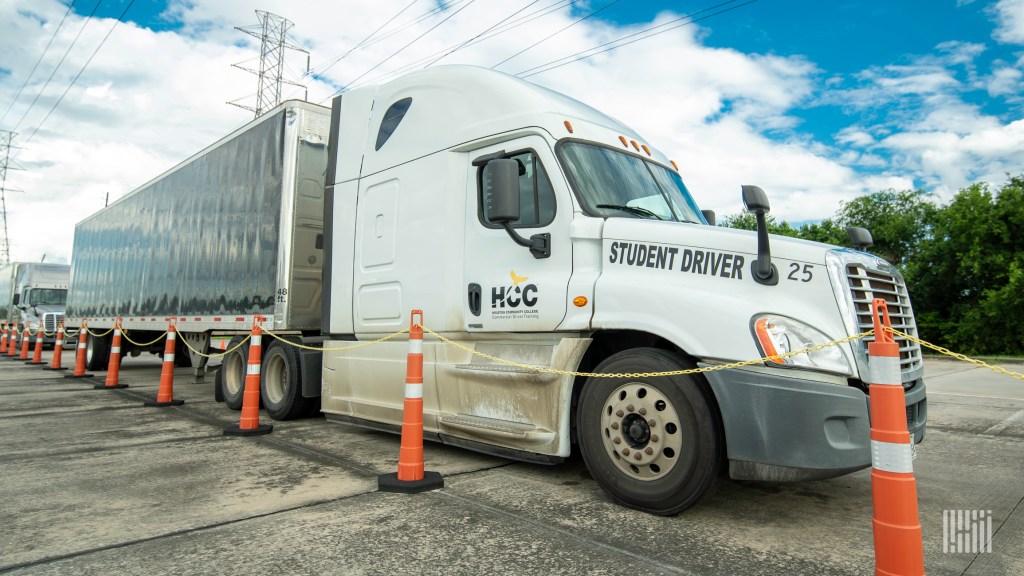
Truck at truck driving school

WASHINGTON — New legislation in the Senate further tightens recent federal English proficiency mandates for truckers by requiring drivers to test their reading and speaking skills before being issued a CDL.

The Commercial Motor Vehicle English Proficiency Act, introduced on Wednesday by U.S. Sen. Roger Marshall, R-Kansas, would require all those applying to operate a commercial truck be tested on “their ability to read and understand traffic signs, communicate in English with law enforcement, and provide and receive feedback and directions in English,” according to press release issued with the bill.

The bill also prohibits the proficiency tests from being administered in languages other than English.

“Common sense would tell us that anyone driving on American roads, especially those operating large trucks and trailers, should be capable of understanding what the road signs say or how to communicate with police,” Marshall stated in press release.

“Kansans deserve to know that commercial operators are held to the highest safety standards. I am proud to introduce legislation that ensures those driving the largest vehicles on the road can understand the official language of America: English.”

U.S. Sens. John Barrasso, R-Wyo., and Cindy Hyde-Smith, R-Miss., are also sponsoring the bill.

“English proficiency for commercial truck drivers isn’t just practical, it can be a matter of life and death,” Hyde-Smith said. “The unwillingness of previous administrations to enforce this commonsense regulation undermines roadway safety and puts all drivers at risk. I’m proud to work with Senator Marshall to restore this critical safety standard.”

The legislation builds on an executive order by President Trump in April that replaced guidance issued during the Obama administration with a new policy requiring that truckers who violate English proficiency regulations be placed out of service.

Trump’s executive order was followed in May by an order signed by Transportation Secretary Sean Duffy issuing formal English proficiency guidelines for the Federal Motor Carrier Safety Administration. Lawmakers want to codify the new policy into law.

Click for more FreightWaves articles by John Gallagher.